At about 7 am in Kathmandu, the tourist buses for Pokhara pull out of Sorhakhutte, a short walk from Thamel. Most of a day later their passengers step off in Pokhara, the lake city about 200 km to the west. That one road day explains most of what goes right, or wrong, when people plan Nepal.
A good Nepal itinerary starts with the number of days you have. Three days suits the Kathmandu Valley, four to five adds Pokhara, and six to eight fits the core loop of Kathmandu, Chitwan and Pokhara. From ten days you can add a short trek to the loop, and with fourteen, Lumbini or Bandipur too. Our guide to Nepal tourist places covers every stop.
In this guide
- How many days do you need for Nepal?
- Nepal itinerary for 3 days
- Nepal itinerary for 4 to 5 days
- Nepal itinerary for 6 to 8 days
- Nepal itinerary for 10 days
- Nepal itinerary for 14 days
- Nepal itinerary from India
- Getting around: road, flights and buffer days
- When to go
Key facts
- Kathmandu to Pokhara
- Most of a day by road, often six to nine hours with traffic and roadworks; about 30 minutes by air (Our trip pages (road) and Buddha Air (air), checked 17 Nov 2026)
- Kathmandu to Sauraha (Chitwan)
- Usually five to seven hours by car; flight to Bharatpur about 20 to 25 minutes (Our trip pages, Buddha Air and NTB, checked 17 Nov 2026)
- Pokhara to Sauraha
- A road day of several hours, usually four to six (The Longest Way Home, checked 17 Nov 2026)
- Chitwan National Park
- NPR 2,000 foreign visitors, NPR 1,000 SAARC, a permit for each day in the park (NTB, checked 17 Nov 2026)
- Visa (information only)
- Visa on arrival: 15 days USD 30, 30 days USD 50, 90 days USD 125; Indian nationals need no visa (NTB, checked 17 Nov 2026)
- Prithvi Highway
- Repeated landslides at Ghoptebhir near Mugling since early November 2026; latest report found: one-way after a landslide on 15 Nov 2026 (Lokaantar and Kathmandu Post, checked 17 Nov 2026)
How many days do you need for Nepal?
For a first trip, we suggest seven to ten days to see Kathmandu, Pokhara and Chitwan without rushing. Three days covers the Kathmandu Valley alone. Every extra stop costs most of a day by road, so add places only as fast as you add days. This is how we sketch a Nepal trip itinerary from someone's dates.
| Days | What fits | Pace |
|---|---|---|
| 3 | Kathmandu Valley and a night at Nagarkot, or Pokhara by air | Easy, no long drives |
| 4 to 5 | Kathmandu plus Pokhara, or a fast road loop through Chitwan and Pokhara | Comfortable if you fly one leg |
| 6 to 8 | Kathmandu, Chitwan and Pokhara, or Kathmandu plus the Ghorepani Poon Hill trek | The classic first trip |
| 10 | The loop plus a three-day walk to Poon Hill from Pokhara | Active, one buffer day |
| 14 | The loop, a short trek, Bandipur and Lumbini | Unhurried, room for weather |
Nepal itinerary for 3 days
With three days, stay in the Kathmandu Valley. UNESCO lists it as seven Monument Zones: the Durbar Squares of Kathmandu, Patan and Bhaktapur, and the shrines of Swayambhu, Boudhanath, Pashupati and Changu Narayan. They suit a three-day trip because they sit close together, so you spend your time looking, not driving.
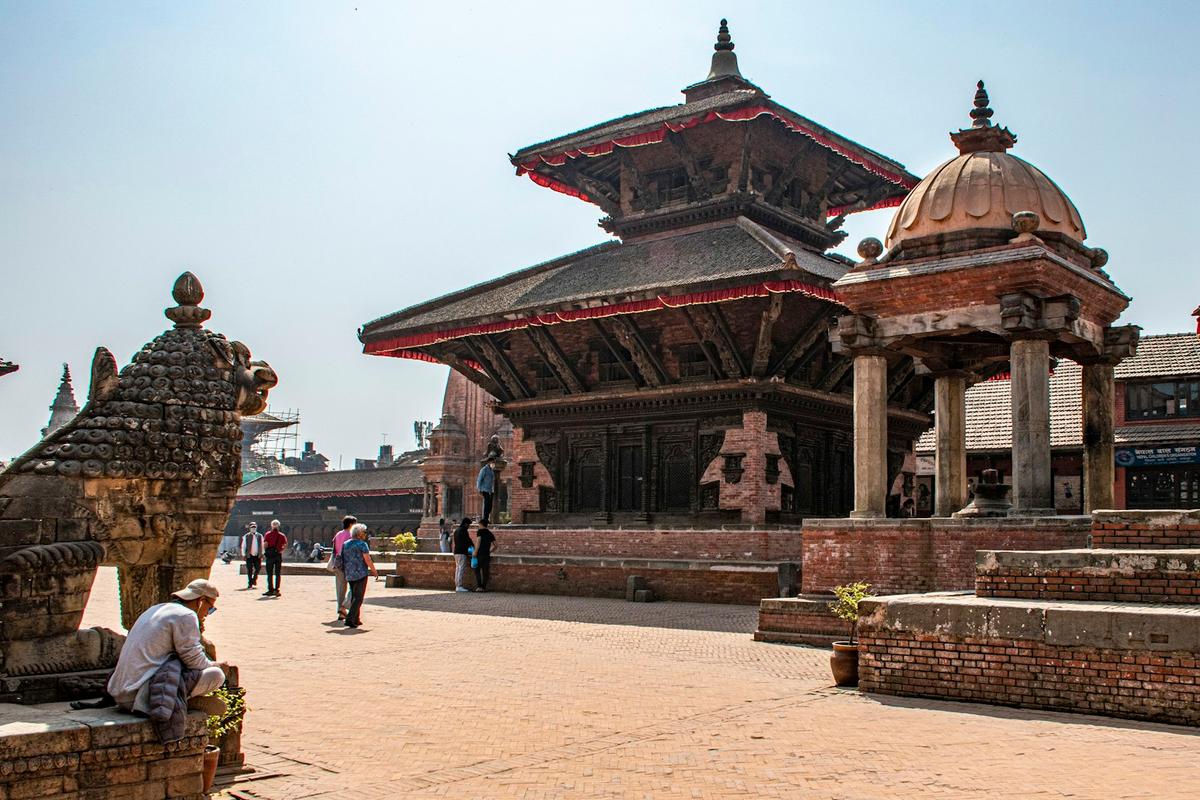
- Day 1, Kathmandu. Swayambhunath (NPR 200 for foreign visitors) and Kathmandu Durbar Square (NPR 1,000, or NPR 500 for SAARC and BIMSTEC nationals) in the morning. In the afternoon, Pashupatinath (NPR 1,000, free for Indian and Nepali nationals), then Boudhanath (NPR 400) at dusk.
- Day 2, Patan, Bhaktapur and Nagarkot. Patan Durbar Square and its museum share one ticket (NPR 1,000). Bhaktapur, 12 km east of Kathmandu, charges its own city entry fee, reported at NPR 2,000 for most foreign visitors and NPR 500 for SAARC and Chinese visitors (2025 press reports; NTB's list still shows an older figure). Check at the gate. Then drive up to Nagarkot, on the valley rim at about 2,175 m and about 32 km from Kathmandu; allow extra time for city traffic.
- Day 3, Nagarkot sunrise. Stop at Changu Narayan on the way down if you have time (a few hundred rupees; check at the gate), then drive back to Kathmandu.
For mountains up close, do Pokhara instead and fly both ways, about 30 minutes each. Our guides to places to visit in Kathmandu and things to do in Pokhara help you choose.
Nepal itinerary for 4 to 5 days
Four days fits Kathmandu and Pokhara if you fly at least one way. Five days lets you see both properly. Fitting Chitwan in as well means three long road days out of four, which only suits people who have already seen Kathmandu.
Kathmandu and Pokhara (5 days)
- Day 1: Kathmandu: Swayambhunath, Durbar Square, Pashupatinath and Boudhanath.
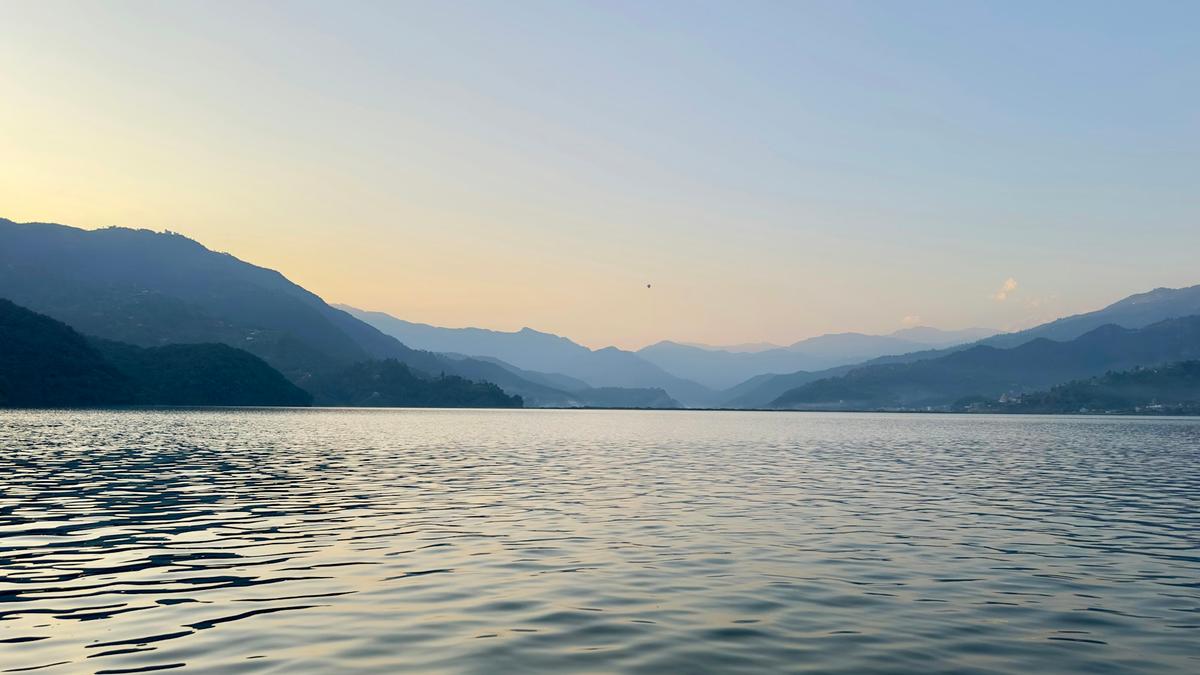
- Day 2: Fly to Pokhara, about 30 minutes. Afternoon at Lakeside and on Phewa Lake.
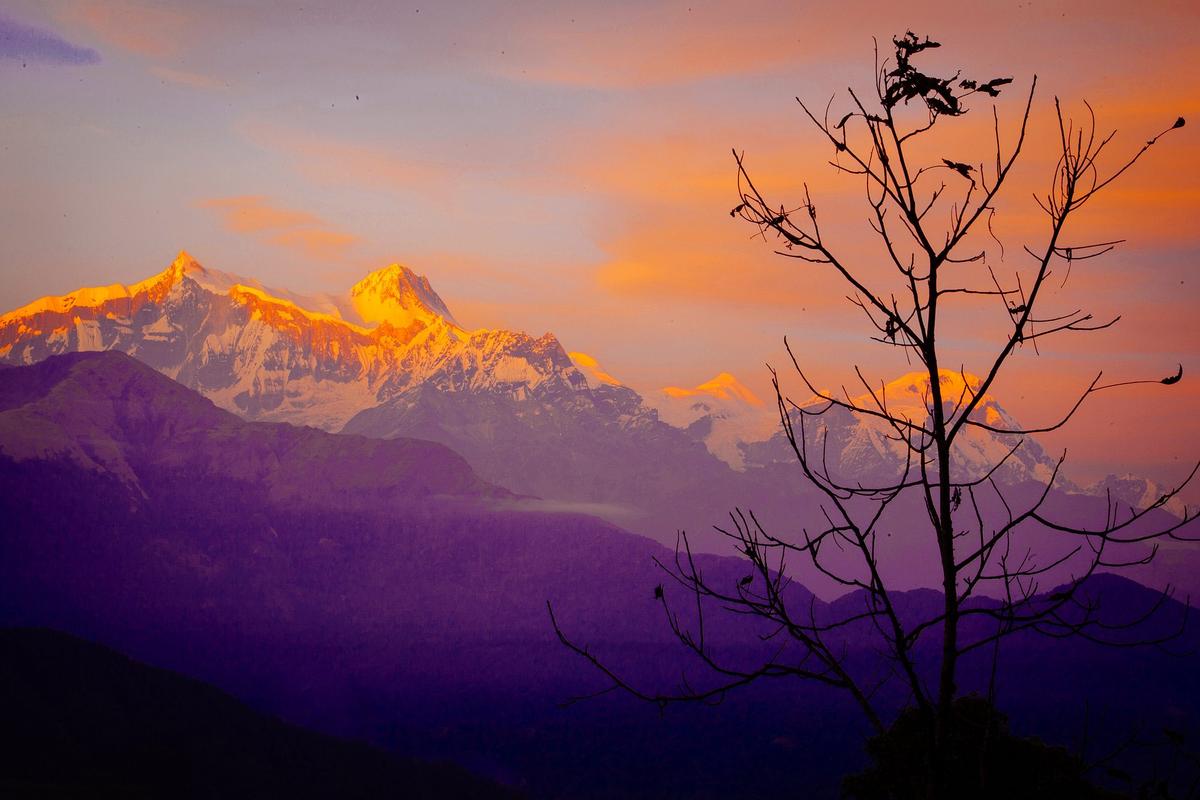
- Day 3: Sunrise at Sarangkot, Pokhara's viewpoint at 1,595 m, a 30 to 45 minute drive before dawn; then the World Peace Pagoda and Davis Falls.
- Day 4: Back to Kathmandu by air, or by road: most of a day, often six to nine hours with traffic and roadworks.
- Day 5: Patan and Bhaktapur.
For a Nepal itinerary 4 days long, fly back on day 4 and fold Patan into that afternoon.
Chitwan and Pokhara by road (4 days)
- Day 1: Drive to Sauraha, the village at the edge of Chitwan National Park, about 150 to 170 km and usually five to seven hours.
- Day 2: Morning jeep safari, then the drive to Pokhara, usually four to six hours.
- Day 3: Pokhara sights and a boat on Phewa Lake.
- Day 4: Sarangkot sunrise and the drive back to Kathmandu.
Our Kathmandu to Pokhara guide compares the bus, car and flight.
Nepal itinerary for 6 to 8 days
Six to eight days fits the classic Nepal itinerary loop: Kathmandu, Chitwan and Pokhara. If mountains matter more to you than wildlife, swap Chitwan for a short trek. Both versions start and end in Kathmandu.
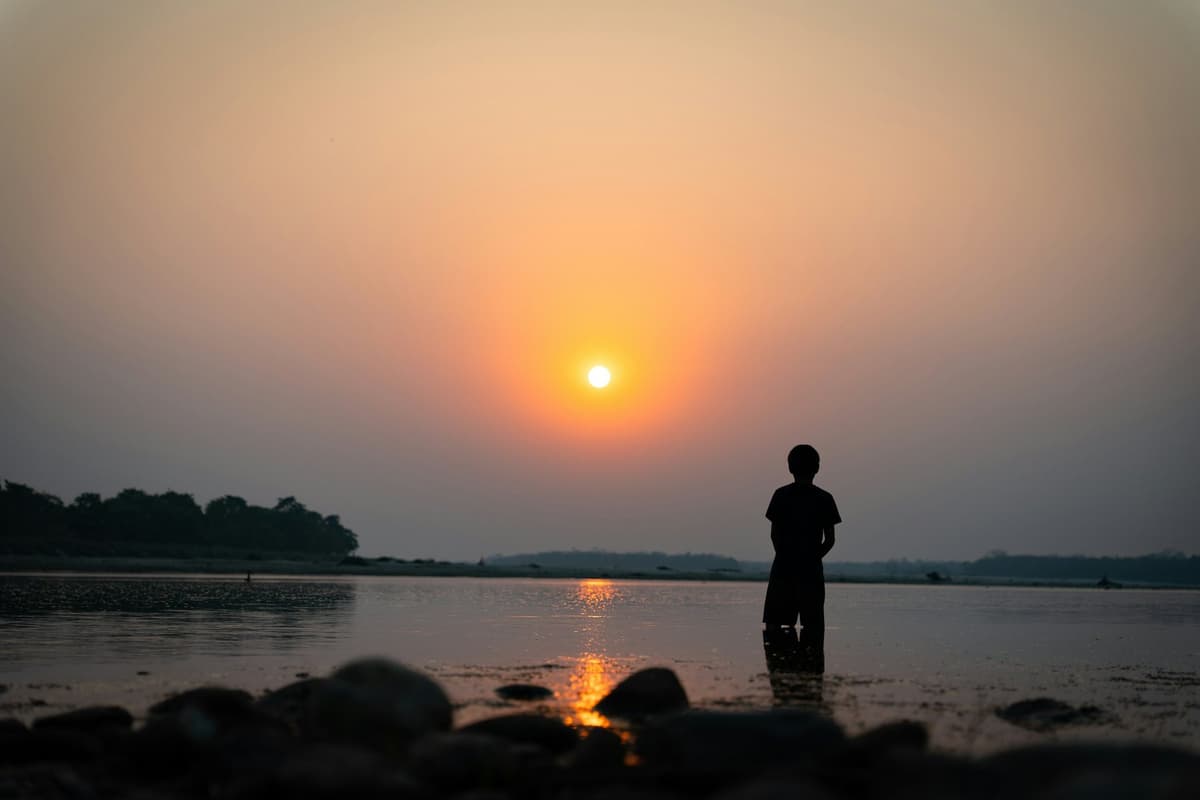
Nepal itinerary 8 days: Kathmandu, Chitwan and Pokhara
- Day 1: Arrive in Kathmandu; our Kathmandu airport arrival guide covers the first hour.
- Day 2: Kathmandu Valley heritage sites.
- Day 3: Drive to Sauraha, usually five to seven hours, or fly to Bharatpur, about 20 to 25 minutes, then about 30 minutes by road to the park.
- Day 4: Chitwan: a jeep safari, a canoe trip on the Rapti and a guided jungle walk with a park-certified guide. You need a permit for each day in the park, and walking inside it between sunset and sunrise is not allowed.
- Day 5: Drive to Pokhara, usually four to six hours.
- Day 6: Sarangkot sunrise and Pokhara.
- Day 7: Back to Kathmandu by road or air.
- Day 8: Bhaktapur, or a spare day before your flight home.
For a Nepal itinerary 6 days long, drop day 8 and fly back from Pokhara on day 6. Our Golden Triangle Nepal tour follows this loop in six days, all by road, with two nights in Chitwan; the longer drives can be swapped for a flight. Our Chitwan National Park and Kathmandu to Chitwan guides have the detail.
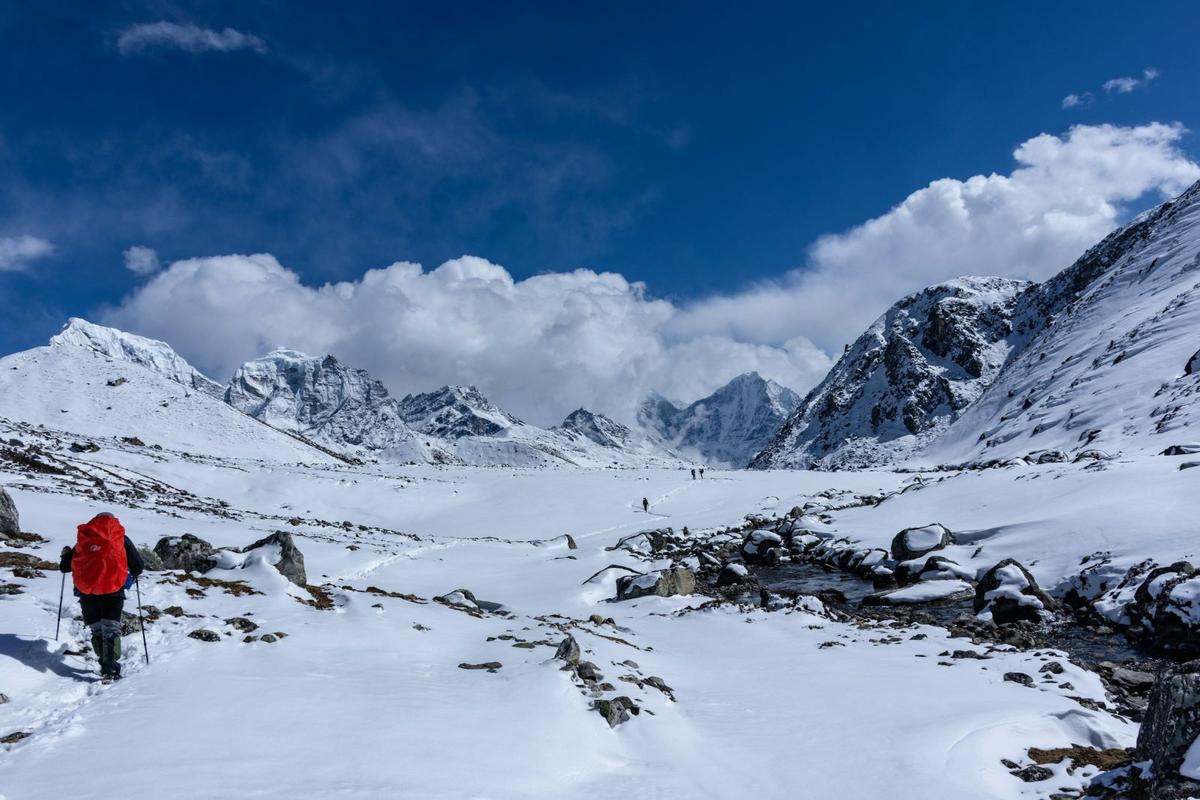
The short-trek version. NTB calls the Ghorepani Poon Hill trek one of the most popular short treks in Nepal, suitable for beginners and families. Our Ghorepani Poon Hill trek from Kathmandu takes six days, Kathmandu to Kathmandu:
- Day 1: Drive to Pokhara.
- Day 2: Drive to Banthanti, walk to Ghorepani.
- Day 3: Poon Hill sunrise at 3,210 m, the trek's high point, then on to Tadapani.
- Day 4: Walk to Ghandruk, at about 2,000 m.
- Day 5: Drive to Pokhara.
- Day 6: Drive to Kathmandu.
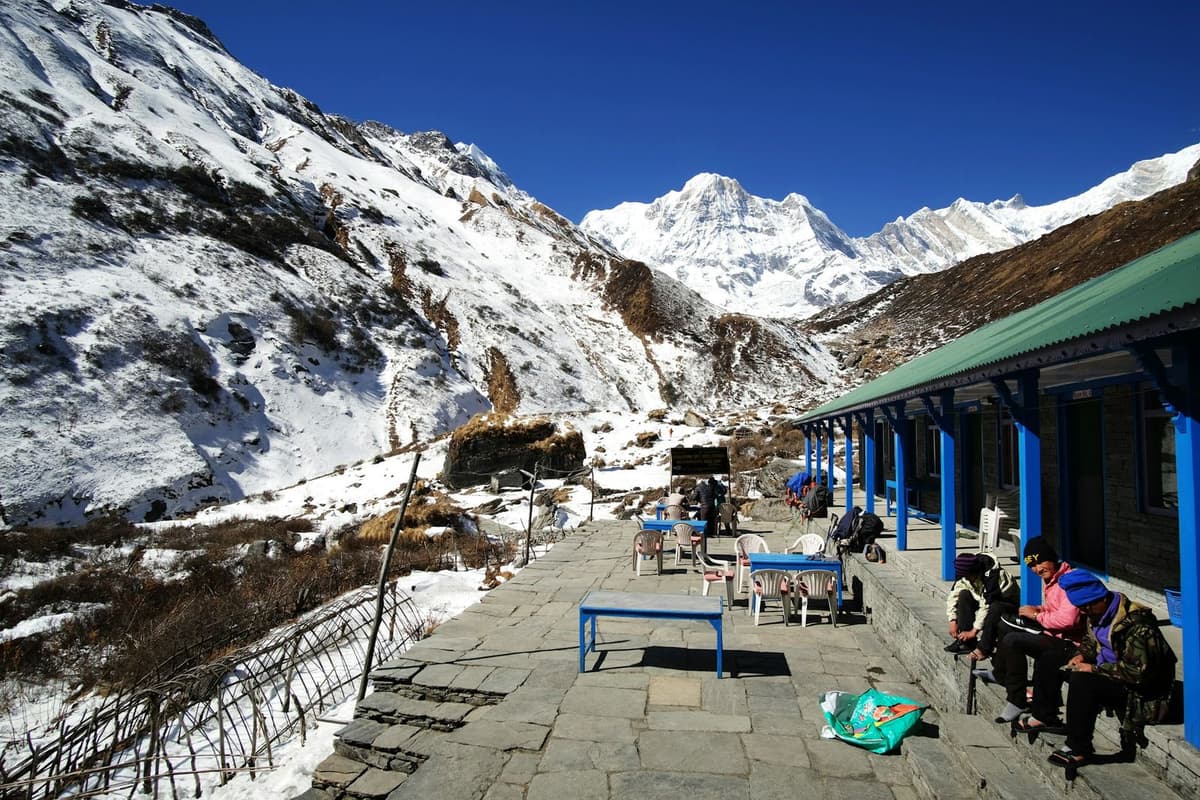
Add a Kathmandu day at each end for eight days. The trek is inside the Annapurna Conservation Area (NPR 3,000 for foreign visitors, NPR 1,000 for SAARC nationals); we arrange the permit, and a licensed guide walks with you on every trek we run. You sleep at Ghorepani, high enough for altitude illness to be possible, so read the altitude note in the 10-day plan below. Our easy treks in Nepal guide lists other short walks.
Nepal itinerary for 10 days
Ten days lets you combine the loop with a short trek and still keep a spare day: Kathmandu, then Pokhara with a three-day walk to Poon Hill, then Chitwan and back.
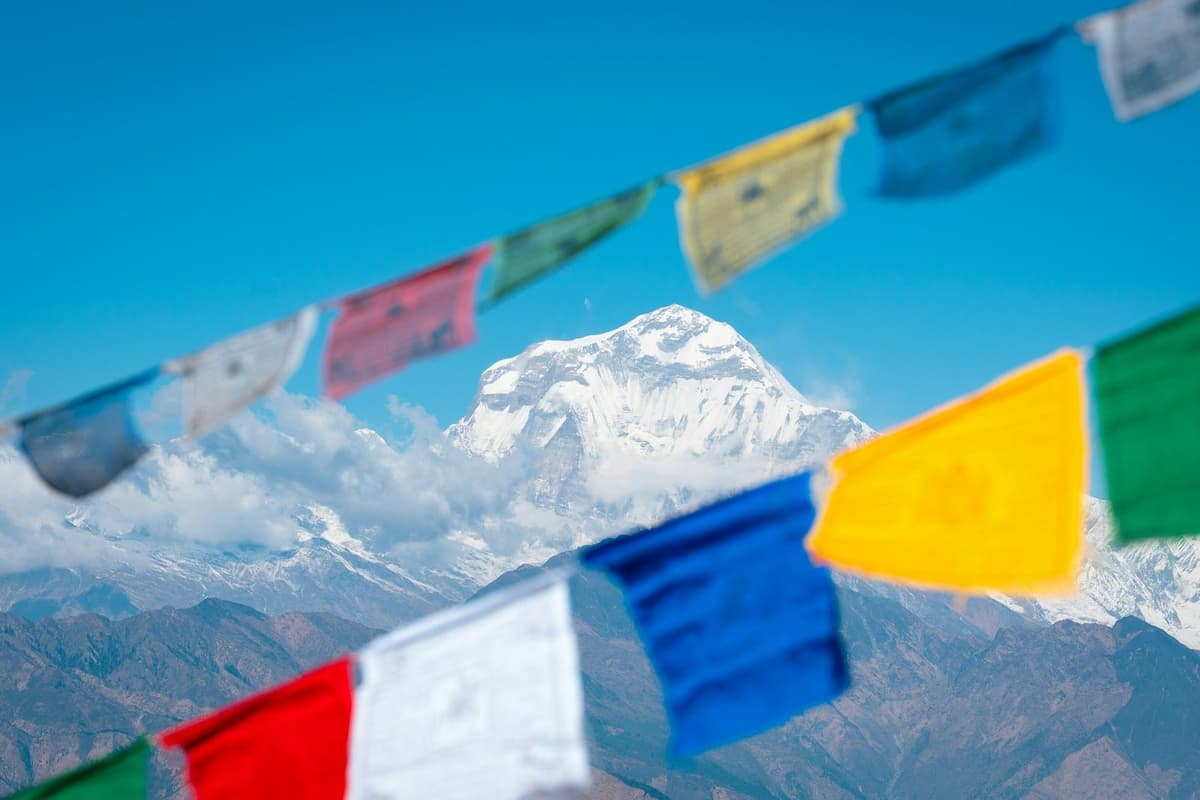
- Day 1: Arrive in Kathmandu.
- Day 2: Kathmandu Valley heritage sites.
- Day 3: Fly to Pokhara, about 30 minutes, or drive.
- Day 4: Drive to Banthanti or Ulleri, walk to Ghorepani.
- Day 5: Poon Hill sunrise, walk to Tadapani.
- Day 6: Walk to Ghandruk, drive back to Pokhara.
- Day 7: Drive to Sauraha, usually four to six hours.
- Day 8: Chitwan National Park.
- Day 9: Back to Kathmandu, five to seven hours by road or a short flight from Bharatpur.
- Day 10: Patan and Bhaktapur, or a buffer day.
A word on altitude. You sleep at Ghorepani, at about 2,860 to 2,870 m, and the CDC says anyone not acclimatised who sleeps at about 2,450 m (8,000 ft) or higher is at risk of altitude illness. Go up slowly, walk slowly, drink plenty of water, skip alcohol early on and learn the symptoms. Never go higher with symptoms, go down if they get worse, and ask your doctor before the trip about preventive medicine such as acetazolamide. Our guide on how to avoid altitude sickness has more.
Shorter walks from Pokhara. If three walking days is more than you want, two village walks above Pokhara give mountain views with only a night or two away. Dhampus sits at about 1,650 m, some 19 km northwest of Pokhara, according to NTB. Australian Camp, a little above 2,000 m, is a short drive to Kande and then about 1.5 to 2 hours' walk uphill. Both are inside the Annapurna Conservation Area, so the same permit applies.
Nepal itinerary for 14 days
Fourteen days lets you add both Bandipur and Lumbini to the loop and the short trek, and still keep a buffer day. Bandipur is a hill town on the road to Pokhara; Lumbini, the Buddha's birthplace, comes after Chitwan. Some travellers trade both for a longer trek.
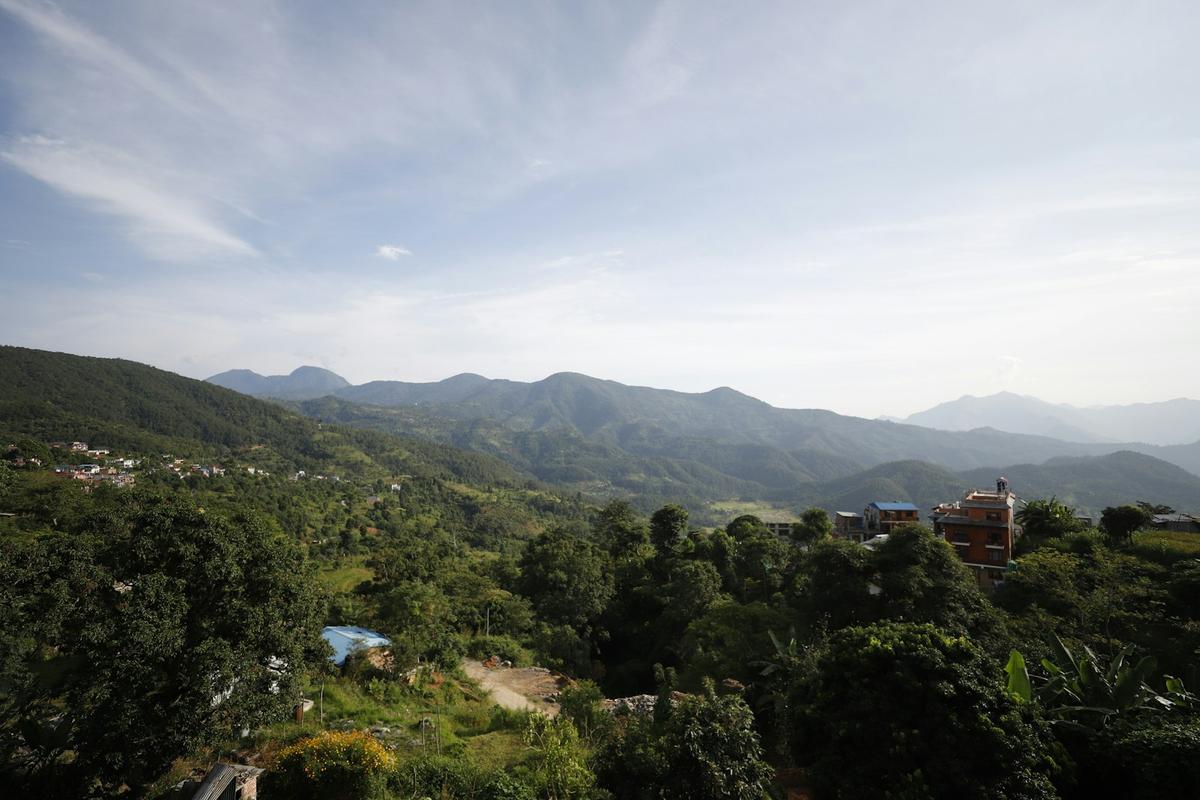
- Day 1: Arrive in Kathmandu.
- Day 2: Kathmandu Durbar Square, Swayambhunath, Pashupatinath and Boudhanath.
- Day 3: Patan and Bhaktapur.
- Day 4: Drive to Bandipur, five to six hours, a ridge town at about 1,000 m some 140 km from Kathmandu.
- Day 5: Morning walk in Bandipur, then the shorter drive on to Pokhara.
- Day 6: Sarangkot sunrise and Pokhara.
- Days 7 to 9: Poon Hill loop: Ghorepani, Poon Hill and Tadapani, Ghandruk.
- Day 10: Drive to Sauraha, usually four to six hours.
- Day 11: Chitwan National Park.
- Day 12: Drive to Lumbini, roughly four hours; the Sacred Garden and Maya Devi Temple in the afternoon.
- Day 13: Lumbini in the morning, then about 30 minutes to Bhairahawa airport and a 30-minute flight to Kathmandu.
- Day 14: Buffer day in Kathmandu.
UNESCO records that the Buddha was born in 623 BC in the sacred area of Lumbini. Since 14 April 2026 the Lumbini conservation fee has been NPR 1,000 a day for most foreign visitors, NPR 700 for SAARC and Myanmar nationals, NPR 80 for Indian nationals and NPR 20 for Nepalis. You can pay in cash, by QR code or online through the Lumbini Development Trust's ticket portal. Read our Lumbini guide before you go.
If you would rather trek longer, give the Bandipur and Lumbini days to the mountains. Treks such as Mardi Himal go well above 3,000 m, so they need proper acclimatisation and are not a sightseeing add-on. Above 3,000 m, raise your sleeping height by no more than about 500 m a night and plan a rest day every three to four days.
Nepal itinerary from India
A Nepal itinerary from India works by air or overland. By air, you land in Kathmandu and follow any plan above. Overland through the Sunauli and Belahiya crossing, Lumbini comes first: it is about 26 km from the border, around 45 minutes to an hour by taxi or bus.
From the border, the loop runs Lumbini, Chitwan (roughly four hours), Pokhara (usually four to six hours from Sauraha) and Kathmandu. Kathmandu to Lumbini by road is eight to ten hours or more, so fly the last leg to Bhairahawa, about 30 minutes, and cross back from there.
ID rules (information only, from NTB). According to the Nepal Tourism Board, Indian nationals need no visa. Carry a valid passport or an Election Commission of India voter ID card; travellers over 65 may use a PAN card, driving licence or ration card with photo, and under-18s an ID from their school principal. NTB states that the Aadhaar card is not accepted as a travel document, and in May 2026 it said reports of new restrictions on Indian tourists were false. Check the NTB tourist visa page before you travel; entry documents are your own arrangement.
Also note: Indian Rs 200 and Rs 500 notes issued after 9 November 2016 can be brought in up to Rs 25,000 per person, under Nepal Rastra Bank guidelines reported in July 2026. If you plan to drive your own Indian-registered car, the Kathmandu Post reported in June 2026 that it must be registered online before entry and pays a daily customs fee at the border.
Getting around: road, flights and buffer days
Roads in Nepal are slow and winter fog can ground flights, so a sensible Nepal travel itinerary has slack in it. Never schedule a long drive or a domestic flight for the day before you fly home.
Road. Tourist buses to Pokhara leave Sorhakhutte at about 7 am. Buses to Chitwan also leave early, usually around 7 am; check the time when you buy the ticket. Since early November 2026, repeated landslides at Ghoptebhir near Mugling have slowed the Kathmandu-Pokhara and Kathmandu-Chitwan roads, at times closing the road for hours or running traffic one way at a time. On 15 November 2026 police reported the stretch one-way again after a morning landslide, and said two-way traffic would return once traffic eased. Check the road on the morning you travel.
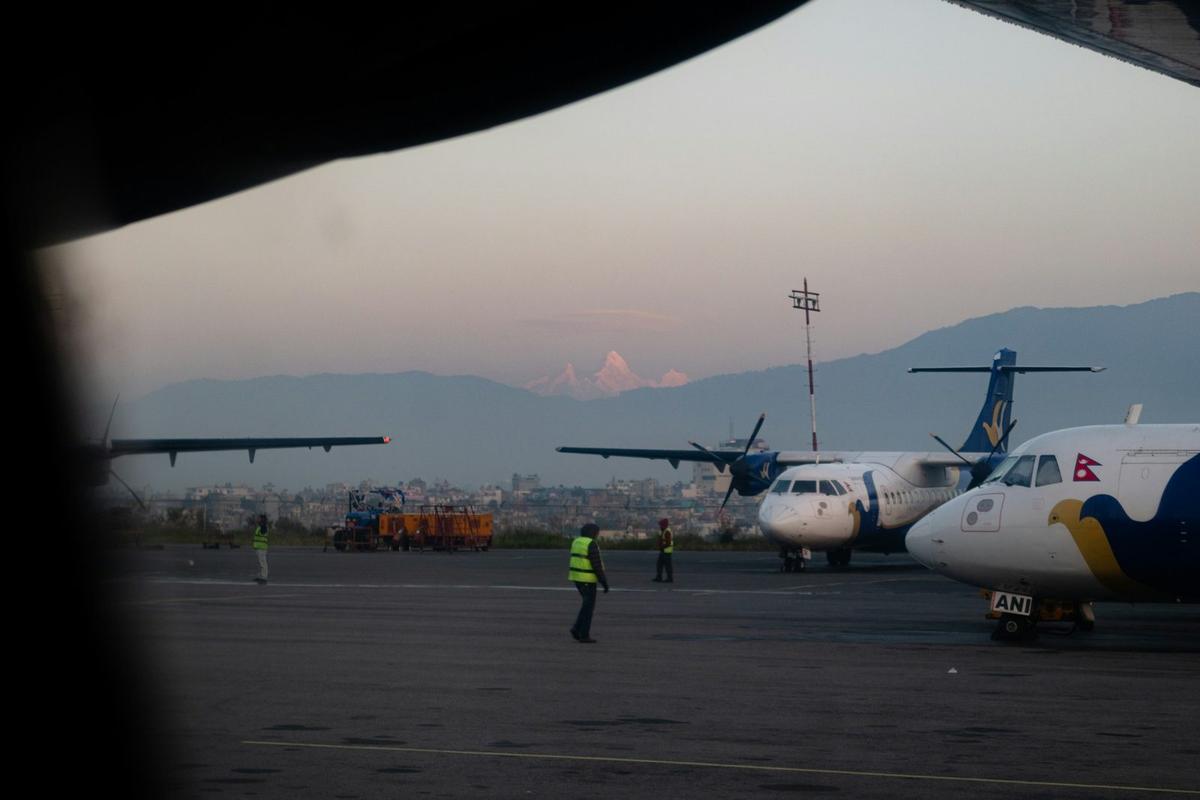
Flights. Flight times are in the plans above. There is also a short Pokhara-Bharatpur flight on some days, but most travellers go by road. Pokhara's international airport gained a scheduled international service on 23 September 2026, when flydubai began regular Dubai-Pokhara flights, and Kantipur reported 30 flights on the route within a month. This is information only: we do not sell flights, so check current schedules with the airline.
Fog. Dense fog shut Kathmandu airport from 7:20 am on 29 January 2026. In one late-December week of 2025, fog and cold led to 328 domestic flight cancellations, with flights to Bhairahawa and Bharatpur among those hit. In December and January, keep a spare half day around any flight.
When to go
Spring and autumn are the easiest seasons. NTB names five seasons, spring, summer, monsoon, autumn and winter, and says spring and autumn are the best time for most trekking areas.
"Spring is the time for rhododendrons to bloom while the clearest skies are found after the monsoon in October and November."
Nepal Tourism Board, ntb.gov.np
NTB says 80 per cent of Nepal's rain falls in the monsoon, June to September. The monsoon normally withdraws from eastern Nepal around 2 October, though in 2026 it did not fully leave until mid-October. December and January still bring bright sun and clear views, NTB notes, but temperatures drop about 6°C for every 1,000 m you climb. For Chitwan, NTB lists October to March as the best season. Our best time to visit Nepal guide goes month by month.
Holidays, December 2026 to April 2027 (Ministry of Home Affairs list for 2083, plus the expected New Year; some apply only in certain areas). Government offices close on public holidays, which matters if you need a permit or visa extension that day.
| Date | Holiday |
|---|---|
| 25 Dec 2026 | Christmas Day |
| 30 Dec 2026 | Tamu Lhosar, the Gurung New Year |
| 15 Jan 2027 | Maghe Sankranti |
| 30 Jan 2027 | Martyrs' Day |
| 7 Feb 2027 | Sonam Lhosar |
| 19 Feb 2027 | National Democracy Day |
| 6 Mar 2027 | Maha Shivaratri |
| 9 Mar 2027 | Gyalpo Lhosar |
| 21 Mar 2027 | Holi in the hills, including Kathmandu and Pokhara; 22 March in the Terai |
| 6 Apr 2027 | Ghode Jatra, Kathmandu Valley only |
| 14 Apr 2027 | Nepali New Year 2084, expected |
Frequently asked questions
How many days are enough for Nepal?
Seven to ten days covers Kathmandu, Chitwan and Pokhara at a comfortable pace. Three days covers the Kathmandu Valley only. For a short trek as well as the loop, plan on ten days or more, because each move between regions takes most of a day by road.
Is 3 or 4 days enough for Kathmandu and Pokhara?
Four days is enough if you fly at least one way, since the road takes most of a day. With three days, pick one: the Kathmandu Valley, or Pokhara with flights both ways.
Is it a mistake to skip Pokhara on a first trip?
Not if your time is short. Kathmandu, Bhaktapur and Nagarkot give you heritage and a mountain horizon in three days without a long drive. Add Pokhara once you have five days or more.
What is a good 7 or 8 day Nepal itinerary?
A good shape is a loop: two days in Kathmandu, two nights in Chitwan and two in Pokhara. If you prefer mountains to wildlife, swap Chitwan for the Ghorepani Poon Hill trek. Keep the last day free in case a road or flight runs late.
Can you add a short trek to a one-week Nepal trip?
Yes. The Ghorepani Poon Hill trek usually takes four to seven days, and a three-day loop from Pokhara is possible. You sleep above the 2,450 m height at which the CDC says altitude illness becomes a risk, so walk slowly, know the symptoms and never go higher with them.
Do Indians need a passport or visa for Nepal, and is Aadhaar accepted?
According to NTB, Indian nationals need no visa. A valid passport or an Election Commission of India voter ID card is accepted, with extra options for travellers over 65 and under 18. NTB states that Aadhaar is not accepted as a travel document.
Plan your Nepal itinerary with us
The right plan matches your days, your pace and the season. For every stop in more depth, start with our guide to Nepal tourist places and our list of things to do in Nepal. To compare our short trips side by side, see the classic multi-city tours. Once you land in Kathmandu, we take care of drivers, hotels, licensed guides and the park and conservation-area permits for the trips in this guide; your visa and international flights stay your own arrangement. Send us your dates and we will tell you what fits: message us on WhatsApp or use the enquiry form on any trip page.