






Explore by activity
Not listed yet

We run Motorbiking & Overland trips — we just haven’t put the itinerary on the site yet. Tell us your dates and we’ll send a costed day-by-day plan.

Explore by experience
Explore by region
by gomayu
Search Tours or Places

Garden of Dreams, Kathmandu: A Quiet Hour in Thamel

14 min read Posted 05 Nov 2026Updated 03 Nov 2026
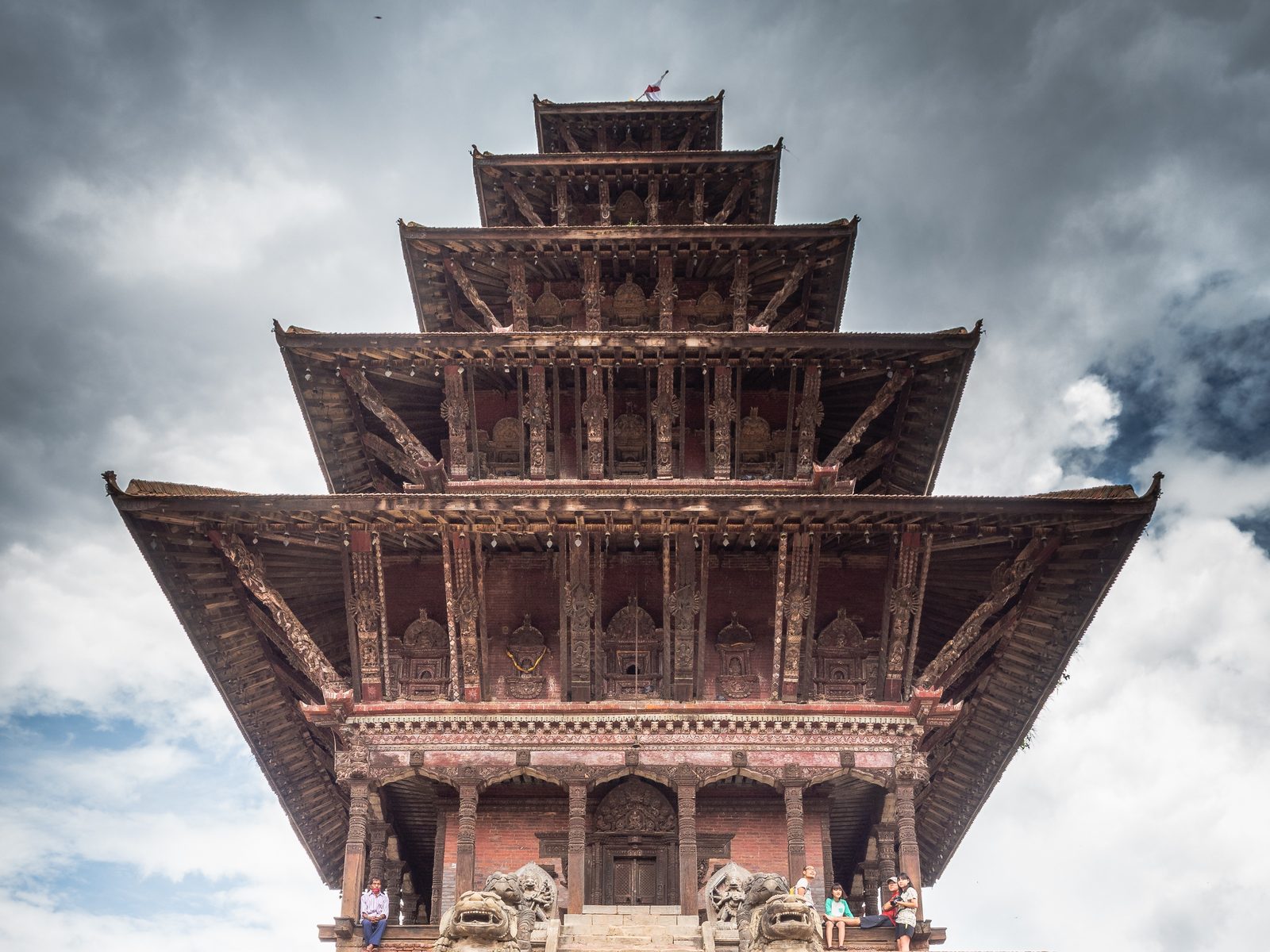
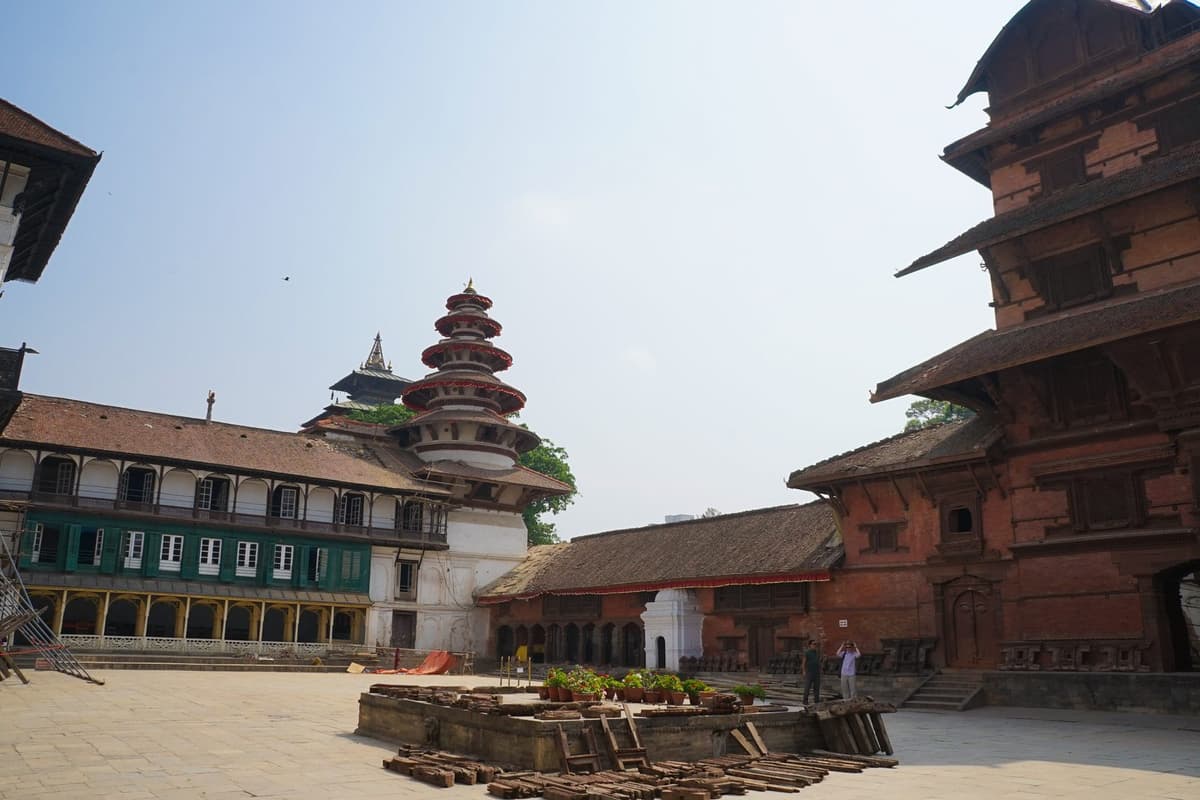
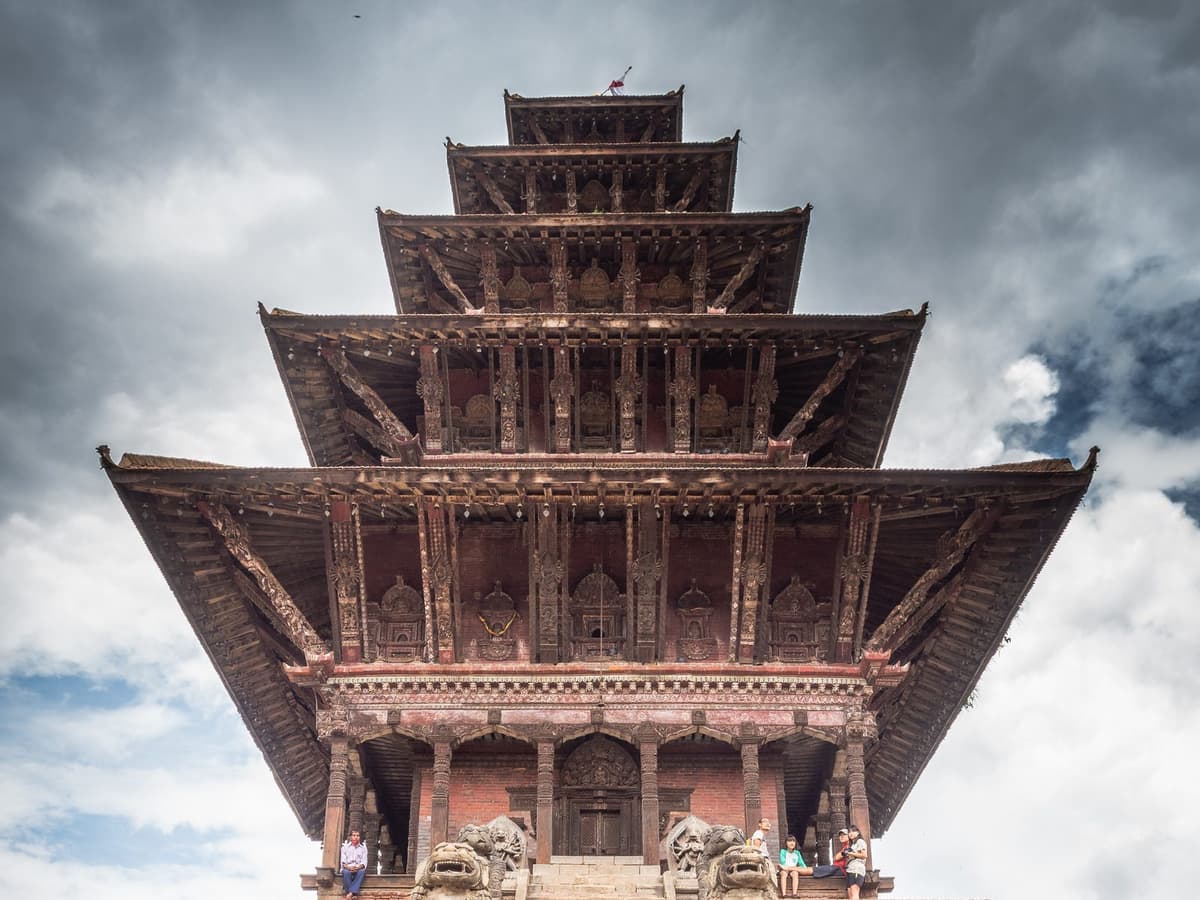
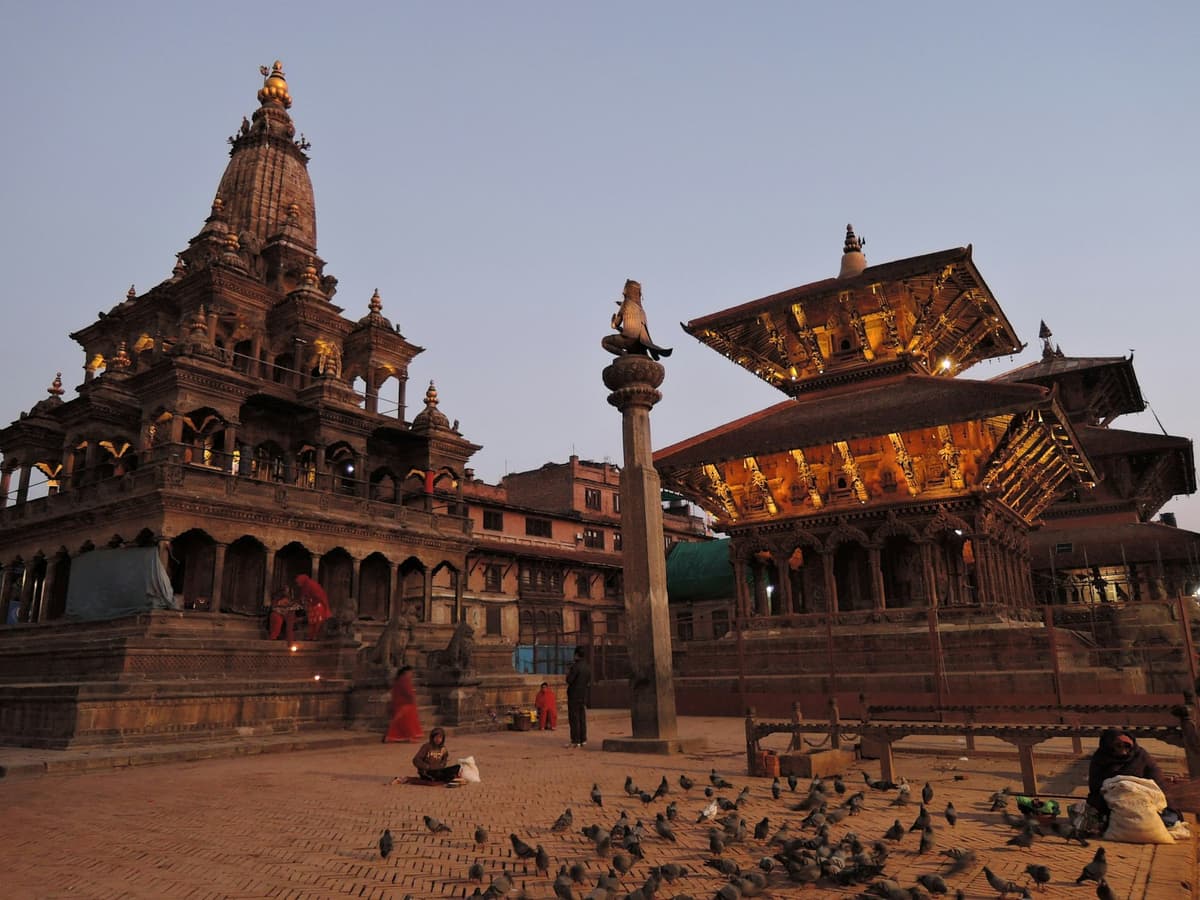
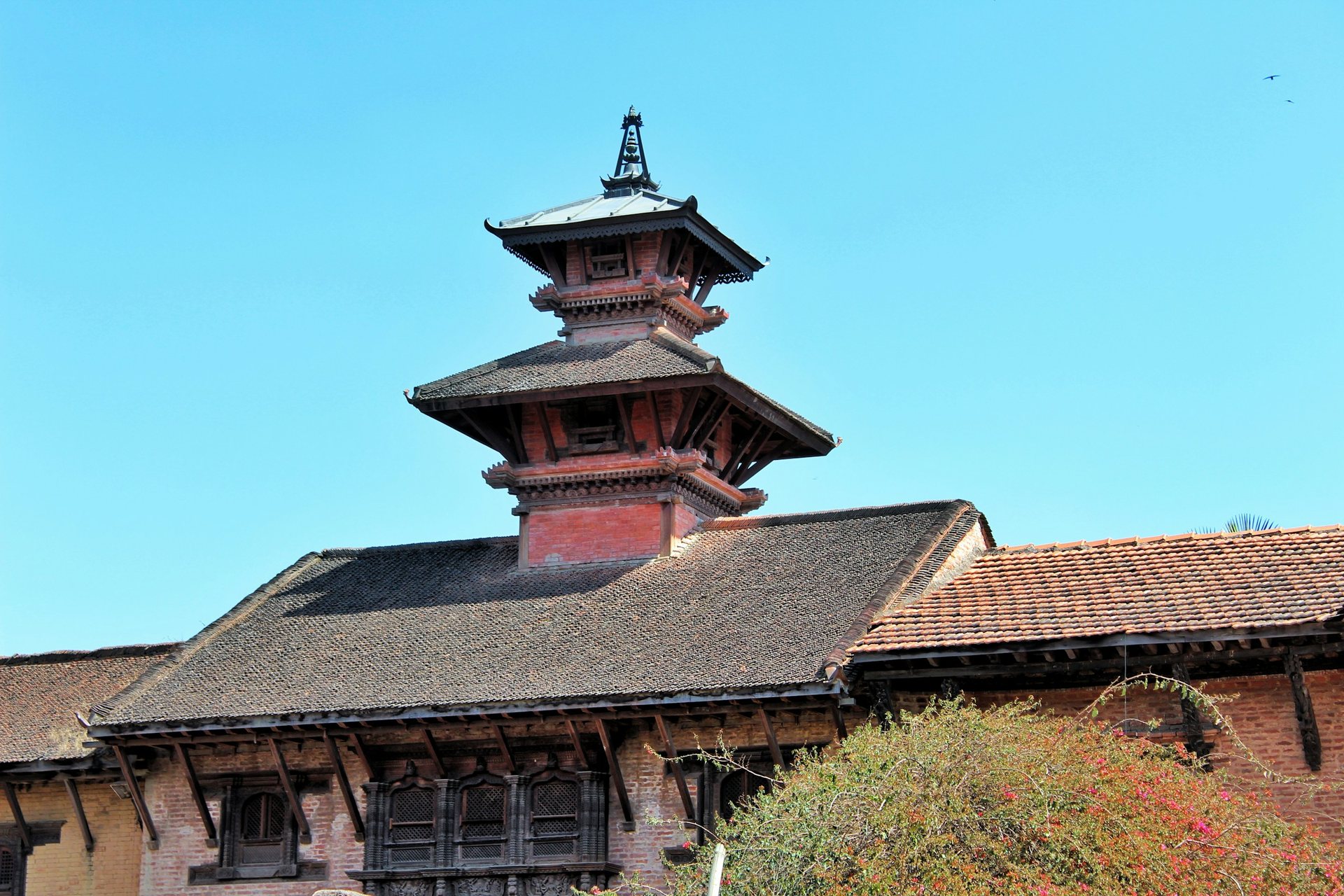
Pagoda tower above a courtyard in Kathmandu Durbar Square

By Uncover Nepal Team · Checked by our Kathmandu travel team · Last checked 1 November 2026

On Tridevi Marg, at the entrance to Thamel, a long wall runs beside the traffic, with the former Royal Palace, now the Narayanhiti museum, across the street. Behind that wall is a formal garden of ponds, pergolas, urns and pavilions, created for a Rana field marshal in early 1920. Inside, loud music is not allowed.

The Garden of Dreams, or Swapna Bagaicha (स्वप्न बगैंचा), is a restored neo-classical garden beside Kaiser Mahal at the entrance to Thamel. It is open 9 am to 9 pm daily. The official site lists entry at NPR 400 for non-Nepali visitors and NPR 150 for Nepalis. Outside food is not allowed.

For the wider city, see our guide to places to visit in Kathmandu.

In this guide

  • What is the Garden of Dreams?
  • Who built the garden, and why six pavilions?
  • How was the garden saved and restored?
  • What can you see in the garden today?
  • What are the Garden of Dreams Kathmandu opening hours and entry fees?
  • What are the rules inside the garden?
  • Is the Kaiser Library next door worth a visit?
  • How do you get there, and what is nearby?
  • Frequently asked questions
  • Planning the rest of your Kathmandu days

Key facts

Location
Wall along Tridevi Marg, at the entrance to Thamel, across from the former Royal Palace (Official site and Nepali Times, checked 1 Nov 2026)
Created
Early 1920, for Field Marshal Kaiser Shumsher Jung Bahadur Rana (1892 to 1964) (Official site, checked 1 Nov 2026)
Designer
Kishore Narsingh, architect of Singha Durbar (1907) (Official site, checked 1 Nov 2026)
Pavilions
Six built, one per season; three stand today (Official site, checked 1 Nov 2026)
Area
6,895 square metres, the committee's figure (Official site, checked 1 Nov 2026)
Restoration
2000 to 2007, Austrian-funded, carried out by Eco Himal (Official site and Wikipedia, checked 1 Nov 2026)
Reopened
8 October 2006, a soft opening (The Himalayan Times, checked 1 Nov 2026)
Opening hours
9 am to 9 pm, every day (Official site, checked 1 Nov 2026)
Entry fee
NPR 400 non-Nepali (SAARC included), NPR 150 Nepali (Official site (fee text from 2023) and Nepal Tourism Board fee table, checked 1 Nov 2026)
Food
No outside food; Kaiser Café inside (Official site, checked 1 Nov 2026)

What is the Garden of Dreams?

The Garden of Dreams is a walled, neo-classical garden at the entrance to Thamel in Kathmandu, created in early 1920 for Field Marshal Kaiser Shumsher Rana and restored with Austrian funding from 2000 to 2007. Today it is a ticketed, managed garden with pavilions, ponds and a café, open every day from 9 am to 9 pm.

The style is neo-classical, inspired by the Edwardian style, with formal, axial architecture set against more informal planting. Axial means the paths and buildings line up along straight sight lines, so the garden reads as one designed composition.

The name is newer than the garden. According to Karna Shakya's 2009 book Paradise in Our Backyard, the Education Minister of the day, Arjun Narsingha KC, named it "The Garden of Dreams" in 1998.

It is not a big place: the committee gives the area as 6,895 square metres, about 6,900. The official site is clear that this is only part of the original: "Today, only half of the original garden is in existence." It is run by a development committee under the Ministry of Education.

Practical takeaway: treat it as a place to sit rather than a monument to tick off. What you pay for is a calm, kept space beside the Thamel tourist area.

Who built the garden, and why six pavilions?

Field Marshal Kaiser Shumsher Jung Bahadur Rana (1892 to 1964) created the garden in early 1920. The architect Kishore Narsingh, who designed Singha Durbar in 1907, designed it and supervised the building. Kaiser built six pavilions, one for each of Nepal's six seasons, and the official site says the garden was famous as the garden of Six Seasons.

In the official site's words, each pavilion was "dedicated to one of the six seasons of Nepal". Three stand today, so sources that say six and sources that say three are both right: six were built, three survive.

The official history links the garden's design to Kaiser Shumsher's book collection on gardening, architecture and literature, and the library that carries his name sits next door.

The official site describes the original design as an ensemble of pavilions, fountains, verandas, pergolas, balustrades, urns, statues and birdhouses, with a sunken flower garden and a large pond at its centre. A pergola is a frame of columns and beams that plants grow over; a balustrade is the low railing of small pillars along a terrace.

Practical takeaway: look for the pavilions first. With only three of the six left, they are the clearest part of Kaiser Shumsher's plan you can still see whole.

How was the garden saved and restored?

After Kaiser Shumsher's death the garden passed to the Government of Nepal and was neglected for decades. In 1998, by Karna Shakya's account, it was due to be demolished for a commercial centre until the Education Minister stopped the plan. Austrian Development Aid then funded a restoration from 2000 to 2007, carried out by Eco Himal.

The official history puts the decline plainly: "Located just across the street from the former Royal Palace at the entrance to the Thamel tourist area, the Garden was neglected for decades."

The rescue has a Thamel link: Karna Shakya, who advised the minister, is the same Karna Shakya who opened the Kathmandu Guest House in 1968, with 13 rooms, in his family's Rana-era house. Because the account comes from his own book, we give it as his version of events.

The restoration ran with Austrian Development Aid and in collaboration with the Ministry of Education. The Nepali Times described it in 2006 as a USD 1 million project. The chief architect was the late Götz Hagmüller, who was strict about what the garden should host. He told the paper that year: "No rock concerts. No weddings. No fashion shows." Today the garden does welcome private functions, receptions and classical concerts. It reopened with a soft opening on 8 October 2006, and the Nepali Times reported that further restoration and staff training would continue until September 2007.

Practical takeaway: your ticket is part of the story. The official FAQs say admission fees are the garden's main income, so paying at the gate is how the restored garden pays its way.

What can you see in the garden today?

Today the garden has three pavilions, an amphitheatre, central ponds, pergolas, urns and a series of smaller gardens, by the committee's own description, and a sunken flower garden with a large pond at its centre. Only about half of the original layout survives. There is also a café, Kaiser Café, inside the grounds.

The pavilions, ponds and sunken garden

Walk the straight lines between the pavilions and the central ponds, then find the sunken flower garden and its large pond. The formal lines, urns and pergolas are what make it read as Edwardian rather than Nepali. If you know Kathmandu mainly through its temple squares, that contrast is the reason to come. Because the garden also hosts functions and concerts, ask at the gate whether anything is on if you are going for quiet.

Kaiser Café

Kaiser Café is run by Basera Boutique Hotel and, by the garden's official FAQs, serves Nepali and continental food, with breakfast, lunch and dinner. You need a garden ticket to reach it. The café's own page on the garden site was last edited in September 2023 and we found no newer source, so check it is open before you plan a meal there.

Practical takeaway: the layout is small, so give most of your time to sitting, with the café as an option if it is open.

What are the Garden of Dreams Kathmandu opening hours and entry fees?

The garden is open from 9 am to 9 pm every day. The official site lists entry at NPR 400 for non-Nepali visitors and NPR 150 for Nepalis, with tickets sold at the entrance. The fee text was last updated in 2023, so check at the gate before you rely on these figures.

The site does not say whether the garden closes on festival days, so check locally around major festivals.

For Indian and other South Asian visitors: sites such as Kathmandu Durbar Square and Swayambhunath have a separate SAARC rate, but the Garden of Dreams does not. The garden's site lists no SAARC tier, and the Nepal Tourism Board's heritage fee table gives NPR 400 for SAARC nationals, the same as other foreign visitors.

Garden of Dreams tickets as published on the official site, checked 1 November 2026

Ticket Price or discount Notes
Non-Nepali visitor NPR 400 Fee text last edited September 2023
Nepali visitor NPR 150 Fee text last edited September 2023
SAARC visitor NPR 400 No separate rate; NTB's fee table lists NPR 400
Children, senior citizens, differently-abled visitors 50 per cent off Age limits not stated; NTB's table gives different child terms, so confirm at the gate
Ten tickets 25 per cent off Page edited March 2022
Annual membership NPR 5,000 non-Nepali, NPR 3,000 Nepali; corporate (10 or more) NPR 2,500 each Year-round access; page edited March 2022, check current rates

Practical takeaway: plan on NPR 400 per non-Nepali visitor, buy at the entrance, and read the board at the gate, because the official fee text has not been edited since 2023.

What are the rules inside the garden?

No outside food may be brought in, games are not allowed, and loud sound or music that disturbs other visitors is not allowed. Guards may check tickets. The committee also asks that recent photos of the garden are not published commercially without its consent.

The official FAQs sum up the spirit of these rules in one line:

"It is neither a party palace nor play ground."

Garden of Dreams official FAQs page, checked 1 November 2026

In practice: eat before you come or use the café, leave the speaker in your bag, keep calls low, and save ball games for elsewhere.

Practical takeaway: come fed, come quiet, keep your ticket handy, and get consent first if your photos are for work.

Is the Kaiser Library next door worth a visit?

If you like old buildings and books, yes. The Kaiser Library, whose official name is Keshar Library (Keshar Pustakalaya), sits next door in Kaiser Mahal and is run by the Government of Nepal, Ministry of Education and Sports. It keeps office hours that end earlier than the garden's, so visit it first.

Mahal means palace and Pustakalaya means library, so Kaiser Mahal is Kaiser Shumsher's palace, and the library inside carries his name.

The library lists its office hours by the Nepali calendar:

  • Winter (16 Kartik to 15 Magh): Monday to Friday 8:00 to 17:00; Saturday and Sunday 10:00 to 16:00.
  • Summer (16 Magh to 15 Kartik): Monday to Friday 8:00 to 18:00; Saturday and Sunday 10:00 to 16:00.
  • Closed on the New Year, Dashain, Tihar and Fagu Purnima public holidays.

Kartik and Magh are Nepali calendar months, so check the dates with your hotel and confirm on the library's own website before you go.

Two honest caveats. We found no published entry fee, so ask at the door rather than assuming it is free. And the building was damaged in the 2015 earthquake; a 2019 Kathmandu Post report said it had not been retrofitted by then. We have no newer report on its condition, so ask what is open.

Practical takeaway: on weekdays the library opens before the garden, so go library first, garden second; at weekends its hours are shorter.

How do you get there, and what is nearby?

The garden sits at the entrance to Thamel, with its wall along Tridevi Marg, across the street from the former Royal Palace, now the Narayanhiti museum. From a Thamel hotel you are already at its edge; from elsewhere, ask a taxi for Kaiser Mahal. The Kaiser Library is next door.

When the garden reopened in 2006, the Himalayan Times reported a new entrance gate on Tridevi Marg. Follow the wall there and ask for the entrance, where tickets are sold. The garden closes at 9 pm, so an evening visit means walking back after dark: keep to lit streets (see the Thamel safety answer below).

For bigger sights, pair the garden with the city's main squares and temples. Our Kathmandu Durbar Square guide covers the old palace square (NPR 1,000 foreign, NPR 500 SAARC). Our Swayambhunath guide covers the stupa often called the Monkey Temple (NPR 200 foreign, NPR 50 SAARC). Our Pashupatinath temple guide explains the ticket counters, who can enter the main temple and the evening aarti. Thamel itself has its own write-up in our Thamel guide. For ideas beyond the centre, see our White Gumba guide and our round-up of Kathmandu day trips.

Practical takeaway: use the garden as the bookend to a busy day. Do the big squares and temples while you have energy, then sit in the garden before it closes at 9 pm.

Frequently asked questions

What are the Garden of Dreams opening hours?

The Garden of Dreams is open from 9 am to 9 pm every day, according to the official homepage, last edited in October 2026. Tickets are sold at the entrance. Festival-day closures are not stated, so around Dashain, Tihar or other big festivals, check locally or ask your hotel.

How much is the Garden of Dreams entry fee?

The official site lists entry at NPR 400 for non-Nepali visitors and NPR 150 for Nepalis. There is no separate SAARC rate: the Nepal Tourism Board's fee table lists NPR 400 for SAARC nationals too, so Indian and other South Asian visitors pay NPR 400. The fee text was last updated in 2023, so check at the gate. Children, senior citizens and differently-abled visitors get a discount.

Can you eat or bring food into the Garden of Dreams?

You cannot bring outside food in; the official FAQs say so directly. You can eat at Kaiser Café inside the grounds, run by Basera Boutique Hotel, which serves Nepali and continental food. You need a garden ticket to reach it. The café's page was last edited in 2023, so check it is open first.

What is there to do in Thamel, and is it safe at night?

Thamel is Kathmandu's main visitor area: gear and handicraft shops, live music and bars, and old market streets leading south through Asan and Indra Chowk to Durbar Square. For the night, the UK government warns of pickpockets and bag-snatchers in Thamel, says assaults and robberies are more likely in the evening in poorly lit areas, and advises caution with drinks from strangers. Late-night hours have changed several times since 2024, so ask your hotel. Tourist Police: 1144, or the Thamel unit on 9851289453.

How much is the Pashupatinath entry ticket?

Pashupatinath charges NPR 1,000 per day per entry for foreign, SAARC (except Indian) and Chinese visitors; Indian and Nepali nationals enter free. Tickets are sold at four tourist counters: Guheshwori, Vatsaleshwori, Tilganga and Gate No. 3. The main temple is open to Hindus only, but the ghats are open to everyone. See our Pashupatinath temple guide.

What time is the evening aarti at Pashupatinath?

The evening Bagmati aarti, a worship ceremony with oil lamps, begins around dusk. It is held on the river bank opposite the main temple, and visitors of any faith can watch from the east-bank terraces. Published times differ between official sources, so check on the day and arrive in daylight to find a place on the steps.

Planning the rest of your Kathmandu days

The Garden of Dreams is one quiet stop in a busy city. For the rest of your days, go back to our guide to places to visit in Kathmandu for the main sights.

To see more of the city with us, look at our Kathmandu old city walking tour, our off-route Kathmandu Valley tour or our cultural heritage tours.

Message us on WhatsApp or use the enquiry form and we will reply with options.
Tags
Garden of DreamsKathmanduThamelKaiser LibraryRana historyplaces to visit in Kathmandu
Share
U
Uncover Nepal Team
Writer at Uncover Nepal
More in PlacesSee all Places

Garden of Dreams, Kathmandu: A Quiet Hour in Thamel

14 min read Posted 05 Nov 2026Updated 03 Nov 2026
Pagoda tower above a courtyard in Kathmandu Durbar Square

By Uncover Nepal Team · Checked by our Kathmandu travel team · Last checked 1 November 2026

On Tridevi Marg, at the entrance to Thamel, a long wall runs beside the traffic, with the former Royal Palace, now the Narayanhiti museum, across the street. Behind that wall is a formal garden of ponds, pergolas, urns and pavilions, created for a Rana field marshal in early 1920. Inside, loud music is not allowed.

The Garden of Dreams, or Swapna Bagaicha (स्वप्न बगैंचा), is a restored neo-classical garden beside Kaiser Mahal at the entrance to Thamel. It is open 9 am to 9 pm daily. The official site lists entry at NPR 400 for non-Nepali visitors and NPR 150 for Nepalis. Outside food is not allowed.

For the wider city, see our guide to places to visit in Kathmandu.

In this guide

  • What is the Garden of Dreams?
  • Who built the garden, and why six pavilions?
  • How was the garden saved and restored?
  • What can you see in the garden today?
  • What are the Garden of Dreams Kathmandu opening hours and entry fees?
  • What are the rules inside the garden?
  • Is the Kaiser Library next door worth a visit?
  • How do you get there, and what is nearby?
  • Frequently asked questions
  • Planning the rest of your Kathmandu days

Key facts

Location
Wall along Tridevi Marg, at the entrance to Thamel, across from the former Royal Palace (Official site and Nepali Times, checked 1 Nov 2026)
Created
Early 1920, for Field Marshal Kaiser Shumsher Jung Bahadur Rana (1892 to 1964) (Official site, checked 1 Nov 2026)
Designer
Kishore Narsingh, architect of Singha Durbar (1907) (Official site, checked 1 Nov 2026)
Pavilions
Six built, one per season; three stand today (Official site, checked 1 Nov 2026)
Area
6,895 square metres, the committee's figure (Official site, checked 1 Nov 2026)
Restoration
2000 to 2007, Austrian-funded, carried out by Eco Himal (Official site and Wikipedia, checked 1 Nov 2026)
Reopened
8 October 2006, a soft opening (The Himalayan Times, checked 1 Nov 2026)
Opening hours
9 am to 9 pm, every day (Official site, checked 1 Nov 2026)
Entry fee
NPR 400 non-Nepali (SAARC included), NPR 150 Nepali (Official site (fee text from 2023) and Nepal Tourism Board fee table, checked 1 Nov 2026)
Food
No outside food; Kaiser Café inside (Official site, checked 1 Nov 2026)

What is the Garden of Dreams?

The Garden of Dreams is a walled, neo-classical garden at the entrance to Thamel in Kathmandu, created in early 1920 for Field Marshal Kaiser Shumsher Rana and restored with Austrian funding from 2000 to 2007. Today it is a ticketed, managed garden with pavilions, ponds and a café, open every day from 9 am to 9 pm.

The style is neo-classical, inspired by the Edwardian style, with formal, axial architecture set against more informal planting. Axial means the paths and buildings line up along straight sight lines, so the garden reads as one designed composition.

The name is newer than the garden. According to Karna Shakya's 2009 book Paradise in Our Backyard, the Education Minister of the day, Arjun Narsingha KC, named it "The Garden of Dreams" in 1998.

It is not a big place: the committee gives the area as 6,895 square metres, about 6,900. The official site is clear that this is only part of the original: "Today, only half of the original garden is in existence." It is run by a development committee under the Ministry of Education.

Practical takeaway: treat it as a place to sit rather than a monument to tick off. What you pay for is a calm, kept space beside the Thamel tourist area.

Who built the garden, and why six pavilions?

Field Marshal Kaiser Shumsher Jung Bahadur Rana (1892 to 1964) created the garden in early 1920. The architect Kishore Narsingh, who designed Singha Durbar in 1907, designed it and supervised the building. Kaiser built six pavilions, one for each of Nepal's six seasons, and the official site says the garden was famous as the garden of Six Seasons.

In the official site's words, each pavilion was "dedicated to one of the six seasons of Nepal". Three stand today, so sources that say six and sources that say three are both right: six were built, three survive.

The official history links the garden's design to Kaiser Shumsher's book collection on gardening, architecture and literature, and the library that carries his name sits next door.

The official site describes the original design as an ensemble of pavilions, fountains, verandas, pergolas, balustrades, urns, statues and birdhouses, with a sunken flower garden and a large pond at its centre. A pergola is a frame of columns and beams that plants grow over; a balustrade is the low railing of small pillars along a terrace.

Practical takeaway: look for the pavilions first. With only three of the six left, they are the clearest part of Kaiser Shumsher's plan you can still see whole.

How was the garden saved and restored?

After Kaiser Shumsher's death the garden passed to the Government of Nepal and was neglected for decades. In 1998, by Karna Shakya's account, it was due to be demolished for a commercial centre until the Education Minister stopped the plan. Austrian Development Aid then funded a restoration from 2000 to 2007, carried out by Eco Himal.

The official history puts the decline plainly: "Located just across the street from the former Royal Palace at the entrance to the Thamel tourist area, the Garden was neglected for decades."

The rescue has a Thamel link: Karna Shakya, who advised the minister, is the same Karna Shakya who opened the Kathmandu Guest House in 1968, with 13 rooms, in his family's Rana-era house. Because the account comes from his own book, we give it as his version of events.

The restoration ran with Austrian Development Aid and in collaboration with the Ministry of Education. The Nepali Times described it in 2006 as a USD 1 million project. The chief architect was the late Götz Hagmüller, who was strict about what the garden should host. He told the paper that year: "No rock concerts. No weddings. No fashion shows." Today the garden does welcome private functions, receptions and classical concerts. It reopened with a soft opening on 8 October 2006, and the Nepali Times reported that further restoration and staff training would continue until September 2007.

Practical takeaway: your ticket is part of the story. The official FAQs say admission fees are the garden's main income, so paying at the gate is how the restored garden pays its way.

What can you see in the garden today?

Today the garden has three pavilions, an amphitheatre, central ponds, pergolas, urns and a series of smaller gardens, by the committee's own description, and a sunken flower garden with a large pond at its centre. Only about half of the original layout survives. There is also a café, Kaiser Café, inside the grounds.

The pavilions, ponds and sunken garden

Walk the straight lines between the pavilions and the central ponds, then find the sunken flower garden and its large pond. The formal lines, urns and pergolas are what make it read as Edwardian rather than Nepali. If you know Kathmandu mainly through its temple squares, that contrast is the reason to come. Because the garden also hosts functions and concerts, ask at the gate whether anything is on if you are going for quiet.

Kaiser Café

Kaiser Café is run by Basera Boutique Hotel and, by the garden's official FAQs, serves Nepali and continental food, with breakfast, lunch and dinner. You need a garden ticket to reach it. The café's own page on the garden site was last edited in September 2023 and we found no newer source, so check it is open before you plan a meal there.

Practical takeaway: the layout is small, so give most of your time to sitting, with the café as an option if it is open.

What are the Garden of Dreams Kathmandu opening hours and entry fees?

The garden is open from 9 am to 9 pm every day. The official site lists entry at NPR 400 for non-Nepali visitors and NPR 150 for Nepalis, with tickets sold at the entrance. The fee text was last updated in 2023, so check at the gate before you rely on these figures.

The site does not say whether the garden closes on festival days, so check locally around major festivals.

For Indian and other South Asian visitors: sites such as Kathmandu Durbar Square and Swayambhunath have a separate SAARC rate, but the Garden of Dreams does not. The garden's site lists no SAARC tier, and the Nepal Tourism Board's heritage fee table gives NPR 400 for SAARC nationals, the same as other foreign visitors.

Garden of Dreams tickets as published on the official site, checked 1 November 2026

Ticket Price or discount Notes
Non-Nepali visitor NPR 400 Fee text last edited September 2023
Nepali visitor NPR 150 Fee text last edited September 2023
SAARC visitor NPR 400 No separate rate; NTB's fee table lists NPR 400
Children, senior citizens, differently-abled visitors 50 per cent off Age limits not stated; NTB's table gives different child terms, so confirm at the gate
Ten tickets 25 per cent off Page edited March 2022
Annual membership NPR 5,000 non-Nepali, NPR 3,000 Nepali; corporate (10 or more) NPR 2,500 each Year-round access; page edited March 2022, check current rates

Practical takeaway: plan on NPR 400 per non-Nepali visitor, buy at the entrance, and read the board at the gate, because the official fee text has not been edited since 2023.

What are the rules inside the garden?

No outside food may be brought in, games are not allowed, and loud sound or music that disturbs other visitors is not allowed. Guards may check tickets. The committee also asks that recent photos of the garden are not published commercially without its consent.

The official FAQs sum up the spirit of these rules in one line:

"It is neither a party palace nor play ground."

Garden of Dreams official FAQs page, checked 1 November 2026

In practice: eat before you come or use the café, leave the speaker in your bag, keep calls low, and save ball games for elsewhere.

Practical takeaway: come fed, come quiet, keep your ticket handy, and get consent first if your photos are for work.

Is the Kaiser Library next door worth a visit?

If you like old buildings and books, yes. The Kaiser Library, whose official name is Keshar Library (Keshar Pustakalaya), sits next door in Kaiser Mahal and is run by the Government of Nepal, Ministry of Education and Sports. It keeps office hours that end earlier than the garden's, so visit it first.

Mahal means palace and Pustakalaya means library, so Kaiser Mahal is Kaiser Shumsher's palace, and the library inside carries his name.

The library lists its office hours by the Nepali calendar:

  • Winter (16 Kartik to 15 Magh): Monday to Friday 8:00 to 17:00; Saturday and Sunday 10:00 to 16:00.
  • Summer (16 Magh to 15 Kartik): Monday to Friday 8:00 to 18:00; Saturday and Sunday 10:00 to 16:00.
  • Closed on the New Year, Dashain, Tihar and Fagu Purnima public holidays.

Kartik and Magh are Nepali calendar months, so check the dates with your hotel and confirm on the library's own website before you go.

Two honest caveats. We found no published entry fee, so ask at the door rather than assuming it is free. And the building was damaged in the 2015 earthquake; a 2019 Kathmandu Post report said it had not been retrofitted by then. We have no newer report on its condition, so ask what is open.

Practical takeaway: on weekdays the library opens before the garden, so go library first, garden second; at weekends its hours are shorter.

How do you get there, and what is nearby?

The garden sits at the entrance to Thamel, with its wall along Tridevi Marg, across the street from the former Royal Palace, now the Narayanhiti museum. From a Thamel hotel you are already at its edge; from elsewhere, ask a taxi for Kaiser Mahal. The Kaiser Library is next door.

When the garden reopened in 2006, the Himalayan Times reported a new entrance gate on Tridevi Marg. Follow the wall there and ask for the entrance, where tickets are sold. The garden closes at 9 pm, so an evening visit means walking back after dark: keep to lit streets (see the Thamel safety answer below).

For bigger sights, pair the garden with the city's main squares and temples. Our Kathmandu Durbar Square guide covers the old palace square (NPR 1,000 foreign, NPR 500 SAARC). Our Swayambhunath guide covers the stupa often called the Monkey Temple (NPR 200 foreign, NPR 50 SAARC). Our Pashupatinath temple guide explains the ticket counters, who can enter the main temple and the evening aarti. Thamel itself has its own write-up in our Thamel guide. For ideas beyond the centre, see our White Gumba guide and our round-up of Kathmandu day trips.

Practical takeaway: use the garden as the bookend to a busy day. Do the big squares and temples while you have energy, then sit in the garden before it closes at 9 pm.

Frequently asked questions

What are the Garden of Dreams opening hours?

The Garden of Dreams is open from 9 am to 9 pm every day, according to the official homepage, last edited in October 2026. Tickets are sold at the entrance. Festival-day closures are not stated, so around Dashain, Tihar or other big festivals, check locally or ask your hotel.

How much is the Garden of Dreams entry fee?

The official site lists entry at NPR 400 for non-Nepali visitors and NPR 150 for Nepalis. There is no separate SAARC rate: the Nepal Tourism Board's fee table lists NPR 400 for SAARC nationals too, so Indian and other South Asian visitors pay NPR 400. The fee text was last updated in 2023, so check at the gate. Children, senior citizens and differently-abled visitors get a discount.

Can you eat or bring food into the Garden of Dreams?

You cannot bring outside food in; the official FAQs say so directly. You can eat at Kaiser Café inside the grounds, run by Basera Boutique Hotel, which serves Nepali and continental food. You need a garden ticket to reach it. The café's page was last edited in 2023, so check it is open first.

What is there to do in Thamel, and is it safe at night?

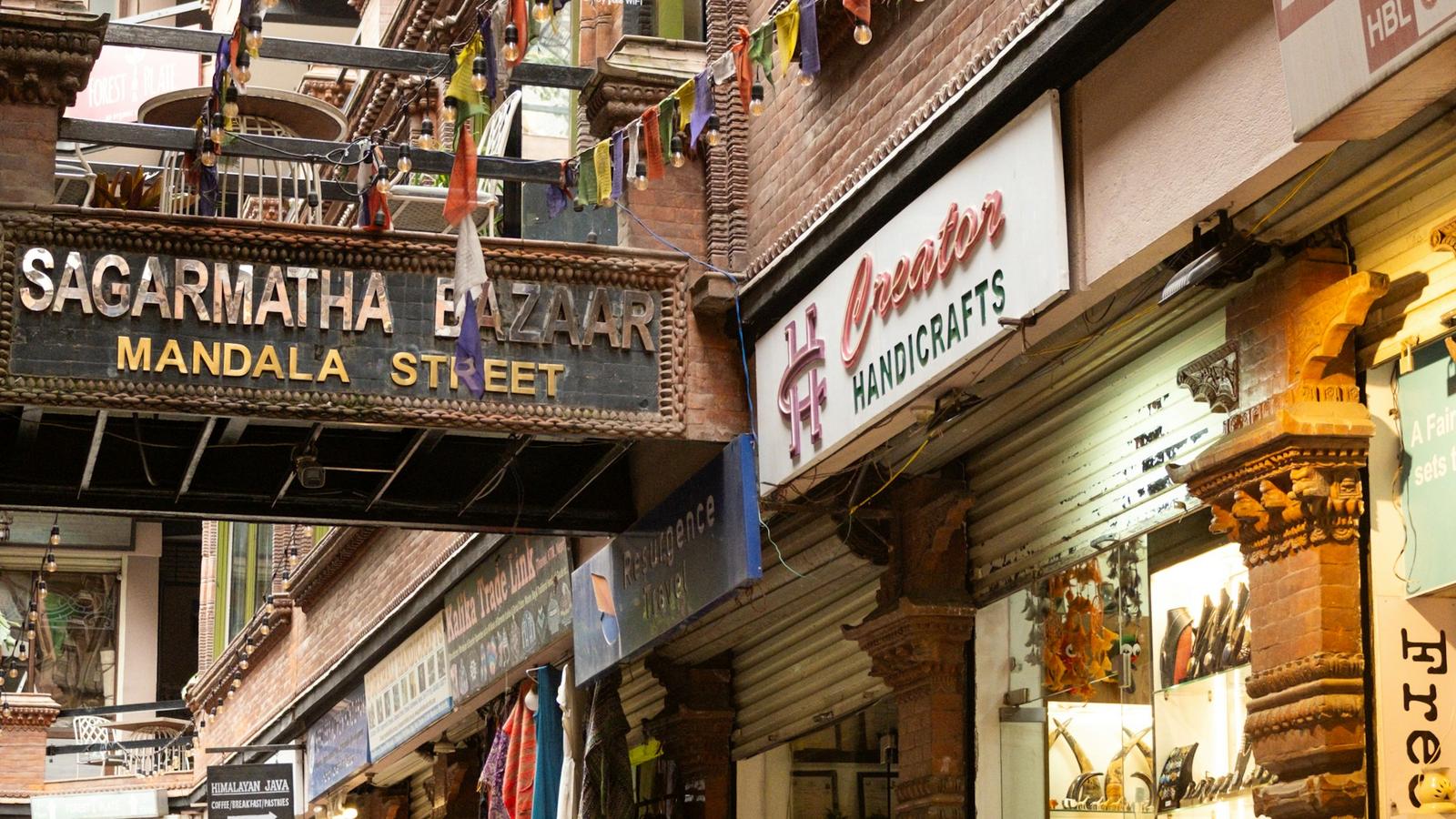
Thamel is Kathmandu's main visitor area: gear and handicraft shops, live music and bars, and old market streets leading south through Asan and Indra Chowk to Durbar Square. For the night, the UK government warns of pickpockets and bag-snatchers in Thamel, says assaults and robberies are more likely in the evening in poorly lit areas, and advises caution with drinks from strangers. Late-night hours have changed several times since 2024, so ask your hotel. Tourist Police: 1144, or the Thamel unit on 9851289453.

How much is the Pashupatinath entry ticket?

Pashupatinath charges NPR 1,000 per day per entry for foreign, SAARC (except Indian) and Chinese visitors; Indian and Nepali nationals enter free. Tickets are sold at four tourist counters: Guheshwori, Vatsaleshwori, Tilganga and Gate No. 3. The main temple is open to Hindus only, but the ghats are open to everyone. See our Pashupatinath temple guide.

What time is the evening aarti at Pashupatinath?

The evening Bagmati aarti, a worship ceremony with oil lamps, begins around dusk. It is held on the river bank opposite the main temple, and visitors of any faith can watch from the east-bank terraces. Published times differ between official sources, so check on the day and arrive in daylight to find a place on the steps.

Planning the rest of your Kathmandu days

The Garden of Dreams is one quiet stop in a busy city. For the rest of your days, go back to our guide to places to visit in Kathmandu for the main sights.

To see more of the city with us, look at our Kathmandu old city walking tour, our off-route Kathmandu Valley tour or our cultural heritage tours.

Message us on WhatsApp or use the enquiry form and we will reply with options.
Tags
Garden of DreamsKathmanduThamelKaiser LibraryRana historyplaces to visit in Kathmandu
Share
U
Uncover Nepal Team
Writer at Uncover Nepal
More in PlacesSee all Places