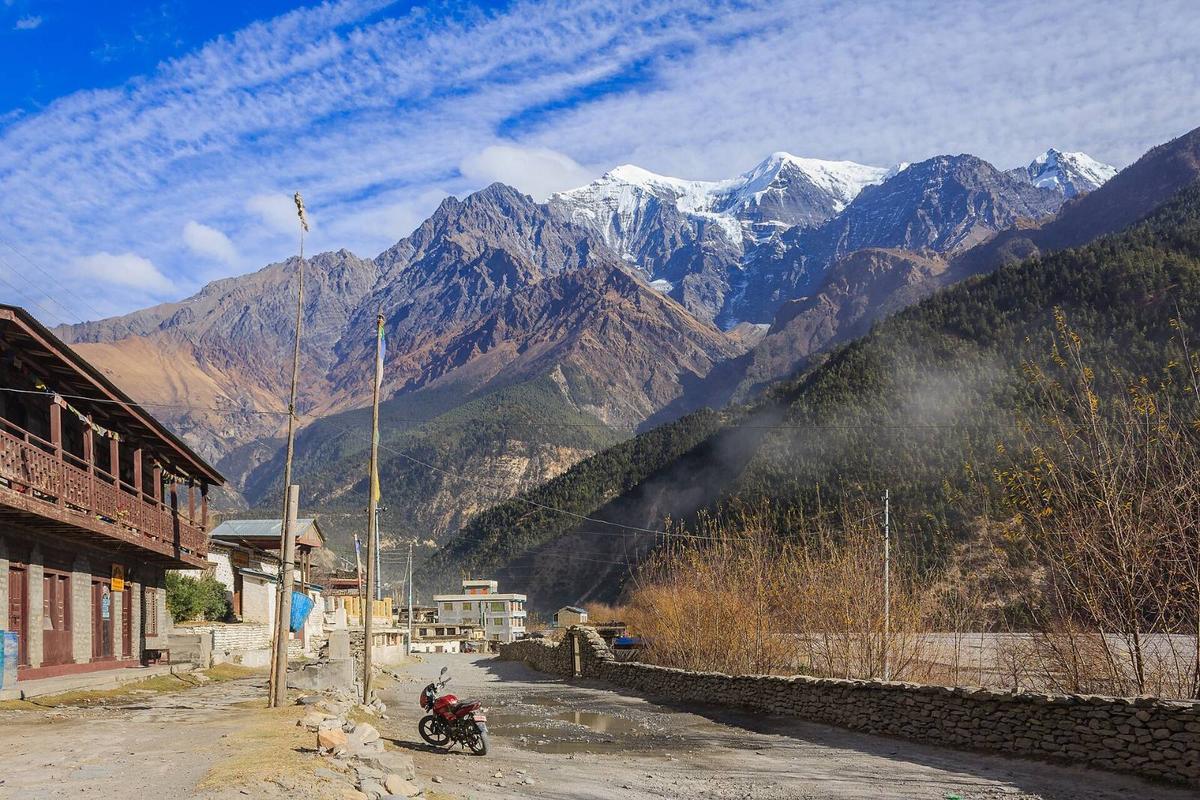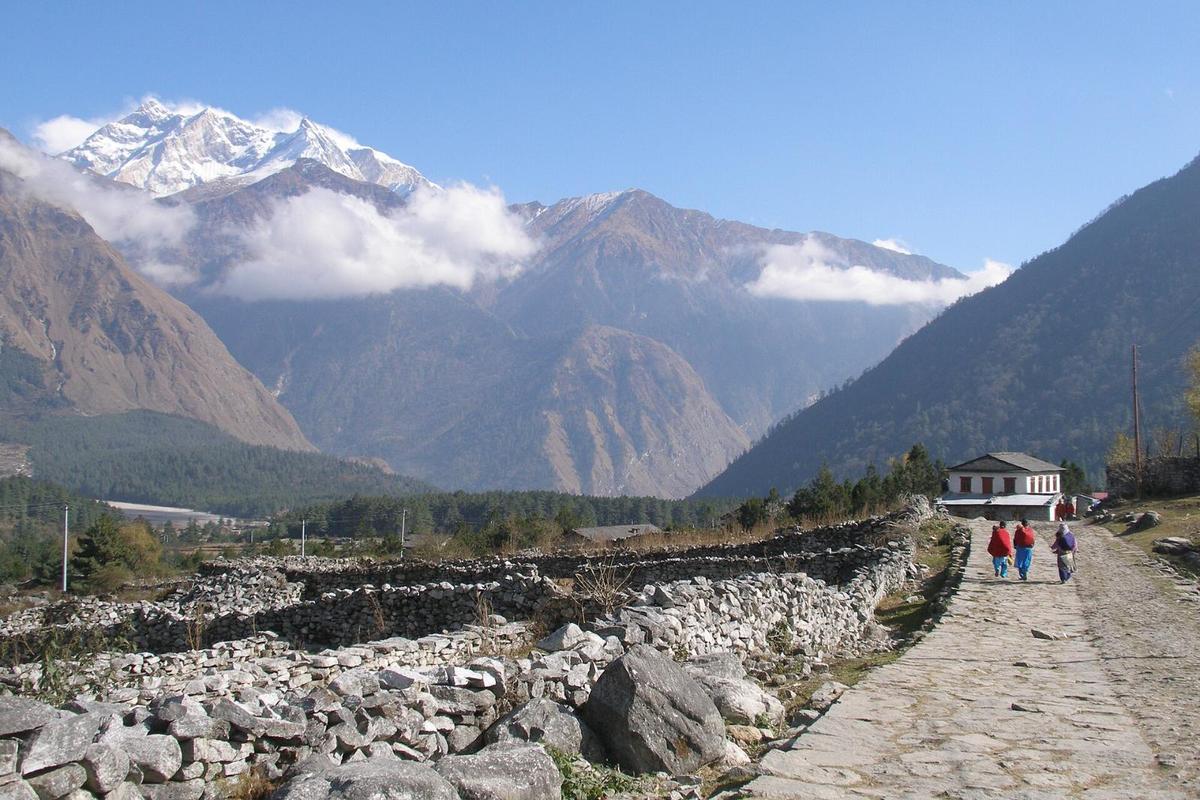
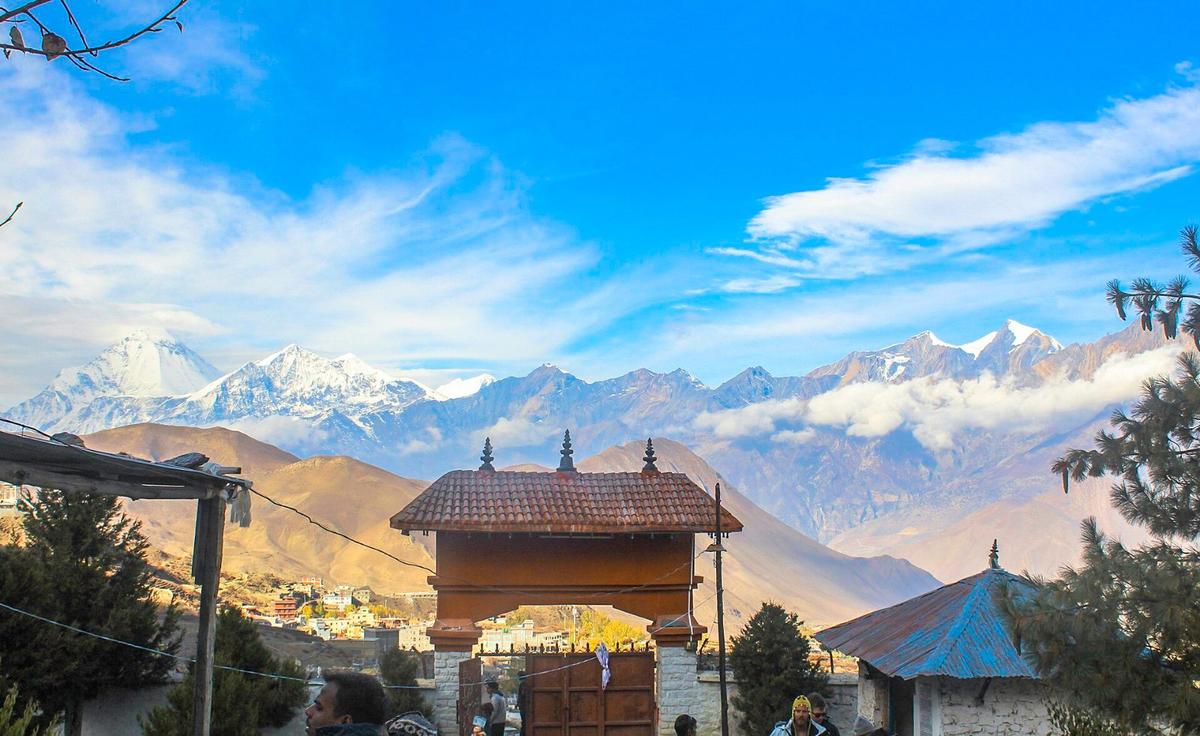
The road from Jomsom climbs through Kagbeni to Ranipauwa, the village where the road ends at Muktinath. There are conservation-area check posts along the way, and staff can ask to see your permit at any of them. Here is which permit, what it costs and where to get it.
By Uncover Nepal Guide · Checked by our Kathmandu travel team · Updated 15 Nov 2026
The only Muktinath permit you need is the ACAP entry permit for the Annapurna Conservation Area. It costs NPR 3,000 for foreign visitors, NPR 1,000 for SAARC nationals including Indians and NPR 100 for Nepalis. Children under 10 need none, and the fee doubles at a check post. Muktinath and Kagbeni need no restricted-area permit.
This page is part of our Nepal pilgrimage guide to Hindu and Buddhist sites and covers the permit only. For the temple itself, see our Muktinath Temple guide.
In this guide
- Which Muktinath permit do you need?
- Muktinath permit cost by nationality
- Where to get the ACAP permit
- Documents and rules on the permit
- ACAP check posts on the road to Muktinath
- Going beyond Kagbeni: the Upper Mustang permit
- Coming by helicopter
- Altitude at Muktinath, in brief
- Frequently asked questions
- Plan your trip with us
Key facts
- Permit for Muktinath and Kagbeni
- ACAP entry permit only; neither is in the restricted-area ward list (NTB trekking permit page and Jomsom-Muktinath page, undated; checked 16 November 2026)
- ACAP fee per person per entry
- NPR 3,000 foreign; NPR 1,000 SAARC, including India; NPR 100 Nepali; under 10 free (NTB park-fee page; NTNC e-permit portal, undated; checked 16 November 2026)
- Bought at a check post
- Double the fee; single entry only (NTNC e-permit portal, undated; checked 16 November 2026)
- Beyond Kagbeni
- Upper Mustang restricted-area permit, USD 50 per person per day (NTB trekking permit page, undated; checked 16 November 2026)
- Muktinath height
- About 3,800 m (NTB Muktinath page, undated; checked 16 November 2026)
Which Muktinath permit do you need?
You need one permit, the ACAP entry permit. ACAP stands for the Annapurna Conservation Area Project, and the National Trust for Nature Conservation (NTNC) issues the permit. The conservation area covers Mustang, including Jomsom, Kagbeni and Muktinath. Neither Kagbeni nor Muktinath is inside the Upper Mustang restricted area, so neither needs a special permit.
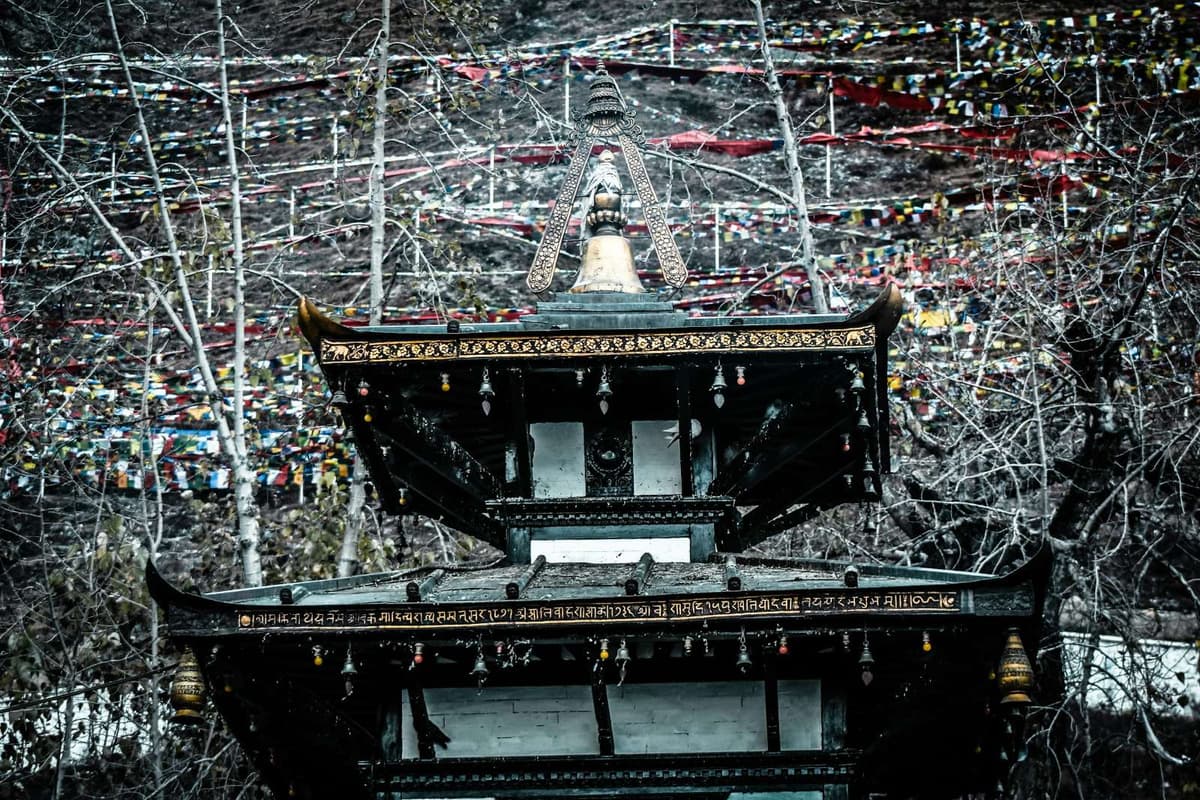
The line is drawn by ward. In Baragung Muktichetra rural municipality (gaunpalika, a local council area), only ward 3 and Satang village of ward 5 are in the restricted area, according to the Nepal Tourism Board (NTB). Muktinath and Ranipauwa are in ward 1 (The Kathmandu Post, 22 May 2025) and Kagbeni in ward 4 (Wikipedia).
Muktinath permit cost by nationality
The Muktinath permit cost depends on your nationality and where you buy it. NTB and NTNC give the same figures, per person per entry.
ACAP entry permit fees, checked 16 November 2026 (NTB park entry fees page; NTNC e-permit portal)
| Who | Office counter or online | At a check post |
|---|---|---|
| Foreign nationals | NPR 3,000 | Double (NPR 6,000) |
| SAARC nationals, including Indians | NPR 1,000 | Double (NPR 2,000) |
| Nepali citizens | NPR 100 | Not listed by NTNC |
| Children under 10 | No permit needed | No permit needed |
Paying online adds a 2.9% payment-gateway charge that you do not pay at a counter (NTNC).
Where to get the ACAP permit
Buy it in Kathmandu, in Pokhara or online before you set off, and you pay the normal fee. NTNC lists entry-permit counters in Kathmandu, Pokhara, Simpani and Ghasa, and the online e-permit means you need not visit a counter at all.
In Kathmandu, NTB names the Tourist Service Center at Bhrikutimandap, and NTNC lists its own Entry Permit Counter in Kathmandu. NTNC lists a counter in Pokhara but gives no street address, so check where it is first. Online, the NTNC portal takes Visa or MasterCard and emails the permit to you.
You can also buy it on the road, at a price.
"Double fees will be charged for permits issued at Check-Posts."
NTNC e-permit portal, checked 16 November 2026
Documents and rules on the permit
At the counter, NTNC says: "Please bring your passport or any valid identification to collect your permit." Its support page asks for a valid passport (for Indians, an Aadhaar card or voter ID) and your personal details, plus a recent photo for online payment only, not at the counter. The permit is valid for a single entry, cannot be transferred or refunded, and must be carried for the whole trip and shown to conservation-area staff when they ask. NTNC and NTB give no validity in days, so we do not either.
Entry into Nepal is separate and your own arrangement. For Indian travellers entering Nepal, NTB accepts a passport or Election Commission voter ID (with extra options for over-65s and under-18s), but not Aadhaar. So although NTNC takes Aadhaar for the permit, carry your passport or voter ID. Check NTB's tourist-visa page for the current list. If you drive an Indian-registered vehicle, the Embassy of India in Kathmandu says you also need a Nepal customs pass (bhansar) for a set number of days.
ACAP check posts on the road to Muktinath
NTNC lists ACAP offices and check posts in the Jomsom area at Ghasa (on the Beni to Jomsom road), Jomsom (an office and a check post), Kagbeni, Muktinath and, much further north, Lomanthang. NTNC asks you to register at the check posts along the route, so have the permit ready at each.
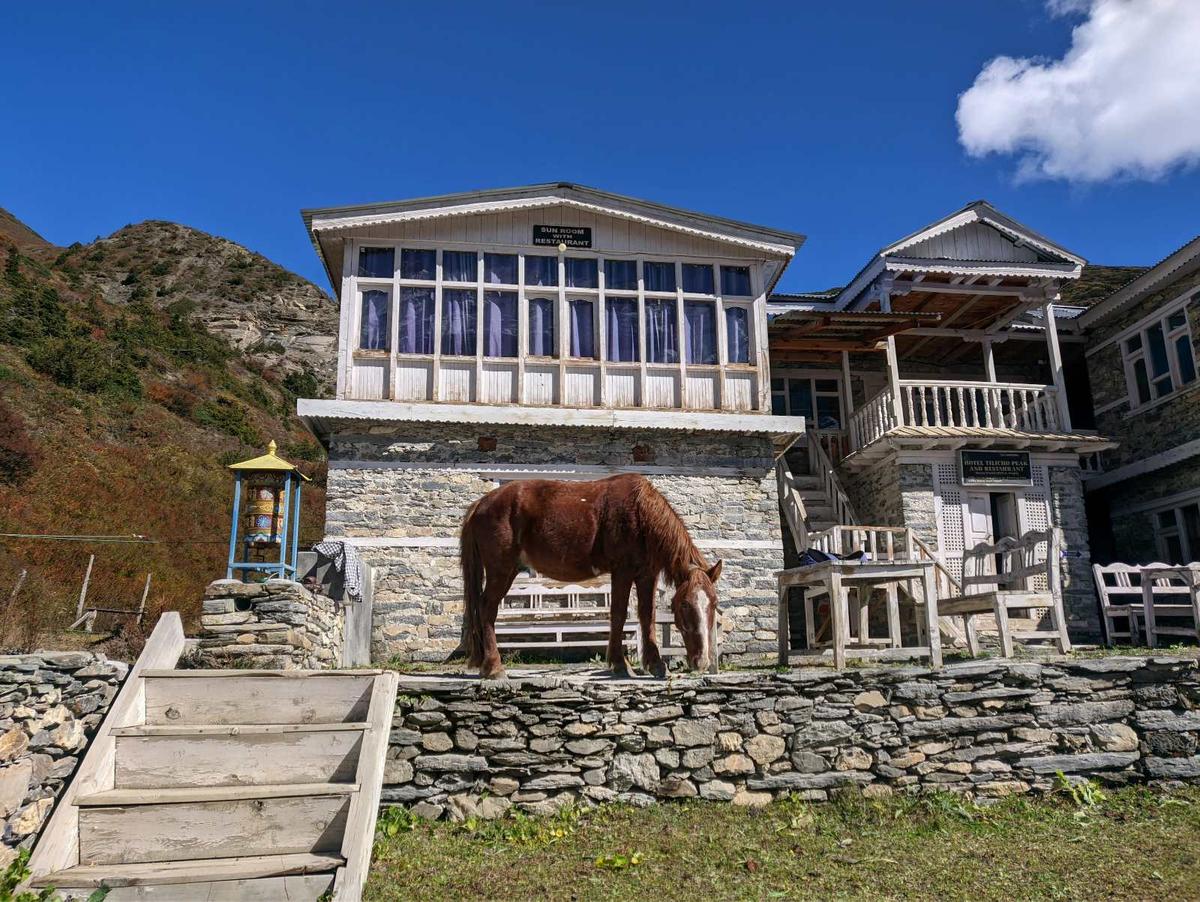
From Jomsom it is about 25 km to Muktinath: 13 km to Kagbeni, then 12 km of blacktopped road. Our Jomsom to Muktinath guide has more.
Reaching Jomsom is harder this season: regular Pokhara to Jomsom flights are suspended (Himal Press, 19 October 2026) and the Beni to Jomsom road has one-lane stretches (Gorkhapatra, 3 November 2026). Our Pokhara to Mustang guide has the detail.
Going beyond Kagbeni: the Upper Mustang permit
Kagbeni is as far as the ACAP permit alone takes you. The Upper Mustang restricted area begins north of it, at Chhusang.
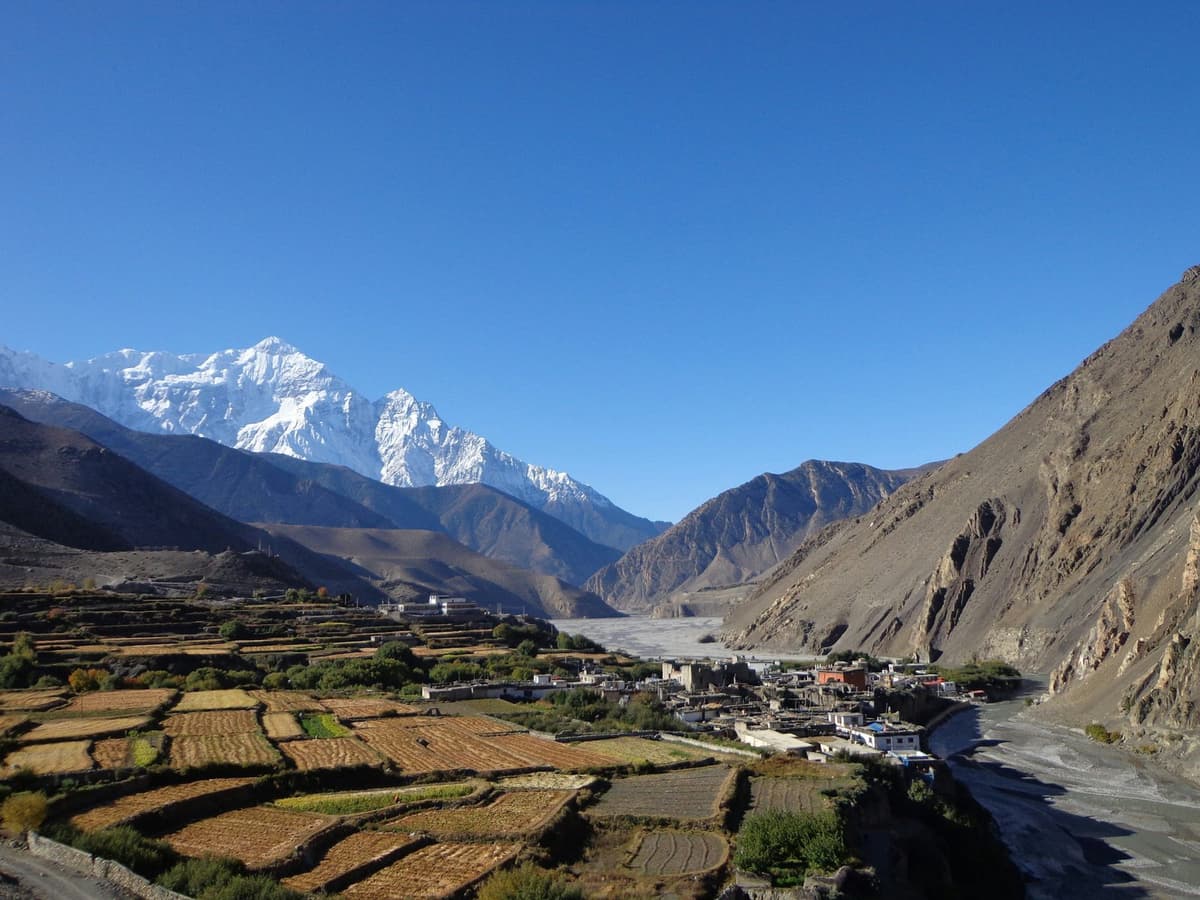
"This is the furthest trekkers are allowed to go towards Upper Mustang without a special permit ..."
Nepal Tourism Board, Jomsom-Muktinath page, checked 16 November 2026
The restricted-area permit costs USD 50 per person per day inside the zone (NTB), replacing the old USD 500 for 10 days (The Kathmandu Post, 20 November 2025). NTB lists no separate SAARC rate. It is issued only through a registered agency. Since 22 March 2026 solo trekkers can be issued one, but a licensed guide is still required (The Himalayan Times, 23 March 2026). You need ACAP as well. See our Upper Mustang and Lower Mustang guides.
Damodar Kunda
Damodar Kunda (kunda means a sacred pond or lake) is in Lo-Ghekar Damodarkunda Rural Municipality, all of which is restricted. So it needs the Upper Mustang permit and a licensed guide as well as ACAP. The Himalayan Times (21 August 2024) puts it at about 4,800 m, reached over a mountain at about 5,500 m. It is far harder than Muktinath, so ask us before you plan it.
Coming by helicopter
No official page we found says whether helicopter visitors are treated differently for the permit, so we will not state a rule. Muktinath is inside the Annapurna Conservation Area, and we arrange the ACAP permit on our trips. Ask us about helicopter trips.
Separately, The Rising Nepal reported on 4 October 2026 that tourists arriving by helicopter to visit religious sites in Mustang must be accompanied by at least one representative of a security agency. The report did not say who made the rule or name Muktinath.
Altitude at Muktinath, in brief
Muktinath is about 3,800 m (about 12,470 ft), according to NTB, and the CDC says altitude illness can affect anyone from about 2,450 m (8,000 ft). Our Mustang and Pokhara road tour sleeps at Jomsom, about 2,740 m, and visits Muktinath as a day trip. Our Muktinath altitude guide has more detail.
Frequently asked questions
Do I need a permit for Muktinath?
Yes, the ACAP entry permit, because Muktinath is inside the Annapurna Conservation Area. You do not need the Upper Mustang restricted-area permit, as Muktinath and Kagbeni sit outside that zone. Indians and other SAARC nationals pay NPR 1,000, other foreign visitors NPR 3,000 and Nepalis NPR 100. Children under 10 need no permit.
Can I buy the ACAP permit at the check post?
Yes, but NTNC charges double at check posts: NPR 6,000 instead of NPR 3,000 for a foreign visitor, and NPR 2,000 instead of NPR 1,000 for an Indian or other SAARC national. Buy it in Kathmandu, in Pokhara or online before you leave to avoid the extra charge.
Do I need the Upper Mustang permit for Damodar Kunda?
Yes. Damodar Kunda is in Lo-Ghekar Damodarkunda Rural Municipality, which is all inside the Upper Mustang restricted area. You need the restricted-area permit at USD 50 per person per day, issued only through a registered agency with a licensed guide, plus the ACAP permit.
When is the best time to visit Muktinath?
Most months work because Mustang is dry, but winter brings snow. Jomsom gets about 292 mm of rain a year (DHM normals, 1991 to 2020), and snow shut the Kagbeni to Muktinath road from 27 to 30 January 2026. Our best time to visit Muktinath guide goes month by month.
How high is Muktinath, and is it safe for elderly parents?
Muktinath is about 3,800 m, according to NTB, and altitude illness can affect anyone from about 2,450 m (CDC). Nobody can promise it is safe for everyone. Older travellers should see their doctor before the trip, go up slowly and come down if symptoms get worse. Our Mustang and Pokhara road tour sleeps at Jomsom, about 2,740 m.
How far is Jomsom to Muktinath, and what is the jeep fare?
About 25 km by road: 13 km from Jomsom to Kagbeni, then 12 km of blacktopped road to Muktinath. On foot, NTB gives about two hours to Kagbeni and three to four hours more to Muktinath. We found no published, dated jeep fare, so ask us for the current rate.
Plan your trip with us
For Muktinath the paperwork is simple: one ACAP permit, bought before you reach a check post. For permits across the country, see our Nepal trekking permits guide, and for other sacred sites, the Nepal pilgrimage guide.
Our Mustang and Pokhara tour by road visits Muktinath as a day trip from Jomsom, and our Mustang tour with flight and road flies between Kathmandu and Pokhara, with the Jomsom leg by road. Send us your dates on WhatsApp or through the enquiry form, and we will tell you honestly what fits.