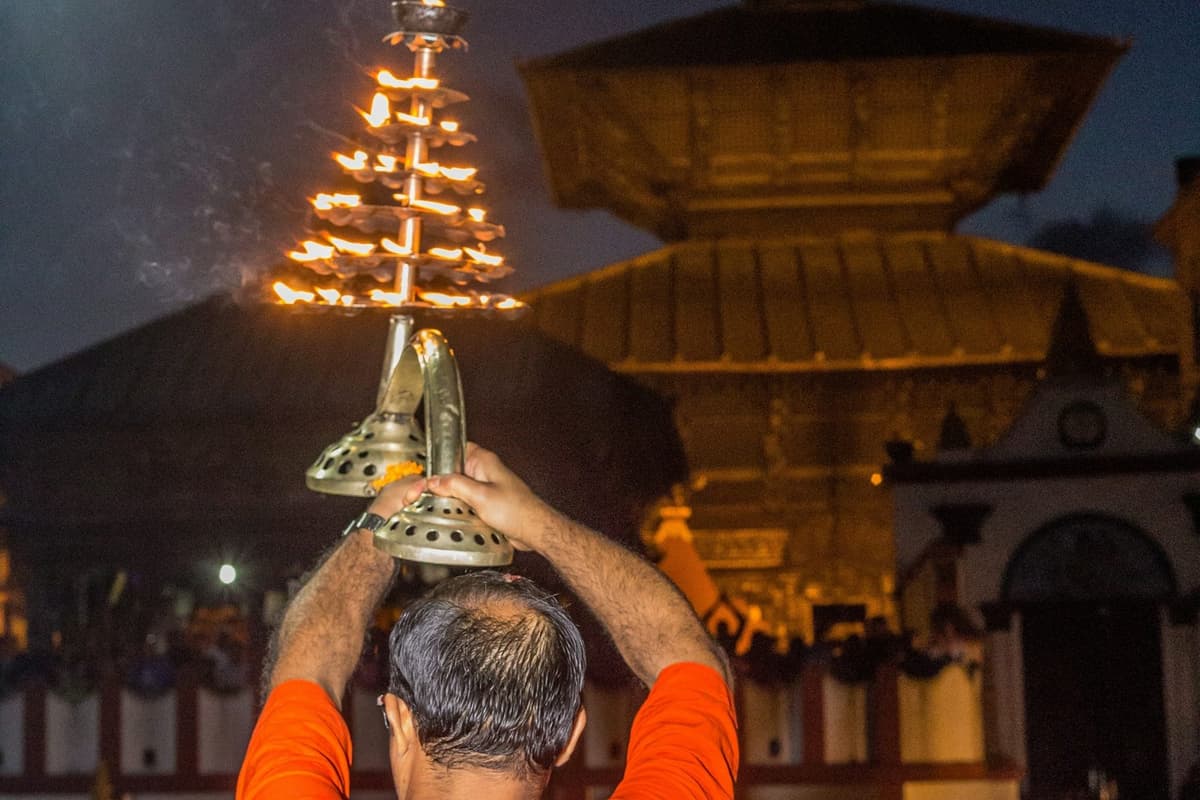
On a winter evening at Pashupatinath, a conch sounds beside the Bagmati River and priests raise oil lamps on the platforms by Arya Ghat. Smoke from the cremation pyres next to them drifts over the water. Across the river the stone terraces fill with people watching, while inside the temple gates Hindu devotees queue for a last darshan before the night puja.
Pashupatinath darshan begins at 4 am, when all four doors of the temple open and the first puja starts, and the last puja of the day is at 7:30 pm. Only Hindus may enter the main temple courtyard. Everyone can watch the evening Bagmati aarti from the east bank, around 6 pm in winter and 7 pm in summer.
This article is part of our guide to places to visit in Kathmandu. It is written for Hindu pilgrims coming for darshan and for visitors who watch from across the river.
Updated 22 Nov 2026
In this guide
- Pashupatinath darshan timings
- How to have darshan, step by step
- The evening Bagmati aarti
- Who can enter the main temple
- Dress code and temple rules
- At the cremation ghats
- Crowds and festival dates
- What to bring and getting there
- Frequently asked questions
- Plan your visit
Key facts
- Opening hours
- 4 am to 9 pm daily, as PADT gives them (PADT visitor FAQ, checked 23 Nov 2026)
- First and last puja
- Pratahkalin (morning) puja at 4 am; Shayan (night) puja at 7:30 pm (PADT visitor FAQ, checked 23 Nov 2026)
- Midday closure
- Gates close at 2 pm and reopen for the evening aarti (PADT temple page, checked 23 Nov 2026)
- Temple doors
- All four open together at 4 am, daily since mid-June 2024 (Republica and OnlineKhabar, June 2024, checked 23 Nov 2026)
- Bagmati aarti
- Around 6 pm in winter and 7 pm in other seasons; about an hour (PADT temple page and home page; Nepal Tourism Board, checked 23 Nov 2026)
- Main temple
- Hindus only (PADT visitor FAQ; Nepal Tourism Board, checked 23 Nov 2026)
- Watching the aarti
- Open to visitors of all backgrounds from the east bank (PADT visitor FAQ, checked 23 Nov 2026)
- Dress
- Modest and traditional; no shorts or sleeveless tops; shoes off at shrines; no leather inside (PADT visitor FAQ; Nepal Tourism Board, checked 23 Nov 2026)
- Entry fee
- Free for Indian and Nepali nationals; other nationalities pay a fee (Nepal Tourism Board heritage fees, checked 23 Nov 2026)
- Next big dates
- Bala Chaturdashi 7 Dec 2026 (Nepali calendars); Maha Shivaratri 6 Mar 2027 (Hamro Patro; Ministry of Home Affairs holiday list, checked 23 Nov 2026)
What are the Pashupatinath darshan timings?
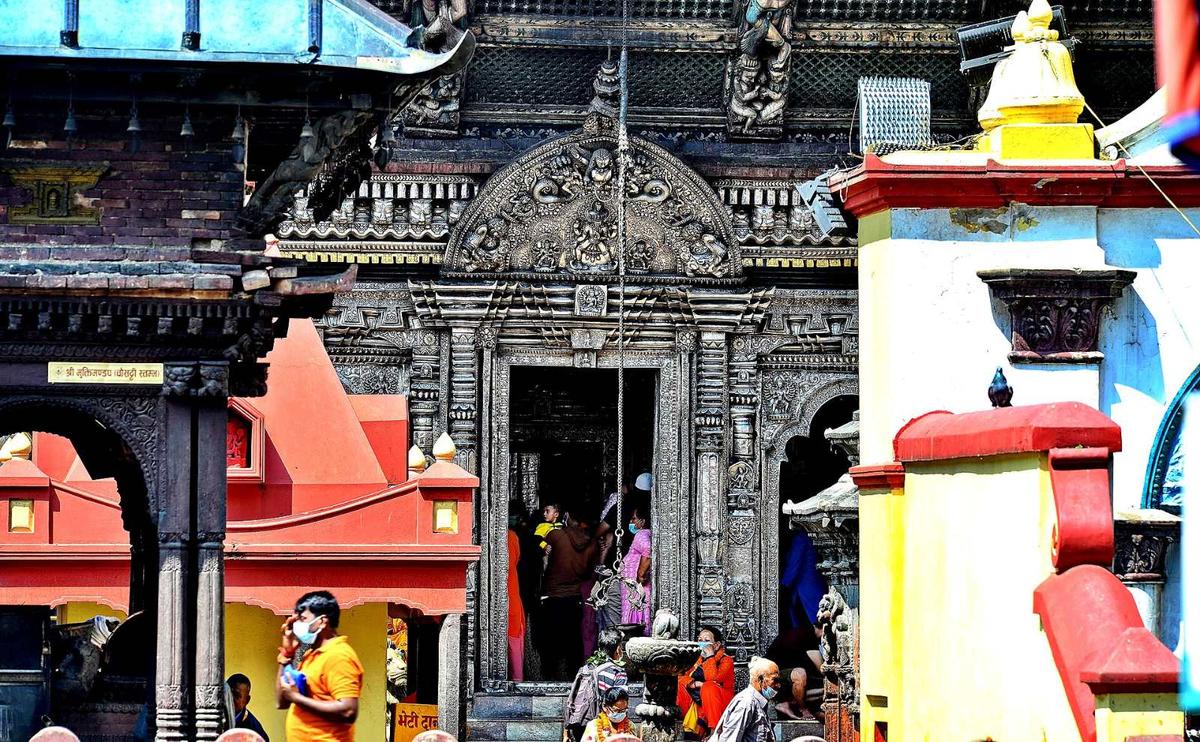
The Pashupati Area Development Trust (PADT), the government trust that runs the temple area, gives the hours as 4 am to 9 pm daily. Darshan starts with the morning puja at 4 am. PADT's temple page says the gates close at 2 pm and reopen for the evening aarti, and the last puja is at 7:30 pm.
Darshan means seeing the deity, here Shiva as Pashupati, and for most pilgrims it is the reason for the journey. PADT calls the 4 am puja the Pratahkalin (morning) puja and the 7:30 pm one the Shayan puja, which puts the deity to rest for the night.
Since mid-June 2024, all four doors of the main temple have opened together at 4 am every day. Before that, Republica and OnlineKhabar reported, only the main gate opened at 4 am and the other three waited until 8:30 am.
| Time | What happens | Who | Source |
|---|---|---|---|
| 4 am | Temple opens, all four doors open, Pratahkalin (morning) puja begins | Hindus, inside | PADT visitor FAQ; Republica, 2024 |
| 4 am to 7 am | Morning puja (listed) | Hindus, inside | PADT home page |
| 7 am to 12 noon | Mahabhishek (listed), with a special puja at 9:30 am | Hindus, inside | PADT home page; PADT temple page |
| Noon | Abhisheka, when holy water is sprinkled over devotees' heads | Hindus, inside | PADT temple page |
| 2 pm | Gates close | All | PADT temple page |
| From 5 pm | Western door opens for the evening aarti | Hindus, inside | PADT research officer in the Kathmandu Post, 2025 |
| 6 pm in winter, 7 pm in other seasons | Gates reopen for the evening aarti; the Bagmati aarti begins beside Arya Ghat and runs about an hour | Everyone, from the east bank | PADT temple page; Nepal Tourism Board |
| 7:30 pm | Shayan (night) puja; the home page lists a night aarti from 7 pm to 8 pm | Hindus, inside | PADT visitor FAQ; PADT home page |
| 9 pm | Closing time PADT gives | All | PADT visitor FAQ |
PADT's own pages give slightly different times; check at the gate. On 23 November 2026 its home page listed the evening aarti as 5 pm to 7 pm in one box and 6:30 pm to 7:30 pm in another, under the previous day's date. Times also change on festival days, when PADT opens the doors earlier.
If darshan is why you are coming, come in the morning. The doors are open from 4 am, and you avoid any doubt about the afternoon gates. Come back in the evening for the aarti.
How to have Pashupatinath darshan, step by step
For Hindu pilgrims, darshan here is simple once you know the order. If Pashupatinath is one stop on a longer temple day, our Kathmandu mandir guide for Indian visitors covers the others.
- Dress modestly and traditionally, and leave anything leather at the hotel (the rules are below).
- Carry the passport or ID you travelled with. PADT publishes no identity test, but if gate staff ask questions, answer calmly and follow their instructions.
- Take off your shoes before you enter any shrine.
- Join the queue at the gate. On Mondays and festival days the lines are longer.
- Inside, walk clockwise around the shrines, the traditional direction.
- Keep your phone in your pocket. Photography is banned inside the main sanctum.
- Make your offering and take darshan. Only the Bhatta priests, who perform the daily worship, may touch the linga.
Devotees bring flowers and other offerings. PADT does not publish a list of what may be carried in, so ask at the gate if you are unsure.
For a family puja, book in person at the Puja Booking Office inside the complex, or by phone during office hours (the number is on pashupati.gov.np). PADT publishes official rates; a Panchamrit Puja, for example, is listed at NPR 2,100 (INR 1,313). Its website shows links named Advance Booking and E-Darshan Counters, but on 23 November 2026 they led nowhere, and PADT lists no VIP or special darshan. We would avoid third-party sites that sell online darshan or pujas.
What time is the evening aarti at Pashupatinath?
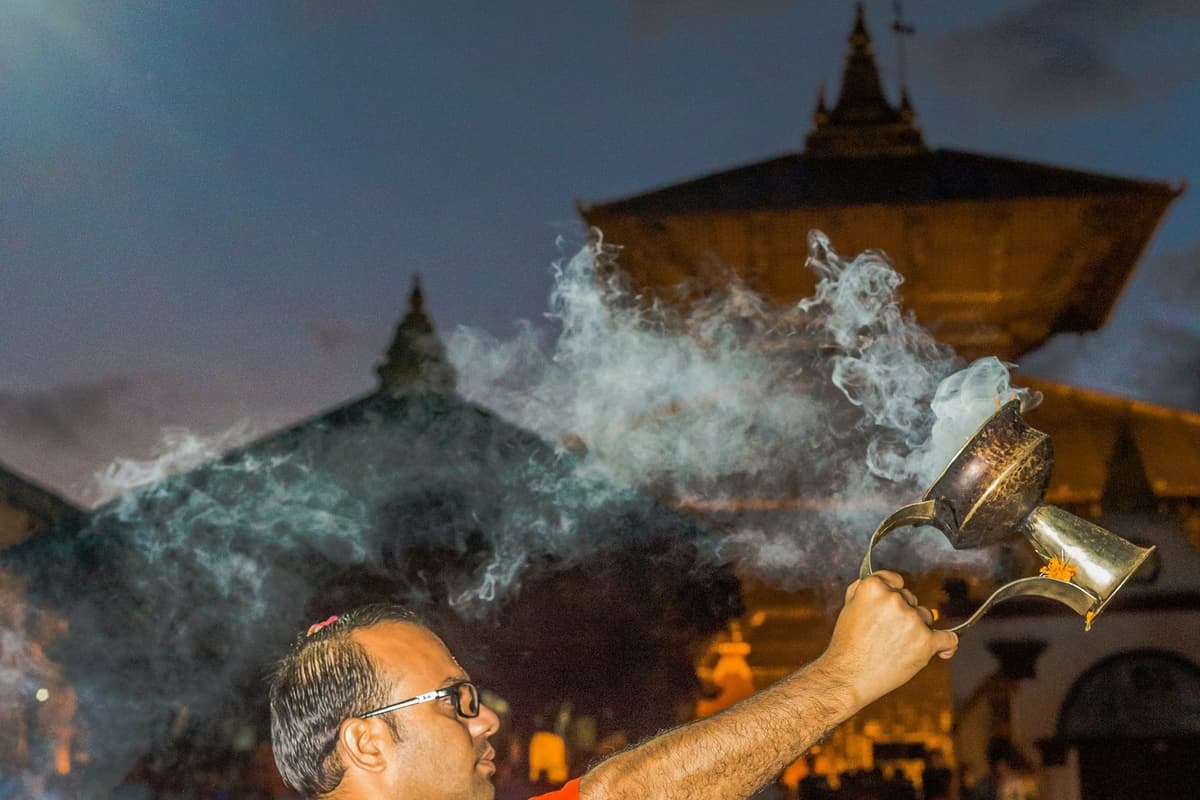
The Bagmati aarti starts after sunset: around 6 pm in winter, which includes late November, and around 7 pm in other seasons, according to PADT's temple page. It lasts about an hour. The Nepal Tourism Board (NTB) gives 6 pm and PADT's home page shows two other times, so check on the day and arrive early.
It is held on platforms on the bank of the Bagmati beside Arya Ghat, east of the main temple and right next to the cremation ground. PADT says visitors of all backgrounds may watch from the east bank, where the terraces are.
The aarti began in 2007, on the third Monday of Shrawan: The Himalayan Times reported the start day that November, and the Kathmandu Post gives the same year (NTB gives 2006). An aarti priest told the Post in 2025 that the idea came from Banaras (Varanasi). Usually three priests perform it with oil lamps, incense and lanterns, with hymns, chanting and music. Devotees started it, not PADT, and The Himalayan Times reported in 2007 and 2019 that a community aarti group ran it, with PADT overseeing it.
There are in fact three aartis each evening, the Post reported: one inside the temple, one in front of it and one on the riverbank. The riverbank aarti is the one everyone can watch; for Hindus, a PADT research officer told the paper that the Trust opens the western door from 5 pm. The ritual begins with a sankalpa (a vow) by the river, then the conch and bells, then copper ghee lamps, incense and lanterns. On the third Monday of Shrawan, the aarti's annual celebration, five priests perform five aartis.
Who can enter Pashupatinath Temple?
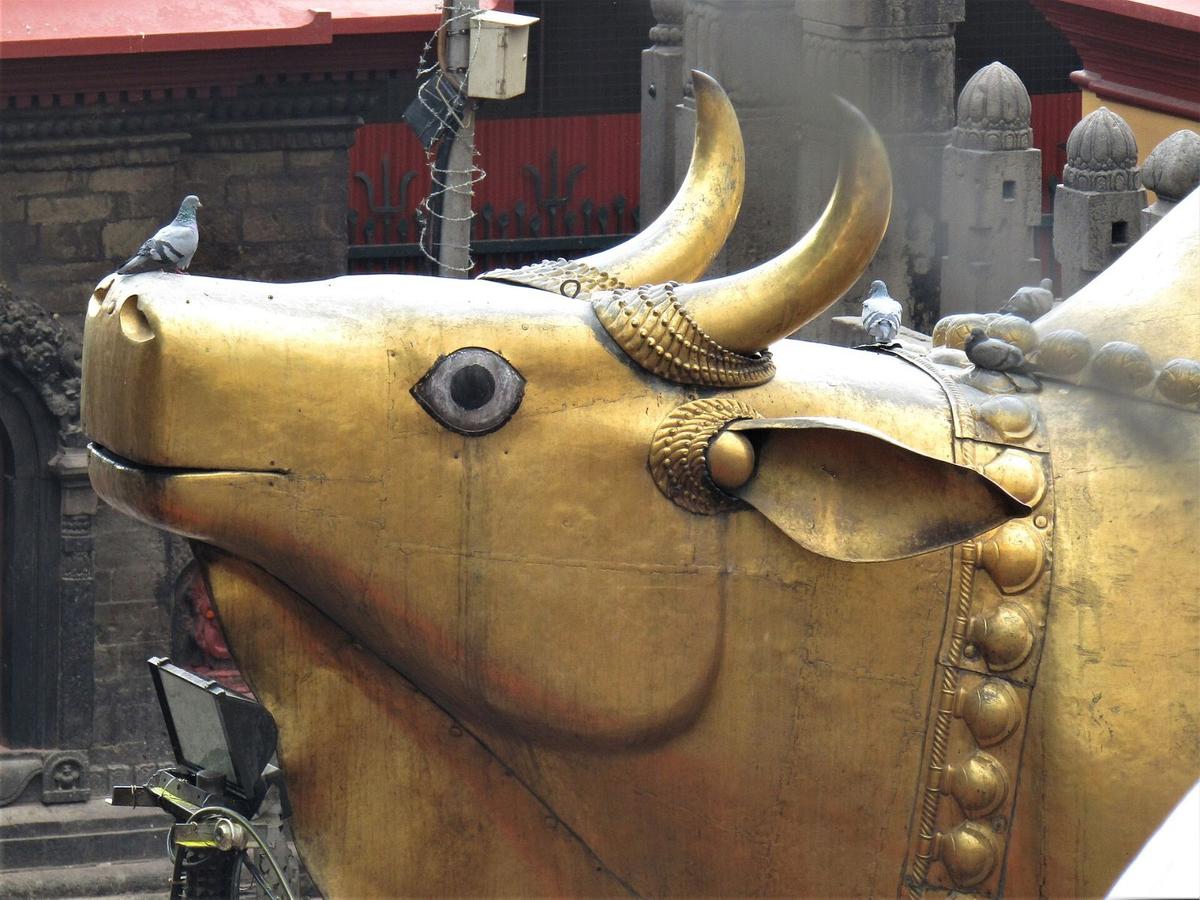
Only Hindus may enter the main temple courtyard. PADT says non-Hindu visitors are welcome in the Pashupatinath complex but the main sanctum is restricted to Hindus, and NTB says non-Hindus watch from the terraces across the river to the east. A ticket covers the wider area, not the main temple.
The nearby Guhyeshwari temple also refuses entry to non-Hindus. After an incident inside the main temple in October 2026 led to calls for tighter security, PADT issued an urgent press release on 7 October, so expect gate staff to be strict. PADT publishes no identity test, so do not assume your nationality, your appearance or the fee you paid settles the question. If you are a Hindu from outside South Asia, carry your passport, dress traditionally and follow what staff tell you.
Entry to the Pashupati area is free for Indian and Nepali nationals. That is a rule about nationality, not religion: a Hindu with a British or American passport pays the foreigner fee. Our Pashupatinath tickets and entry guide has the fees, and our Pashupatinath Temple visitor guide covers what non-Hindu visitors can see around the complex.
Pashupatinath dress code and temple rules
PADT does publish a dress code, and it is short:
"Modest and traditional dress is required. Shorts, sleeveless tops, and western casual wear are not permitted on temple grounds. Shoes must be removed before entering any shrine."
Pashupati Area Development Trust, visitor FAQ, pashupati.gov.np, 2026
In practice that means covered shoulders and long trousers, a long skirt, a sari or a kurta. PADT does not define "western casual wear", so if you are unsure, choose the more traditional option. Our guide on what to wear in Nepal has more on dressing for temples.
- Leather: NTB says leather items "that include shoes, belts and cameras are forbidden within the temple complex and must be left outside".
- Photography: PADT bans it inside the main sanctum and during religious ceremonies; the ghats may be photographed respectfully. PADT fines people caught photographing inside the main temple (a 2023 PADT notice, reported by PTI, set fines of Rs 500 to Rs 2,000).
- Phones and cameras: in 2022 PADT's spokesperson said big cameras are not allowed through the main gate, while mobile phones are.
- Drones: need prior written permission from PADT.
Read strictly, "during religious ceremonies" includes the aarti. Many people on the east bank photograph it anyway. If you do, use no flash, never point the camera at mourners, and put the phone away if anyone asks.
At the cremation ghats: how to behave
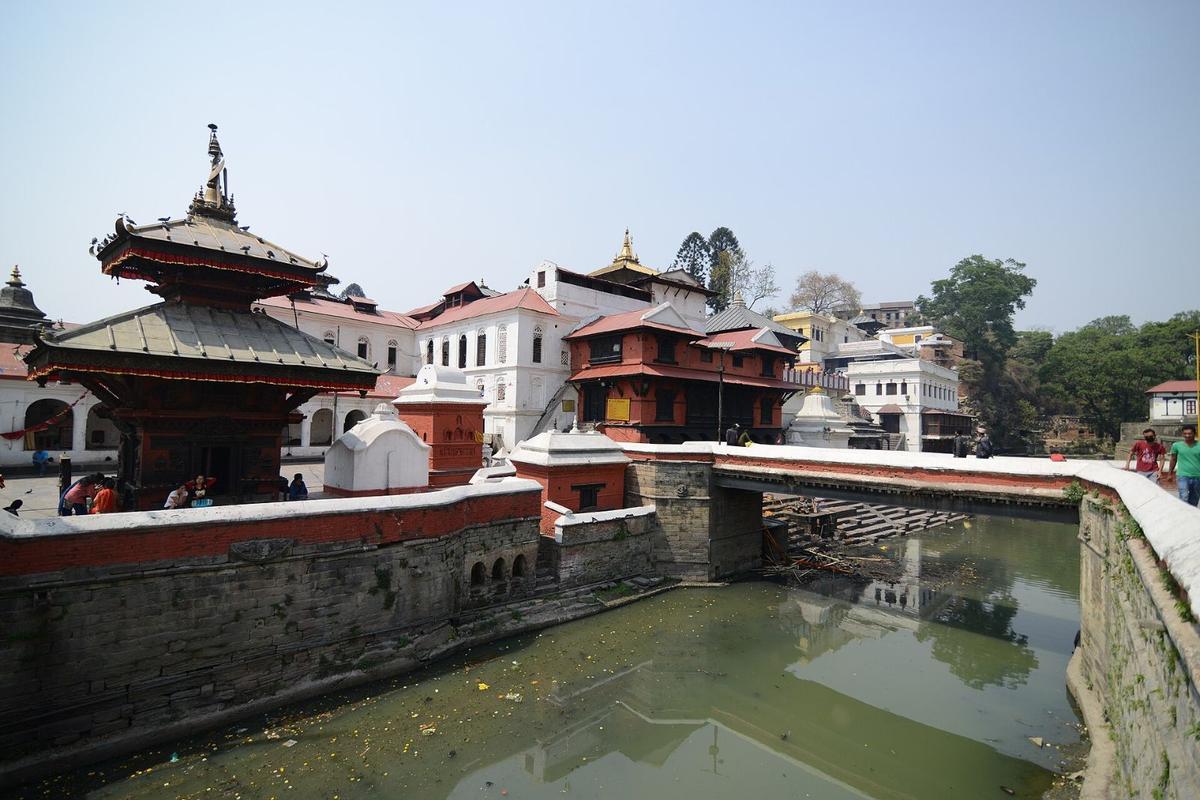
Arya Ghat is a working cremation ground. PADT runs Kiryaputri there, its last-rites service for bereaved families, around the clock. The aarti platforms are right next to it, so a family may be cremating a relative while the aarti goes on a few steps away. For them it is a private day of grief that happens in public.
A guide quoted by the Kathmandu Post in 2018 gave visitors one rule: do not "take photographs in such a way that you offend the people who are cremating their dead."
When is Pashupatinath most crowded?
Pashupatinath is busiest on Mondays, which are Shiva's day, on public holidays and at festivals, above all the Mondays of Shrawan (mid-July to mid-August), Haritalika Teej and Maha Shivaratri. On the biggest days PADT opens the doors in the small hours and runs several entry queues. For a quieter darshan, come early on another weekday.
| Occasion | Next date | What to expect | Source |
|---|---|---|---|
| Every Monday | Weekly | Shiva's day; larger crowds for darshan and the aarti | Nepal Tourism Board |
| Bala Chaturdashi | Monday 7 December 2026, with the vigil on the night of 6 December | All-night lamp vigil for the dead, seed scattering the next morning; also a Monday | Hamro Patro and Nepcalendar (calendar sources); check PADT notices |
| Maha Shivaratri | 6 March 2027 (public holiday) | The biggest day; in 2026 all four gates opened from 2 am, and more than one million devotees came in 2025 | Ministry of Home Affairs holiday list; Kathmandu Post, 2026 |
| Shrawan Mondays | Every Monday of Shrawan, mid-July to mid-August 2027 | In 2026, doors opened at 3 am, the temple stayed open to 8 pm and special worship ran only 8:30 am to noon | Spotlight Nepal, 2026 |
| Haritalika Teej | Early September 2027; the official date comes in the next government holiday list | A women's festival; in 2025 all four gates opened from 3 am | ekantipur, 2025 |
Bala Chaturdashi is the one to know about if you are in Kathmandu in early December. Nepali calendars put it on Monday 7 December 2026, with the all-night vigil on the night of Sunday 6 December. Families keep vigil with lamps for their dead, and the next morning devotees scatter satbij, seven kinds of grain, along a route through the Shleshmantak forest. Thousands attend.
In past years PADT has required registration and a fee for the lamp-lighting and asked people not to bring young children on the vigil night, and the district administration has banned meat and alcohol around Pashupati for about a week. PADT announces each year's arrangements a few days before; on 23 November 2026 it had not posted this year's notice, so check its notices before you go.
Before you go: what to bring and getting there
A darshan visit needs very little, but these few things save trouble at the gate and keep you warm through a winter aarti.
- Clothes that meet the dress code, plus a warm layer for the stone terraces after dark.
- Shoes that slip off easily, and no leather belt, shoes or camera bag.
- Your passport or the ID you travelled with.
- Nepali rupees in small notes for offerings.
- Something thin to sit on for the aarti.
- A bag that closes, kept in front of you in crowds.
- Drinking water, especially on festival days.
Pashupatinath lies about 5 km east of the city centre, according to NTB. PADT says a taxi from Thamel takes about 15 to 20 minutes and the nearest landmark is Gaushala Chowk in Chabahil; allow longer at rush hour.
Frequently asked questions
What are the Pashupatinath darshan timings?
Pashupatinath in Kathmandu opens at 4 am, when all four doors open and the morning puja begins, and PADT gives the closing time as 9 pm. PADT's temple page says the gates close at 2 pm and reopen for the evening aarti, and the last puja, the Shayan puja, is at 7:30 pm. Times change on festival days, so check at the gate.
What time is the Pashupatinath evening aarti?
The evening aarti on the Bagmati at Pashupatinath starts around 6 pm in winter and around 7 pm in other seasons, and lasts about an hour. PADT's own website shows more than one time, so check on the day. Arrive 30 to 60 minutes early for a good view from the east bank, and earlier on Mondays.
Can non-Hindus enter Pashupatinath Temple?
No. Non-Hindus may not enter the main temple courtyard at Pashupatinath in Kathmandu. PADT welcomes non-Hindu visitors to the wider complex, and anyone can watch the evening aarti from the east bank of the Bagmati. PADT says "the main sanctum is restricted to Hindus only", and a ticket covers the wider area, not the main temple.
What is the dress code at Pashupatinath Temple?
PADT requires modest and traditional dress, and says shorts, sleeveless tops and western casual wear are not permitted on temple grounds. Shoes come off before any shrine, and the Nepal Tourism Board says leather items, including shoes, belts and cameras, must be left outside the temple complex. Covered shoulders and long trousers or a long skirt are the safe choice.
Can I book Pashupatinath darshan online?
No. On 23 November 2026, PADT offered no online darshan booking and no VIP darshan on its website; you join the queue at the gate. For a puja, book in person at the Puja Booking Office inside the complex or by phone during office hours. Avoid third-party websites that sell online darshan or unofficial pujas.
Is Pashupatinath crowded on Mondays?
Yes. Monday is Shiva's day, and the Nepal Tourism Board says crowds are larger on Mondays, public holidays and festivals, for both darshan and the aarti. The busiest days are the Mondays of Shrawan, Haritalika Teej and Maha Shivaratri, and Bala Chaturdashi, on 7 December 2026, also draws thousands. For a quieter visit, come early on another day.
Plan your Pashupatinath visit with us
You do not need a tour for darshan or the aarti; many pilgrims come on their own by taxi. If you are fitting Pashupatinath into a few days in the city, our guide to places to visit in Kathmandu helps you plan the rest. If you would rather go with us, these trips include Pashupatinath:
Send us a WhatsApp message or use the enquiry form with your dates, and our Kathmandu team will help you plan.