




Explore by activity
Not listed yet

We run Motorbiking & Overland trips — we just haven’t put the itinerary on the site yet. Tell us your dates and we’ll send a costed day-by-day plan.

Explore by experience
Explore by region
by gomayu
Search Tours or Places

Annapurna Base Camp Trek Difficulty: How Hard Is It?

13 min read Posted 28 Oct 2026Updated 28 Oct 2026
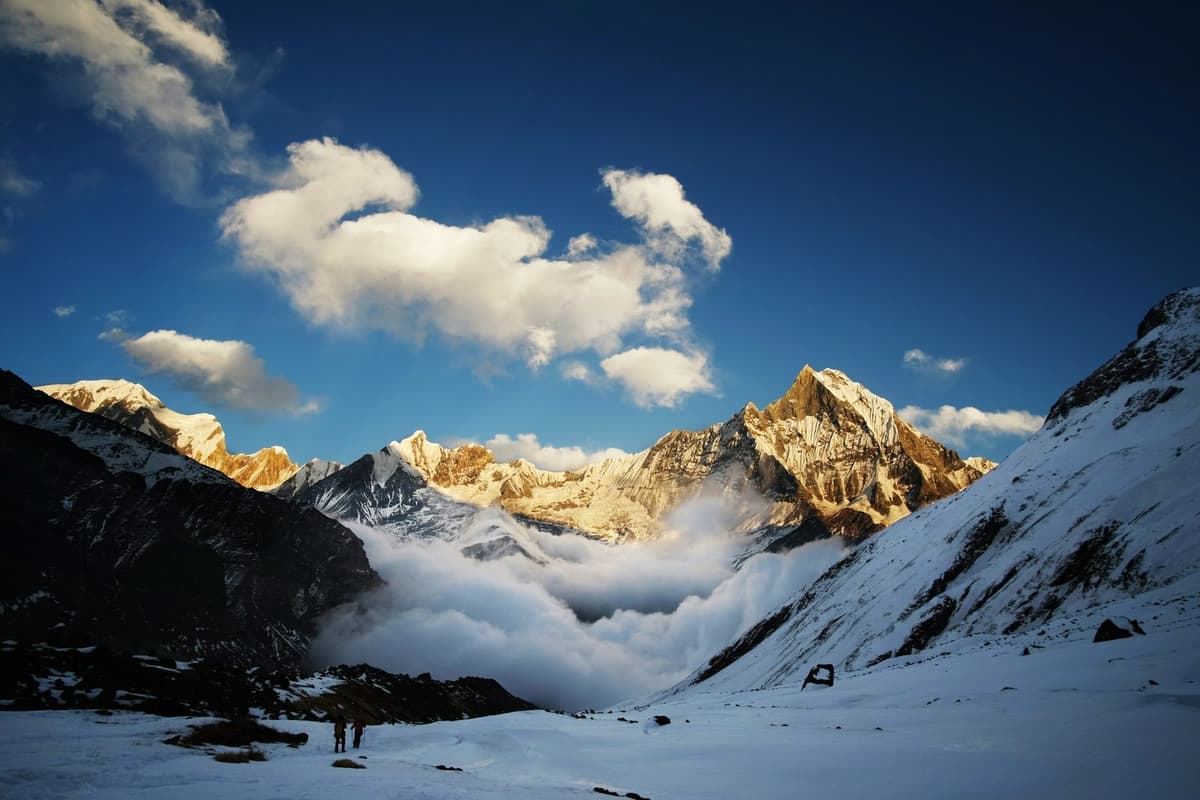
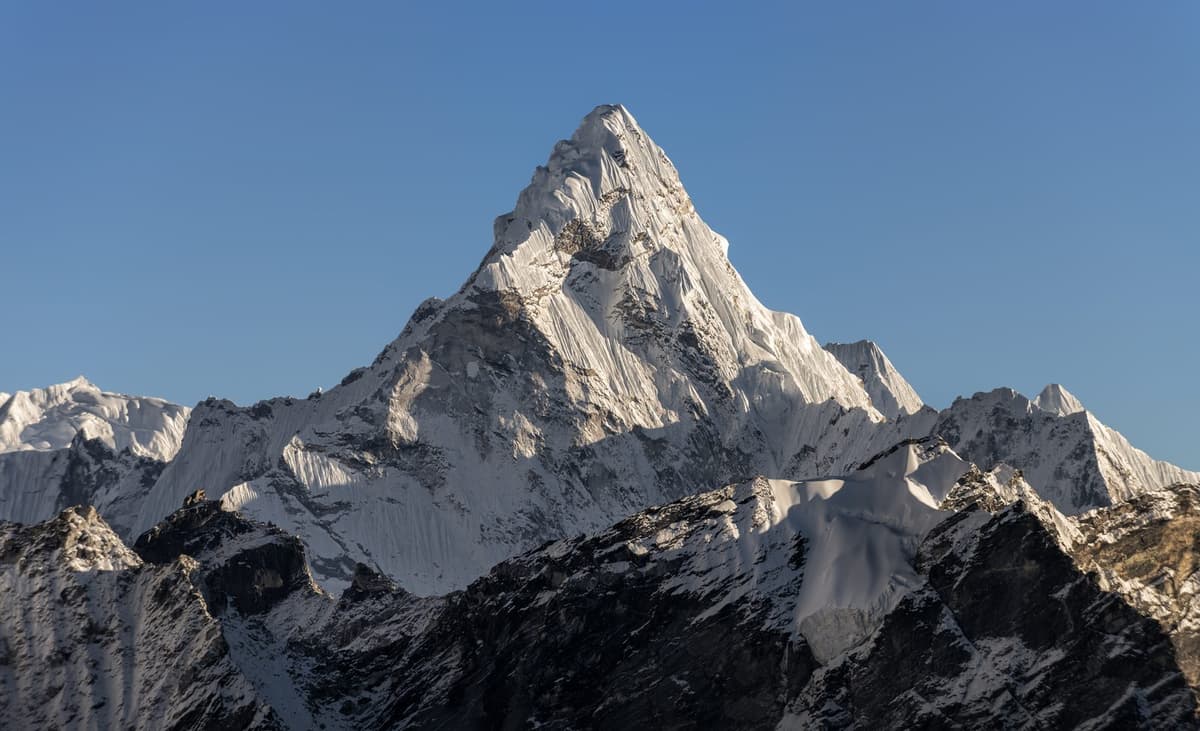
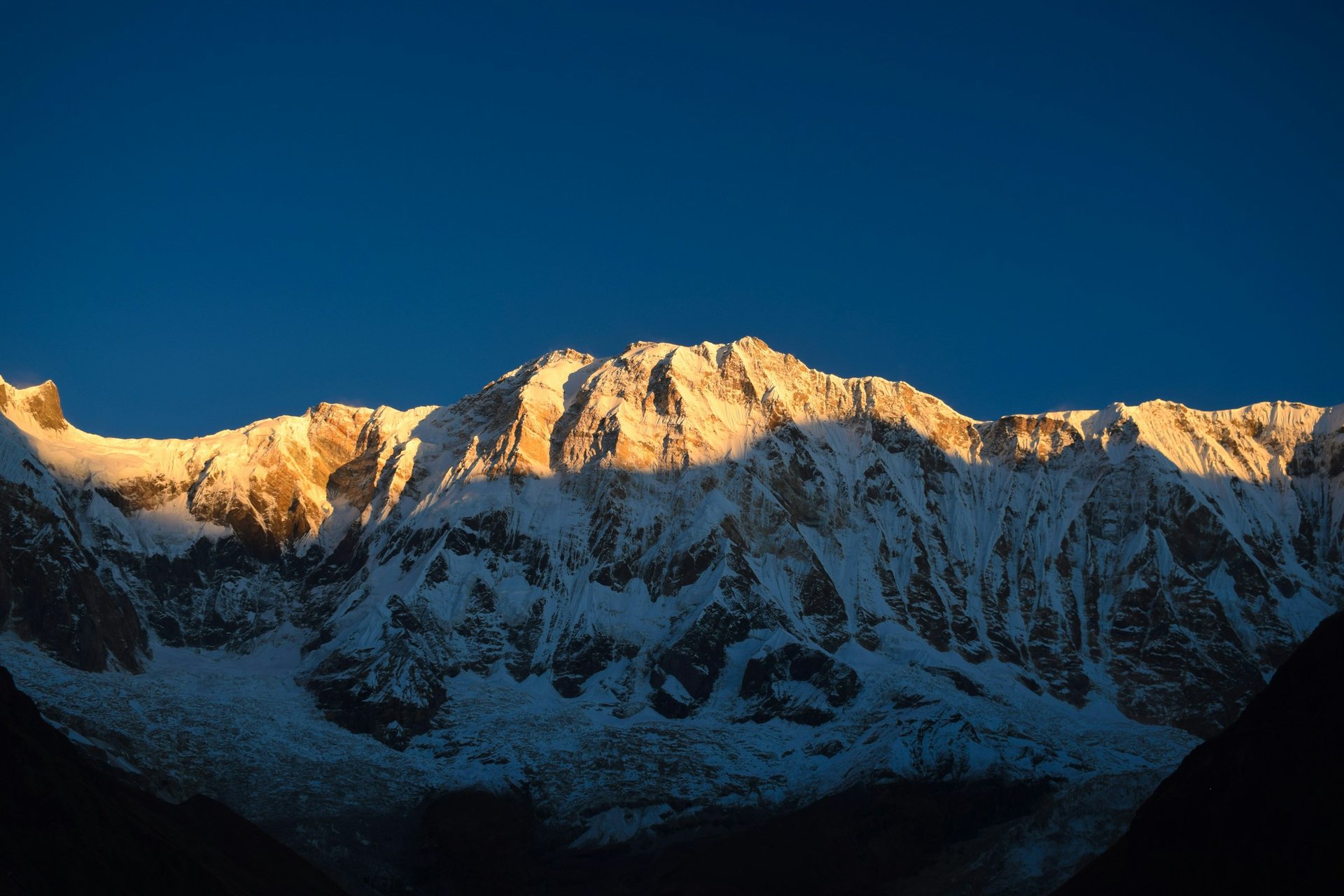
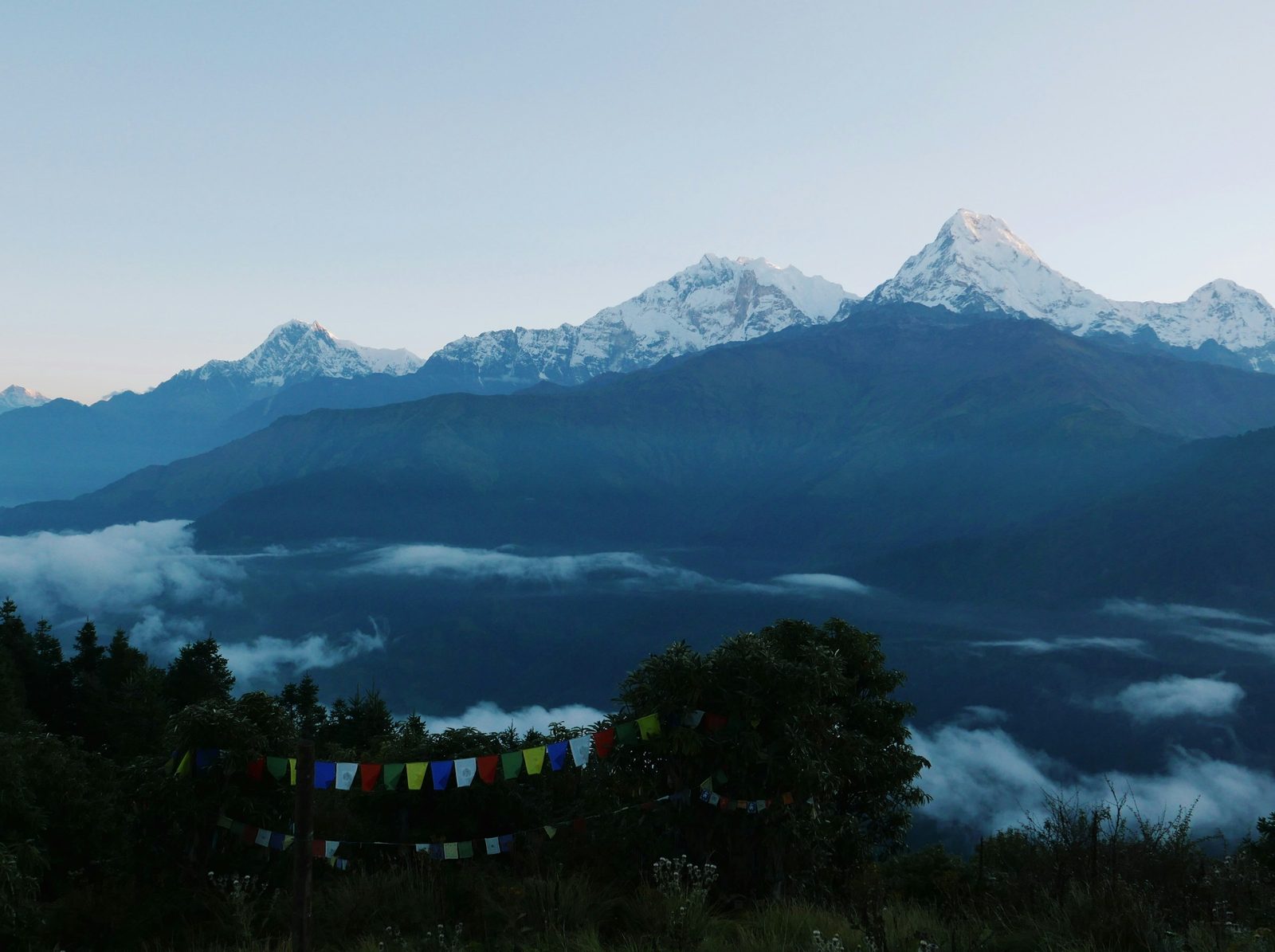
Sunrise lighting Annapurna I above Annapurna Base Camp, the 4,130 m high point that shapes the Annapurna Base Camp trek difficulty

By Uncover Nepal Team · Checked by our Kathmandu travel team · Last checked 28 October 2026

The trail climbs out of the forest and the valley opens into a wide bowl of ice and rock. Annapurna I, a peak of 8,091 m, fills the head of it. Nothing on the way needs mountaineering skills. What it asks for is steady legs, day after day.

Annapurna Base Camp trek difficulty is moderate: trekking companies grade it "moderate" or "moderately challenging", though Nepal has no official difficulty scale. Expect most days of about 5 to 7 hours on foot, long flights of stone steps and a high point of 4,130 m. A fit beginner who trains and walks slowly can do it.

Our Annapurna Base Camp trek page has the full route.

Key facts

Trek high point
Annapurna Base Camp (ABC), 4,130 m (Desk-verified figure; KE Adventure agrees, 28 Oct 2026)
Difficulty grade
"Moderate" or "moderately challenging" in operator grading; Nepal has no official scale (KE Adventure; Bikat Adventures, 28 Oct 2026)
Typical walking day
About 5 to 7 hours on most days (Operator itineraries (KE Adventure, Bikat Adventures), 28 Oct 2026)
Machhapuchhre Base Camp (MBC)
About 3,700 m, the figure operators use (Yak and Yeti Treks; Bikat Adventures, 28 Oct 2026)
Altitude illness can start from
About 2,450 m (CDC Yellow Book (desk-verified October 2026))
Main avalanche zones
Hinku Cave to Deurali; MBC to ABC (OnlineKhabar (3 Sep 2024), 28 Oct 2026)
Highest avalanche risk
December to February; March to early April still risky (OnlineKhabar (3 Sep 2024), 28 Oct 2026)
Annapurna Conservation Area Project (ACAP) entry permit
NPR 3,000 foreign; NPR 1,000 SAARC; children below 10 free (Nepal Tourism Board, 28 Oct 2026)
Guide on our trips
A licensed guide walks with you on every trek we run (UncoverNepal, 28 Oct 2026)

In this guide

  • Annapurna Base Camp trek difficulty in plain words
  • How long you walk each day
  • The stone steps around Chhomrong
  • Altitude and how to handle it
  • Deurali to ABC: the avalanche-prone section
  • Weather by season
  • A training plan
  • Who the trek suits
  • ABC compared with Poon Hill, Mardi Himal and Everest Base Camp
  • Rescue and insurance
  • Frequently asked questions

Annapurna Base Camp trek difficulty in plain words

The ABC trek is a moderate, non-technical walk that ends at 4,130 m. It is harder than a hill walk at home because of long days, many climbs and descents on stone steps, and real altitude near the top. There is no high pass to cross.

Nepal has no government difficulty scale, so every grade comes from a trekking company. Bikat Adventures grades ABC "Moderate", and KE Adventure, a UK operator, calls it "moderately challenging" with low technical difficulty. Treat any grade as a rough guide.

The hard part is not one big climb but consistency: long days and repeated ups and downs. You lose height you have just gained, then climb it again. Higher up, the altitude adds to the effort.

How long do you walk each day?

On most itineraries you walk about 5 to 7 hours a day, so you need to be comfortable on your feet from breakfast to mid-afternoon. Companies split the days differently, so hours vary by itinerary. The walk from MBC up to ABC is the shortest stage, about 1½ to 2 hours on one operator's plan.
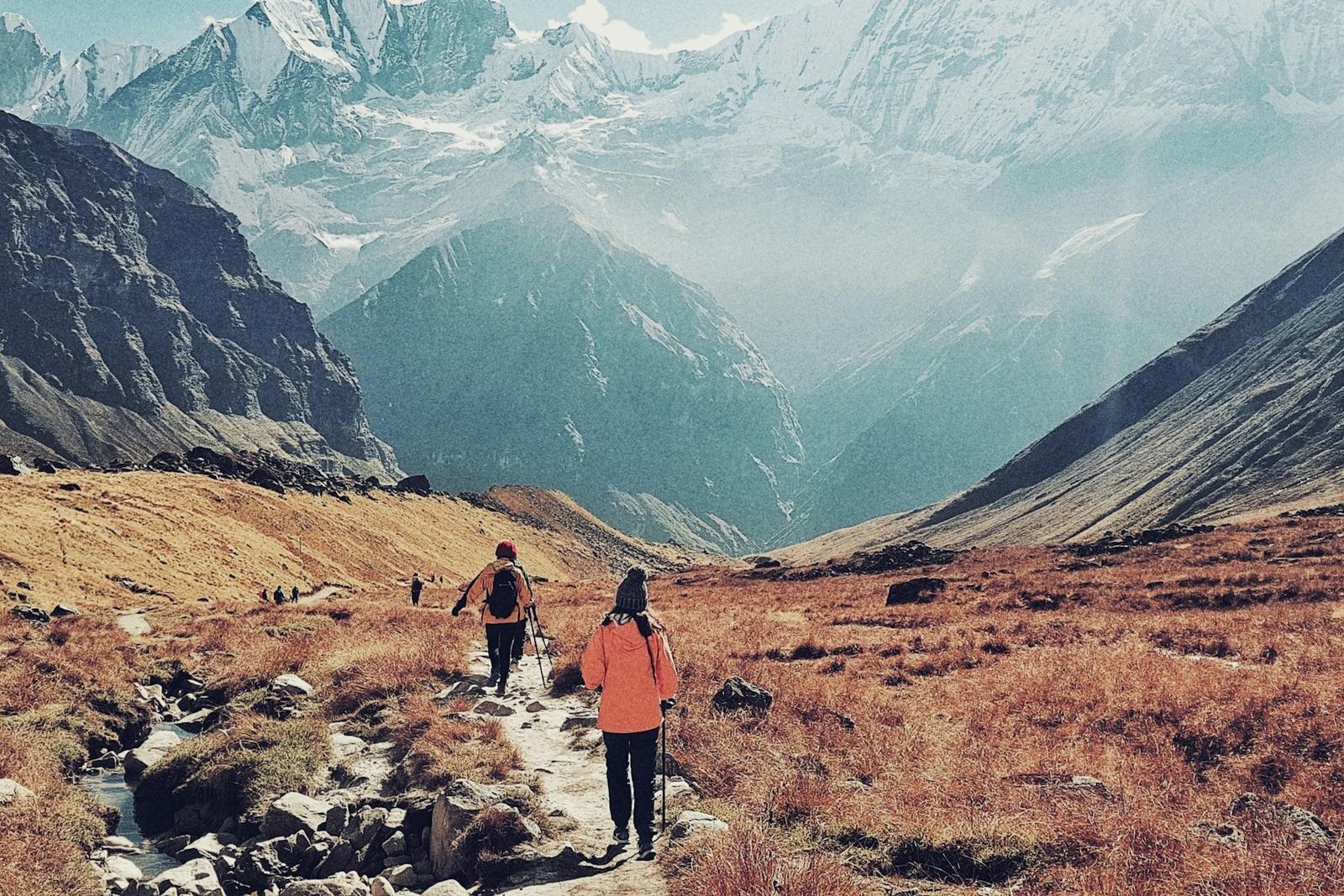
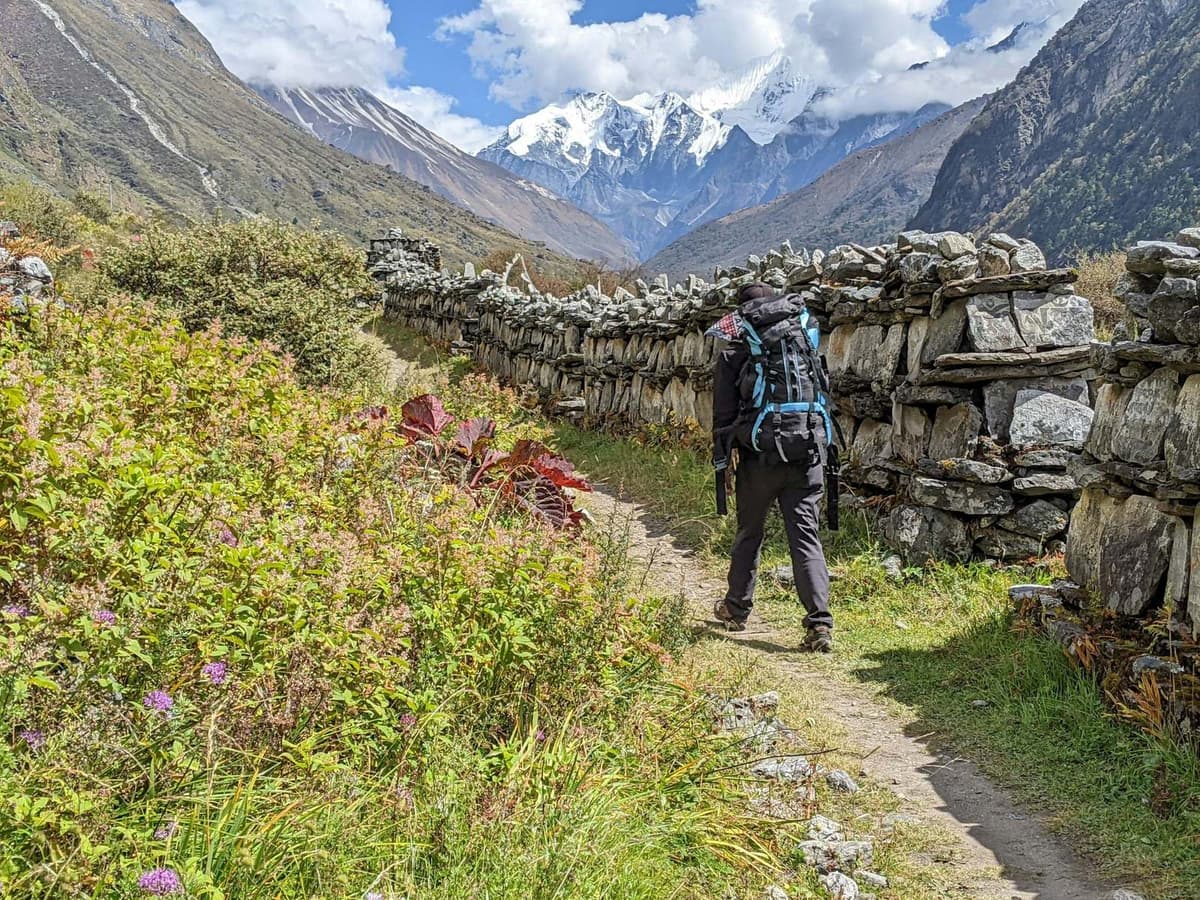
Two trekkers with poles on a stone path through high grassland in the Annapurna Sanctuary, snow peaks ahead
Most days on the trail are long, steady walks rather than technical climbs.

The trek starts near Pokhara. From Kathmandu, that is most of a day by road, often six to nine hours with traffic and roadworks, or about 30 minutes by air. Jeep roads now reach closer to the trail than they used to, and total distance depends on where you start, so we do not quote one figure.

Base camp at 4,130 m sits roughly 1,800 m above Bamboo, at about 2,310 m. That is simply the difference between the two heights, spread over several days of walking, not one day's climb.

The stone steps around Chhomrong

KE Adventure warns of "some steep ascents and descents, particularly on the approach to and from Chomrong", and adds: "The stone steps can be tough on the knees, so trekking poles are recommended." Chhomrong (also spelt Chomrong) is a village on the route that most itineraries pass on the way up and down.

Operators also mention stone steps from Phedi when the trek starts there, and a stone staircase up to the lodges at MBC.

How to make the steps easier:

  • Use trekking poles, especially going down.
  • Take short steps and let your poles take some weight on descents.
  • Train on stairs before you come.

Some routes return through Ghandruk, covered in our guide to Ghandruk village.

Altitude: how high does the ABC trek go?

The ABC trek goes to 4,130 m, high enough for altitude illness, which can start from about 2,450 m. Going up slowly, drinking water and telling your guide early about any symptoms keep the risk low. The table and steps below show where the height matters and what to do about it.

Point on the route Height What it means for you
Bamboo about 2,310 m Just below the altitude-illness line
Hinku, avalanche site between Himalaya and Deurali about 3,200 m Press figure for the 2020 avalanche site, not a village
Machhapuchhre Base Camp (MBC) about 3,700 m Operator figure; no official height
Annapurna Base Camp (ABC) 4,130 m The high point of the trek

We leave out heights for Chhomrong, Sinuwa, Dovan, Himalaya and Deurali because the sources disagree or rest on one company. Bamboo to MBC is a bigger jump than the sleeping-height rule below allows, so itineraries that sleep at Himalaya or Deurali on the way up follow it more closely.

How to stay well at altitude:

  1. Go up slowly. Above 3,000 m, do not raise your sleeping height by more than about 500 m a night, and plan a rest day every 3 to 4 days.
  2. Walk slowly. Guides say "bistarai, bistarai", Nepali for "slowly, slowly".
  3. Drink water through the day.
  4. Avoid alcohol for the first days at height.
  5. Know the symptoms: headache, nausea, tiredness and poor sleep.
  6. Never go higher with symptoms. If they get worse, go down.
  7. Ask your doctor before the trip about preventive medicine such as acetazolamide.
  8. Garlic soup and hot soups are a comforting local habit that helps you drink more, not a proven cure.
  9. Severe signs, such as confusion, breathlessness at rest or unsteady walking, mean descend at once. Our guide arranges a rescue if needed.

For more detail, read how to avoid altitude sickness.

Deurali to ABC: the avalanche-prone section

OnlineKhabar names two main avalanche zones: Hinku Cave to Deurali, a steep, narrow stretch of valley, and MBC to ABC, where steeper slopes can release snow, rock and ice, especially after snowfall. Around Sinuwa and Bamboo the slopes are less steep, though small landslides can follow rain or snowmelt. The risk is highest from December to February, and March to early April stays risky while snow remains and melts.
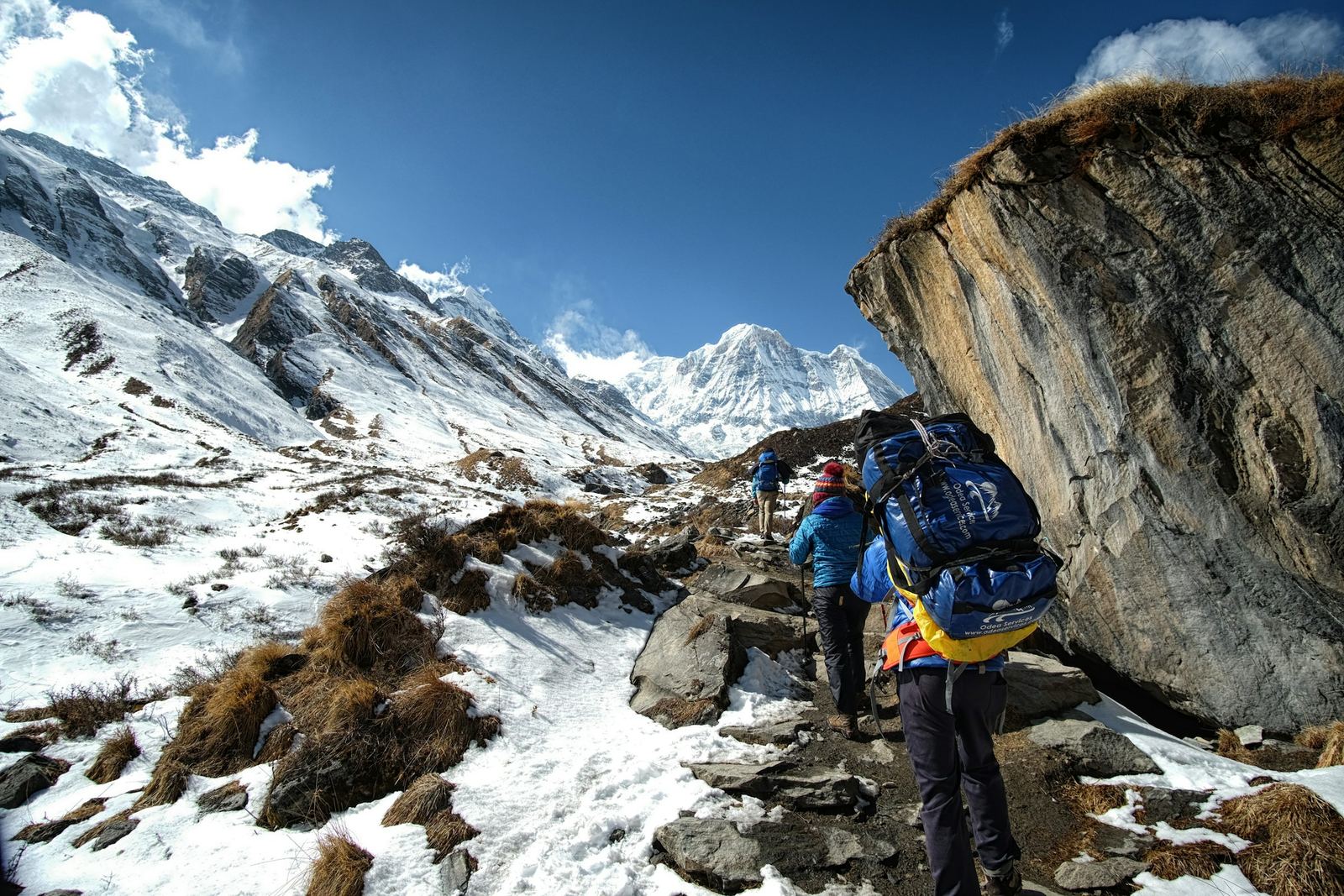
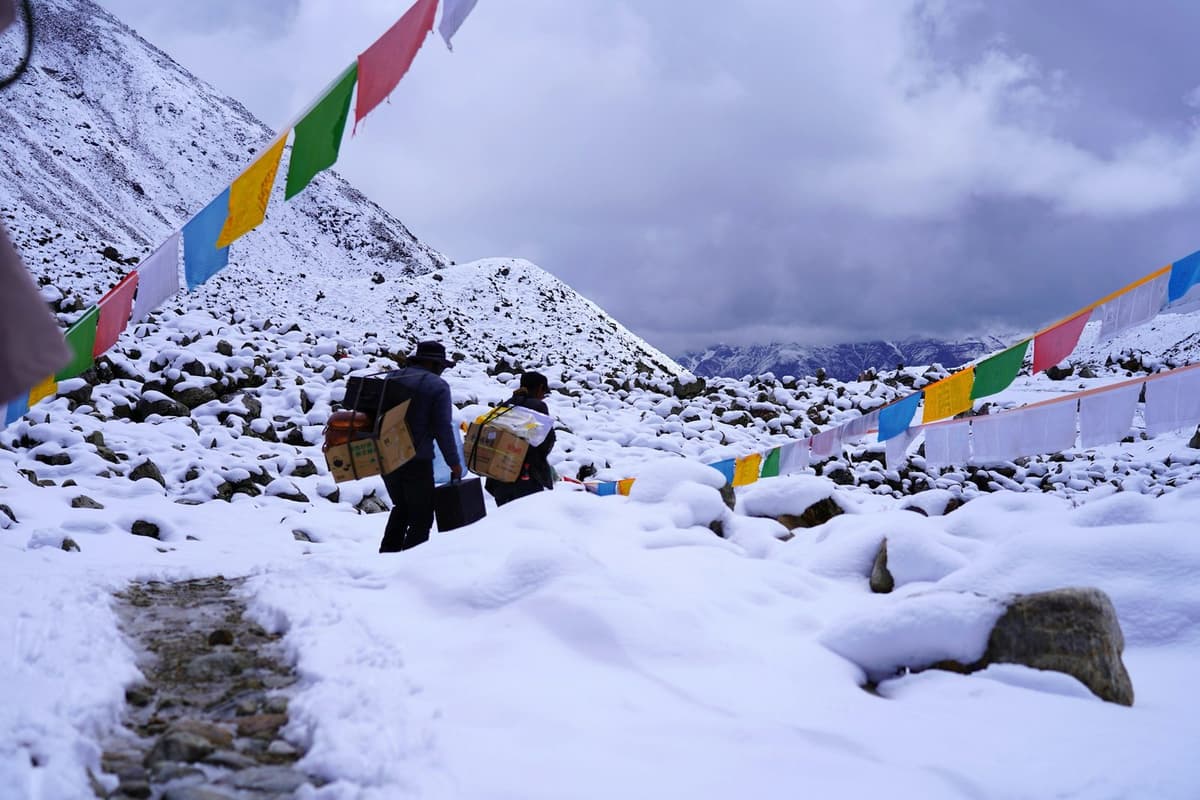
Trekkers with large packs on a snowy, rocky path below snow peaks on the way to Annapurna Base Camp
Snow changes the upper trail. Your guide decides when it is safe to cross.

What happened in January 2020

On 17 January 2020, an avalanche triggered by heavy snowfall hit the trail at Hinku, between Himalaya and Deurali. The Kathmandu Post put the site at about 3,200 m. The group had set off on 15 January despite warnings of bad weather. Seven people went missing: four South Korean trekkers and three Nepalis working with the group. The search ran on into spring; in late April police said melting snow should make it easier.

The October 2025 closure

In October 2025 the ABC trail was temporarily closed until 31 October after continuous snowfall and poor visibility, The Himalayan Times reported. Reporting a Nepal Tourism Board safety advisory, the paper said trekkers were advised to "stay alert for signs of flash floods and avalanches".

"safety must come first"

Nepal Tourism Board advisory, 2025, as reported by The Himalayan Times

How to cross the avalanche zone safely

  1. Check advisories before you leave Pokhara: Nepal Tourism Board news and the Department of Hydrology and Meteorology forecast.
  2. Ask lodge owners about recent avalanches, as one trekking company advises at MBC.
  3. Start early, leaving time to wait or turn back.
  4. Follow your guide's call. Your guide, who knows the route, decides when and how to cross, based on snow and the forecast.
  5. Do not take long breaks between Hinku and Deurali.
  6. After fresh heavy snow, wait at a lodge rather than push on.

Weather by season

The Nepal Tourism Board names spring and autumn as the best trekking seasons. Winter brings snow, ice and the main avalanche season.

Season What to expect on the ABC trail
Spring, March to May A good season; avalanche risk lingers into early April
Monsoon, normally 13 June to 2 October Slippery steps and cloud. Withdrawal ran later than 2 October every year from 2020 to 2025
Autumn, September to November The clearest skies come in October and November. In 2026 the monsoon fully withdrew on 14 October
Winter, December to February Cold, with snow and ice possible above 3,000 m. Highest avalanche risk

The Nepal Tourism Board notes: "Average temperatures in Nepal drop 6°C for every 1,000 m you gain in altitude". Pack warm layers for the top in any season.

For winter details, read our guide to Annapurna Base Camp in December.

A training plan for the ABC trek

You need to be used to long days on your feet and lots of stairs. Start early and build up in stages:

  1. Build a base. Walk briskly most days.
  2. Add hills and stairs. Climb and descend stairs with a light daypack; descents tire the knees.
  3. Strengthen your legs. Squats, lunges and step-ups help on the stone steps.
  4. Practise long days. Work up to a full day of about 5 to 7 hours on your feet, then try hilly days back to back.
  5. Break in your boots. Train in the boots, socks and poles you will trek in.
  6. Ease off before you fly. Arrive rested, not sore.

If you have a heart, lung or joint condition, talk to your doctor before you book.

Who the ABC trek suits

The ABC trek suits healthy people who walk regularly and are happy in teahouses, the simple family-run lodges along the trail. There is no official fitness test or age limit; fitness and pace matter more than age.
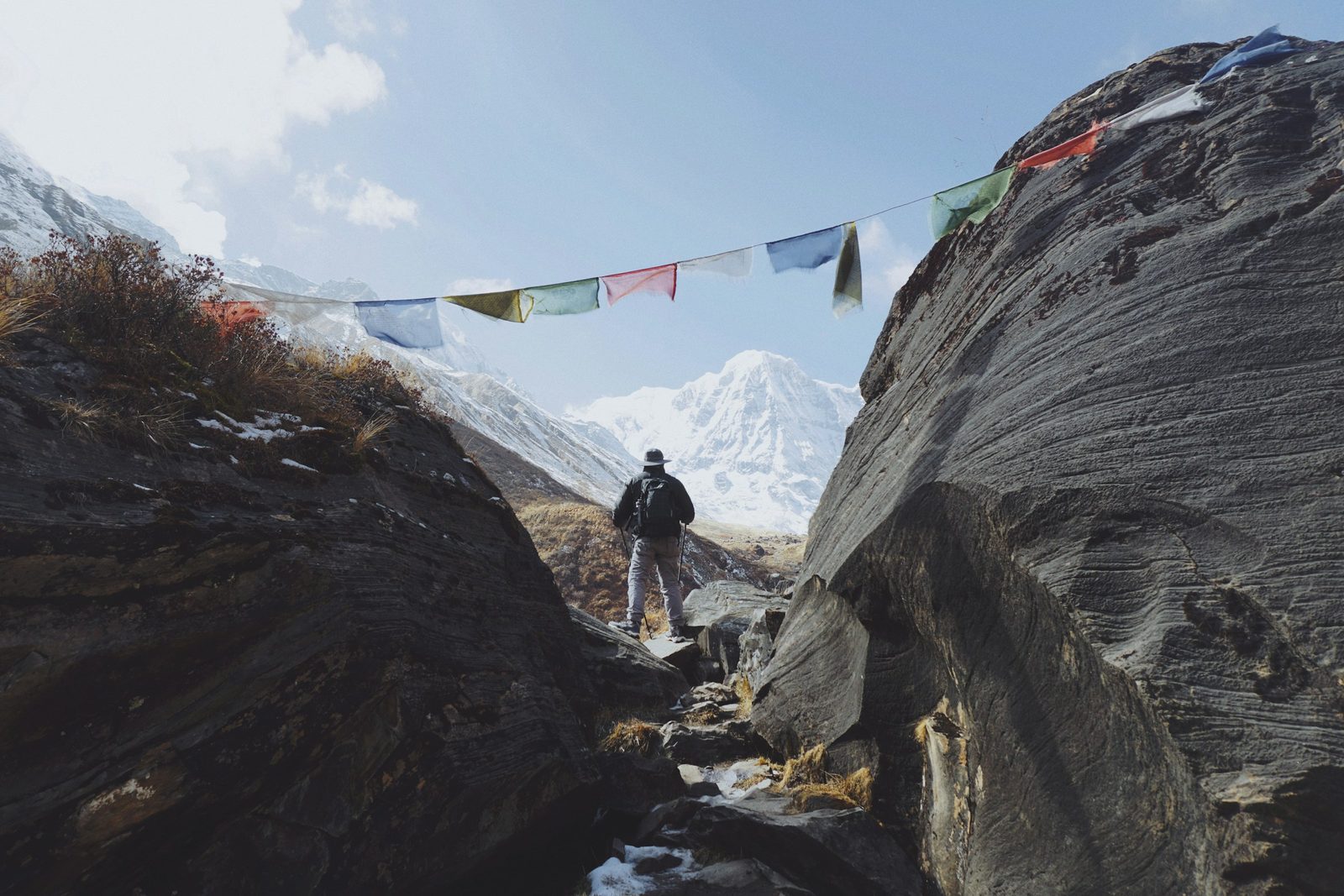
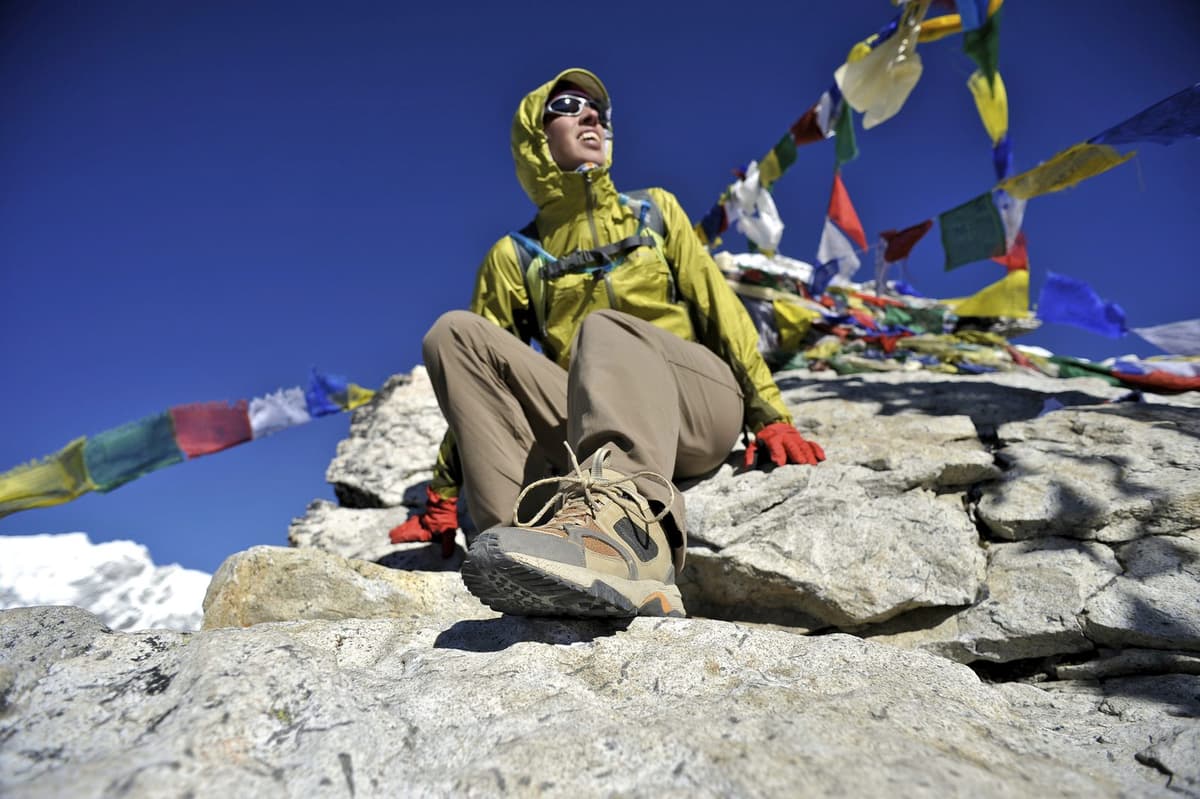
A trekker standing beneath prayer flags strung between boulders in the Annapurna Sanctuary, with a snow peak behind
Prayer flags between the boulders high in the Annapurna Sanctuary.

First-time trekkers. A sensible first Himalayan trek if you train. KE Adventure recommends autumn (September to November) or spring (March to May) for first-timers.

Children. The ACAP permit is free for children below 10, but the steps are no shorter for small legs. Choose an unhurried itinerary and make sure your child can tell you clearly when they feel unwell.

Older trekkers. Age alone does not rule you out. Use poles, go slower and see your doctor first.

It may not suit you if stairs hurt your knees, you cannot walk most of a day, or you want winter with no snow risk.

ABC vs Poon Hill, Mardi Himal and Everest Base Camp: difficulty compared

ABC goes higher than Poon Hill but stays well below Everest Base Camp. Heights are trek high points, not summits.

Trek Trek high point Altitude What makes it hard
Ghorepani Poon Hill Poon Hill, 3,210 m; you sleep at Ghorepani, about 2,850 m Above the line of about 2,450 m, so mild symptoms are possible Steep hill days; the lowest high point here
Annapurna Base Camp 4,130 m Real altitude near the top; follow the ascent rules Long days, repeated climbs and descents on stone steps; avalanche zones in winter and early spring
Mardi Himal About 4,500 m at the base of the mountain, per a 2018 Kathmandu Post feature Real altitude near the top Camp heights vary between sources; ask us
Everest Base Camp 5,364 m The highest here Altitude is the main challenge

Mardi Himal's summit, 5,587 m, is a peak height, not where the trek goes.

Rescue and insurance

Help in the mountains depends on the weather. Prepare before you go:

  1. Buy travel insurance that names trekking up to 4,130 m and covers helicopter evacuation. Check the altitude limit in the wording.
  2. Carry your policy number and the insurer's emergency number, and give a copy to your guide.
  3. Tell your guide early about any symptom or injury; our guide arranges a rescue if needed.
  4. Expect delays. Cloud and snow can hold up a helicopter, so go down on foot early.
  5. Carry your ACAP permit. We arrange it for you before the trek.

For the full budget, including permits, see our Annapurna Base Camp trek cost guide.

Read next: Everest Base Camp trek difficulty and Annapurna Circuit altitude profile.

Frequently asked questions

Is the Annapurna Base Camp trek hard for beginners?

It is hard work but achievable for a fit beginner. Trekking companies grade it moderate, with no climbing. The challenge is about 5 to 7 hours of walking on most days, often on stone steps, with altitude near the top. Train on stairs, choose spring or autumn and walk slowly.

Do I need a guide for the Annapurna Base Camp trek?

Not on our trips. A licensed guide walks with you on every trek we run. On the upper trail, your guide, who knows the route, decides when and how to cross the avalanche-prone section, based on snow and the forecast.

Will I get altitude sickness at Annapurna Base Camp?

You might. Base camp is at 4,130 m and altitude illness can start from about 2,450 m. Feeling short of breath on the climbs is normal. Go up slowly, drink water, avoid alcohol early, and never go higher with symptoms. If symptoms get worse, go down.

Can you do the Annapurna Base Camp trek in winter?

Yes, but it is harder and riskier. Snow and ice may lie on the trail above 3,000 m, and December to February is the main avalanche season. The trail can close after heavy snow, as it did in late October 2025. Keep spare days and follow closures.

Which is harder, Annapurna Base Camp or Everest Base Camp?

Everest Base Camp is harder mainly because it is higher, at 5,364 m against 4,130 m for ABC. ABC has its own challenges: long days on stone steps and avalanche zones above Himalaya in winter and early spring.

Ready to plan your Annapurna Base Camp trek?

If the difficulty sounds right, see our Annapurna Base Camp trek page for the route. Tell us how you walk and when you want to go, and we will suggest an itinerary with sensible sleeping heights and a licensed guide who knows the upper valley. Message us on WhatsApp or send an enquiry.
Tags
Annapurna Base Camptrek difficultyaltitudeAnnapurna Sanctuarytrek fitnessNepal treks
Share
U
Uncover Nepal Team
Writer at Uncover Nepal
More in TreksSee all Treks

Annapurna Base Camp Trek Difficulty: How Hard Is It?

13 min read Posted 28 Oct 2026Updated 28 Oct 2026
Sunrise lighting Annapurna I above Annapurna Base Camp, the 4,130 m high point that shapes the Annapurna Base Camp trek difficulty

By Uncover Nepal Team · Checked by our Kathmandu travel team · Last checked 28 October 2026

The trail climbs out of the forest and the valley opens into a wide bowl of ice and rock. Annapurna I, a peak of 8,091 m, fills the head of it. Nothing on the way needs mountaineering skills. What it asks for is steady legs, day after day.

Annapurna Base Camp trek difficulty is moderate: trekking companies grade it "moderate" or "moderately challenging", though Nepal has no official difficulty scale. Expect most days of about 5 to 7 hours on foot, long flights of stone steps and a high point of 4,130 m. A fit beginner who trains and walks slowly can do it.

Our Annapurna Base Camp trek page has the full route.

Key facts

Trek high point
Annapurna Base Camp (ABC), 4,130 m (Desk-verified figure; KE Adventure agrees, 28 Oct 2026)
Difficulty grade
"Moderate" or "moderately challenging" in operator grading; Nepal has no official scale (KE Adventure; Bikat Adventures, 28 Oct 2026)
Typical walking day
About 5 to 7 hours on most days (Operator itineraries (KE Adventure, Bikat Adventures), 28 Oct 2026)
Machhapuchhre Base Camp (MBC)
About 3,700 m, the figure operators use (Yak and Yeti Treks; Bikat Adventures, 28 Oct 2026)
Altitude illness can start from
About 2,450 m (CDC Yellow Book (desk-verified October 2026))
Main avalanche zones
Hinku Cave to Deurali; MBC to ABC (OnlineKhabar (3 Sep 2024), 28 Oct 2026)
Highest avalanche risk
December to February; March to early April still risky (OnlineKhabar (3 Sep 2024), 28 Oct 2026)
Annapurna Conservation Area Project (ACAP) entry permit
NPR 3,000 foreign; NPR 1,000 SAARC; children below 10 free (Nepal Tourism Board, 28 Oct 2026)
Guide on our trips
A licensed guide walks with you on every trek we run (UncoverNepal, 28 Oct 2026)

In this guide

  • Annapurna Base Camp trek difficulty in plain words
  • How long you walk each day
  • The stone steps around Chhomrong
  • Altitude and how to handle it
  • Deurali to ABC: the avalanche-prone section
  • Weather by season
  • A training plan
  • Who the trek suits
  • ABC compared with Poon Hill, Mardi Himal and Everest Base Camp
  • Rescue and insurance
  • Frequently asked questions

Annapurna Base Camp trek difficulty in plain words

The ABC trek is a moderate, non-technical walk that ends at 4,130 m. It is harder than a hill walk at home because of long days, many climbs and descents on stone steps, and real altitude near the top. There is no high pass to cross.

Nepal has no government difficulty scale, so every grade comes from a trekking company. Bikat Adventures grades ABC "Moderate", and KE Adventure, a UK operator, calls it "moderately challenging" with low technical difficulty. Treat any grade as a rough guide.

The hard part is not one big climb but consistency: long days and repeated ups and downs. You lose height you have just gained, then climb it again. Higher up, the altitude adds to the effort.

How long do you walk each day?

On most itineraries you walk about 5 to 7 hours a day, so you need to be comfortable on your feet from breakfast to mid-afternoon. Companies split the days differently, so hours vary by itinerary. The walk from MBC up to ABC is the shortest stage, about 1½ to 2 hours on one operator's plan.

Two trekkers with poles on a stone path through high grassland in the Annapurna Sanctuary, snow peaks ahead
Most days on the trail are long, steady walks rather than technical climbs.

The trek starts near Pokhara. From Kathmandu, that is most of a day by road, often six to nine hours with traffic and roadworks, or about 30 minutes by air. Jeep roads now reach closer to the trail than they used to, and total distance depends on where you start, so we do not quote one figure.

Base camp at 4,130 m sits roughly 1,800 m above Bamboo, at about 2,310 m. That is simply the difference between the two heights, spread over several days of walking, not one day's climb.

The stone steps around Chhomrong

KE Adventure warns of "some steep ascents and descents, particularly on the approach to and from Chomrong", and adds: "The stone steps can be tough on the knees, so trekking poles are recommended." Chhomrong (also spelt Chomrong) is a village on the route that most itineraries pass on the way up and down.

Operators also mention stone steps from Phedi when the trek starts there, and a stone staircase up to the lodges at MBC.

How to make the steps easier:

  • Use trekking poles, especially going down.
  • Take short steps and let your poles take some weight on descents.
  • Train on stairs before you come.

Some routes return through Ghandruk, covered in our guide to Ghandruk village.

Altitude: how high does the ABC trek go?

The ABC trek goes to 4,130 m, high enough for altitude illness, which can start from about 2,450 m. Going up slowly, drinking water and telling your guide early about any symptoms keep the risk low. The table and steps below show where the height matters and what to do about it.

Point on the route Height What it means for you
Bamboo about 2,310 m Just below the altitude-illness line
Hinku, avalanche site between Himalaya and Deurali about 3,200 m Press figure for the 2020 avalanche site, not a village
Machhapuchhre Base Camp (MBC) about 3,700 m Operator figure; no official height
Annapurna Base Camp (ABC) 4,130 m The high point of the trek

We leave out heights for Chhomrong, Sinuwa, Dovan, Himalaya and Deurali because the sources disagree or rest on one company. Bamboo to MBC is a bigger jump than the sleeping-height rule below allows, so itineraries that sleep at Himalaya or Deurali on the way up follow it more closely.

How to stay well at altitude:

  1. Go up slowly. Above 3,000 m, do not raise your sleeping height by more than about 500 m a night, and plan a rest day every 3 to 4 days.
  2. Walk slowly. Guides say "bistarai, bistarai", Nepali for "slowly, slowly".
  3. Drink water through the day.
  4. Avoid alcohol for the first days at height.
  5. Know the symptoms: headache, nausea, tiredness and poor sleep.
  6. Never go higher with symptoms. If they get worse, go down.
  7. Ask your doctor before the trip about preventive medicine such as acetazolamide.
  8. Garlic soup and hot soups are a comforting local habit that helps you drink more, not a proven cure.
  9. Severe signs, such as confusion, breathlessness at rest or unsteady walking, mean descend at once. Our guide arranges a rescue if needed.

For more detail, read how to avoid altitude sickness.

Deurali to ABC: the avalanche-prone section

OnlineKhabar names two main avalanche zones: Hinku Cave to Deurali, a steep, narrow stretch of valley, and MBC to ABC, where steeper slopes can release snow, rock and ice, especially after snowfall. Around Sinuwa and Bamboo the slopes are less steep, though small landslides can follow rain or snowmelt. The risk is highest from December to February, and March to early April stays risky while snow remains and melts.

Trekkers with large packs on a snowy, rocky path below snow peaks on the way to Annapurna Base Camp
Snow changes the upper trail. Your guide decides when it is safe to cross.

What happened in January 2020

On 17 January 2020, an avalanche triggered by heavy snowfall hit the trail at Hinku, between Himalaya and Deurali. The Kathmandu Post put the site at about 3,200 m. The group had set off on 15 January despite warnings of bad weather. Seven people went missing: four South Korean trekkers and three Nepalis working with the group. The search ran on into spring; in late April police said melting snow should make it easier.

The October 2025 closure

In October 2025 the ABC trail was temporarily closed until 31 October after continuous snowfall and poor visibility, The Himalayan Times reported. Reporting a Nepal Tourism Board safety advisory, the paper said trekkers were advised to "stay alert for signs of flash floods and avalanches".

"safety must come first"

Nepal Tourism Board advisory, 2025, as reported by The Himalayan Times

How to cross the avalanche zone safely

  1. Check advisories before you leave Pokhara: Nepal Tourism Board news and the Department of Hydrology and Meteorology forecast.
  2. Ask lodge owners about recent avalanches, as one trekking company advises at MBC.
  3. Start early, leaving time to wait or turn back.
  4. Follow your guide's call. Your guide, who knows the route, decides when and how to cross, based on snow and the forecast.
  5. Do not take long breaks between Hinku and Deurali.
  6. After fresh heavy snow, wait at a lodge rather than push on.

Weather by season

The Nepal Tourism Board names spring and autumn as the best trekking seasons. Winter brings snow, ice and the main avalanche season.

Season What to expect on the ABC trail
Spring, March to May A good season; avalanche risk lingers into early April
Monsoon, normally 13 June to 2 October Slippery steps and cloud. Withdrawal ran later than 2 October every year from 2020 to 2025
Autumn, September to November The clearest skies come in October and November. In 2026 the monsoon fully withdrew on 14 October
Winter, December to February Cold, with snow and ice possible above 3,000 m. Highest avalanche risk

The Nepal Tourism Board notes: "Average temperatures in Nepal drop 6°C for every 1,000 m you gain in altitude". Pack warm layers for the top in any season.

For winter details, read our guide to Annapurna Base Camp in December.

A training plan for the ABC trek

You need to be used to long days on your feet and lots of stairs. Start early and build up in stages:

  1. Build a base. Walk briskly most days.
  2. Add hills and stairs. Climb and descend stairs with a light daypack; descents tire the knees.
  3. Strengthen your legs. Squats, lunges and step-ups help on the stone steps.
  4. Practise long days. Work up to a full day of about 5 to 7 hours on your feet, then try hilly days back to back.
  5. Break in your boots. Train in the boots, socks and poles you will trek in.
  6. Ease off before you fly. Arrive rested, not sore.

If you have a heart, lung or joint condition, talk to your doctor before you book.

Who the ABC trek suits

The ABC trek suits healthy people who walk regularly and are happy in teahouses, the simple family-run lodges along the trail. There is no official fitness test or age limit; fitness and pace matter more than age.

A trekker standing beneath prayer flags strung between boulders in the Annapurna Sanctuary, with a snow peak behind
Prayer flags between the boulders high in the Annapurna Sanctuary.

First-time trekkers. A sensible first Himalayan trek if you train. KE Adventure recommends autumn (September to November) or spring (March to May) for first-timers.

Children. The ACAP permit is free for children below 10, but the steps are no shorter for small legs. Choose an unhurried itinerary and make sure your child can tell you clearly when they feel unwell.

Older trekkers. Age alone does not rule you out. Use poles, go slower and see your doctor first.

It may not suit you if stairs hurt your knees, you cannot walk most of a day, or you want winter with no snow risk.

ABC vs Poon Hill, Mardi Himal and Everest Base Camp: difficulty compared

ABC goes higher than Poon Hill but stays well below Everest Base Camp. Heights are trek high points, not summits.

Trek Trek high point Altitude What makes it hard
Ghorepani Poon Hill Poon Hill, 3,210 m; you sleep at Ghorepani, about 2,850 m Above the line of about 2,450 m, so mild symptoms are possible Steep hill days; the lowest high point here
Annapurna Base Camp 4,130 m Real altitude near the top; follow the ascent rules Long days, repeated climbs and descents on stone steps; avalanche zones in winter and early spring
Mardi Himal About 4,500 m at the base of the mountain, per a 2018 Kathmandu Post feature Real altitude near the top Camp heights vary between sources; ask us
Everest Base Camp 5,364 m The highest here Altitude is the main challenge

Mardi Himal's summit, 5,587 m, is a peak height, not where the trek goes.

Rescue and insurance

Help in the mountains depends on the weather. Prepare before you go:

  1. Buy travel insurance that names trekking up to 4,130 m and covers helicopter evacuation. Check the altitude limit in the wording.
  2. Carry your policy number and the insurer's emergency number, and give a copy to your guide.
  3. Tell your guide early about any symptom or injury; our guide arranges a rescue if needed.
  4. Expect delays. Cloud and snow can hold up a helicopter, so go down on foot early.
  5. Carry your ACAP permit. We arrange it for you before the trek.

For the full budget, including permits, see our Annapurna Base Camp trek cost guide.

Read next: Everest Base Camp trek difficulty and Annapurna Circuit altitude profile.

Frequently asked questions

Is the Annapurna Base Camp trek hard for beginners?

It is hard work but achievable for a fit beginner. Trekking companies grade it moderate, with no climbing. The challenge is about 5 to 7 hours of walking on most days, often on stone steps, with altitude near the top. Train on stairs, choose spring or autumn and walk slowly.

Do I need a guide for the Annapurna Base Camp trek?

Not on our trips. A licensed guide walks with you on every trek we run. On the upper trail, your guide, who knows the route, decides when and how to cross the avalanche-prone section, based on snow and the forecast.

Will I get altitude sickness at Annapurna Base Camp?

You might. Base camp is at 4,130 m and altitude illness can start from about 2,450 m. Feeling short of breath on the climbs is normal. Go up slowly, drink water, avoid alcohol early, and never go higher with symptoms. If symptoms get worse, go down.

Can you do the Annapurna Base Camp trek in winter?

Yes, but it is harder and riskier. Snow and ice may lie on the trail above 3,000 m, and December to February is the main avalanche season. The trail can close after heavy snow, as it did in late October 2025. Keep spare days and follow closures.

Which is harder, Annapurna Base Camp or Everest Base Camp?

Everest Base Camp is harder mainly because it is higher, at 5,364 m against 4,130 m for ABC. ABC has its own challenges: long days on stone steps and avalanche zones above Himalaya in winter and early spring.

Ready to plan your Annapurna Base Camp trek?

If the difficulty sounds right, see our Annapurna Base Camp trek page for the route. Tell us how you walk and when you want to go, and we will suggest an itinerary with sensible sleeping heights and a licensed guide who knows the upper valley. Message us on WhatsApp or send an enquiry.
Tags
Annapurna Base Camptrek difficultyaltitudeAnnapurna Sanctuarytrek fitnessNepal treks
Share
U
Uncover Nepal Team
Writer at Uncover Nepal
More in TreksSee all Treks