By Uncover Nepal Guide · Checked by our Kathmandu travel team · Updated 09 Nov 2026
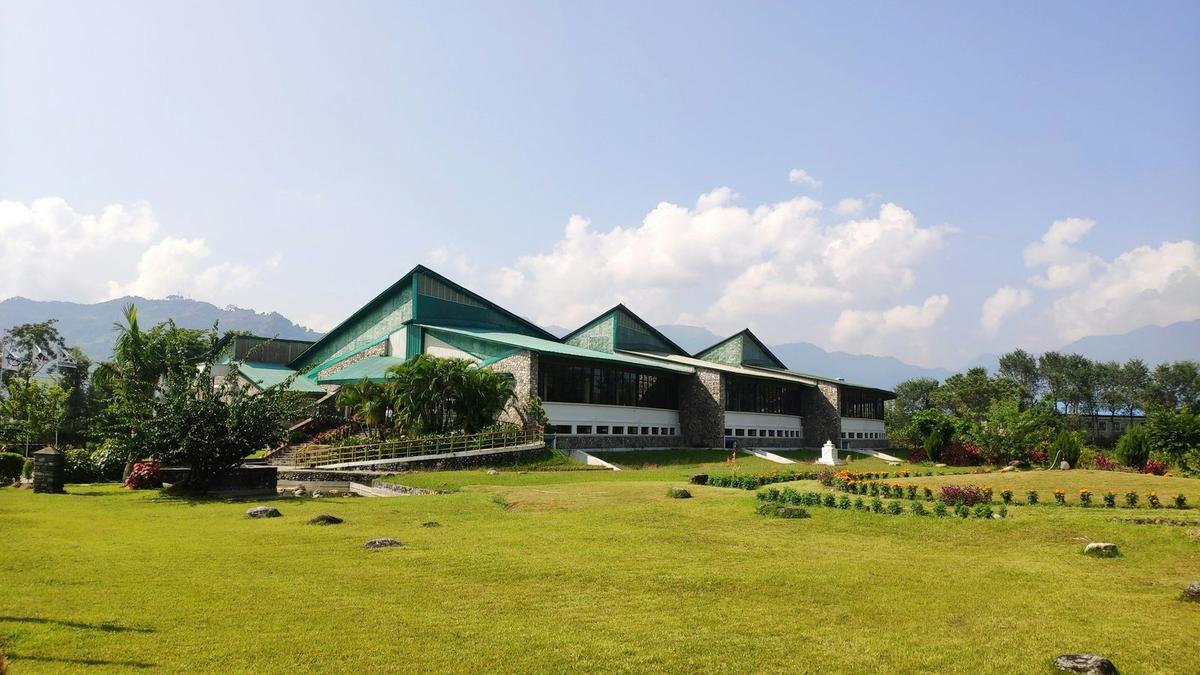
A two-storey building sits among open lawns on the south side of Pokhara, with green hills rising behind it. In front stands a model of Manaslu that visitors have been allowed to climb, and inside, the displays begin one floor down, in the basement.
Mountain Museum Pokhara, properly the International Mountain Museum, tells the story of the Himalaya through three themes: the people who live in the mountains, the mountains themselves and the climbing and trekking done on them. The Nepal Mountaineering Association runs it at Ratopairo, on the south side of town. Go before a trek, or on a cloudy afternoon.
If you only have room for one museum in Pokhara, this is the one that explains the peaks you came to see. It pairs well with the lake and viewpoints in our list of things to do in Pokhara.
Key facts
- Who runs it
- Nepal Mountaineering Association (NMA) (Pokhara Metropolitan City; NMA, 10 Nov 2026)
- Location
- Ratopairo, Pokhara ward 17, 1.5 km south of the old Pokhara Airport in town (Pokhara Metropolitan City; The Rising Nepal (27 Apr 2024), 10 Nov 2026)
- Opening stages
- Foundation stone 1 Dec 1995; soft opening 29 May 2002; formal inauguration 5 Feb 2004 (Tourism Info Nepal (6 Feb 2025); The Himalayan Times (29 May 2004), 10 Nov 2026)
- Main themes
- Mountain people; the world's mountains, including all 14 peaks over 8,000 m; mountain activities (Nepal Tourism Board (NTB), 10 Nov 2026)
- Entry fee
- NPR 750 foreign, NPR 350 SAARC, NPR 150 Nepali, NPR 80 students, as reported in October 2025; check at the counter (RSS news agency report carried by OnlineKhabar (17 Oct 2025); Tourism Info Nepal (27 Jan 2025), 10 Nov 2026)
- Opening hours
- Daytime; no official hours found, so check before you go (No official source found, 10 Nov 2026)
- Visitors in 2024
- 95,862, citing the museum (Tourism Info Nepal (27 Jan 2025), 10 Nov 2026)
- Pokhara altitude
- About 820 m (Department of Hydrology and Meteorology (station at 822 m), 10 Nov 2026)
In this guide
- Mountain Museum Pokhara: who runs it and when it opened
- What will you see inside the museum?
- What is outside: the Manaslu model, climbing wall and grounds
- Exhibitions and events that change through the year
- Pokhara museum entry fees and opening hours
- Where is the museum and how do you get there?
- Tips for your visit: timing, crowds and what to ask
- Is the International Mountain Museum in Pokhara worth it?
- After the museum: seeing the real mountains from Pokhara
- Frequently asked questions
- Plan your visit
Mountain Museum Pokhara: who runs it and when it opened
The Nepal Mountaineering Association (NMA) set up the museum and still manages it, with help from mountaineering clubs, associations and individual donors around the world. Its foundation stone was laid in December 1995, it had a soft opening in May 2002, and the prime minister formally inaugurated it on 5 February 2004.
You will see founding years from 1995 to 2004 quoted online: they are three stages of one long project. The Himalayan Times reported in 2004 that the museum had originally been scheduled for completion by the end of 2000.
"Prime minister Surya Bahadur Thapa formally inaugurated the museum on February 5, 2004."
The Himalayan Times, 29 May 2004
The NMA says on its own website that it "initiated the establishment of International Mountain Museum (IMM) in Pokhara". Pokhara Metropolitan City's tourism office sums up the theme as "Man, Mountain and Mountain activities around the world".
Several Nepali newspapers put the whole site at about 100 ropani (a ropani is a Nepali unit of land area), and OnlineKhabar reported in 2024 that the two-storey building stands on 6.5 ropani of that.
What will you see inside the museum?
Inside, the exhibits are grouped around three themes, which the Nepal Tourism Board calls the Hall of Mountain People, the Hall of World Mountains and the Mountain Activities Hall. Expect the dress, customs and culture of mountain communities, material on all 14 peaks over 8,000 m, and the story of climbing from the first expeditions to modern gear.
Nepali Times wrote in 2021 that "the exhibits begin from the basement and are divided into three main sections", and Khabarhub counted displays in 13 sub-chambers of the building in 2022. The city tourism office names the halls slightly differently, including a Hall of Fame, so the signs may not match every website. The city also lists "a library, a prayer room and an audio-visual room".
Hall of Mountain People
According to NTB, this hall covers the customs, traditions, heritage, culture and way of life of mountain communities. A 2025 report by RSS, the national news agency, also mentioned the dress and art of Himalayan ethnic groups.
If you are about to trek, slow down here: the villages you will sleep in and the dress you will see at festivals make more sense afterwards.
Hall of World Mountains
The Hall of World Mountains explains how mountain ranges formed, then turns to the peaks themselves. NTB says it covers all 14 peaks above 8,000 m, along with Himalayan plants and wildlife. OnlineKhabar's 2024 report also lists climate change, rocks and wildlife among the museum's subjects.
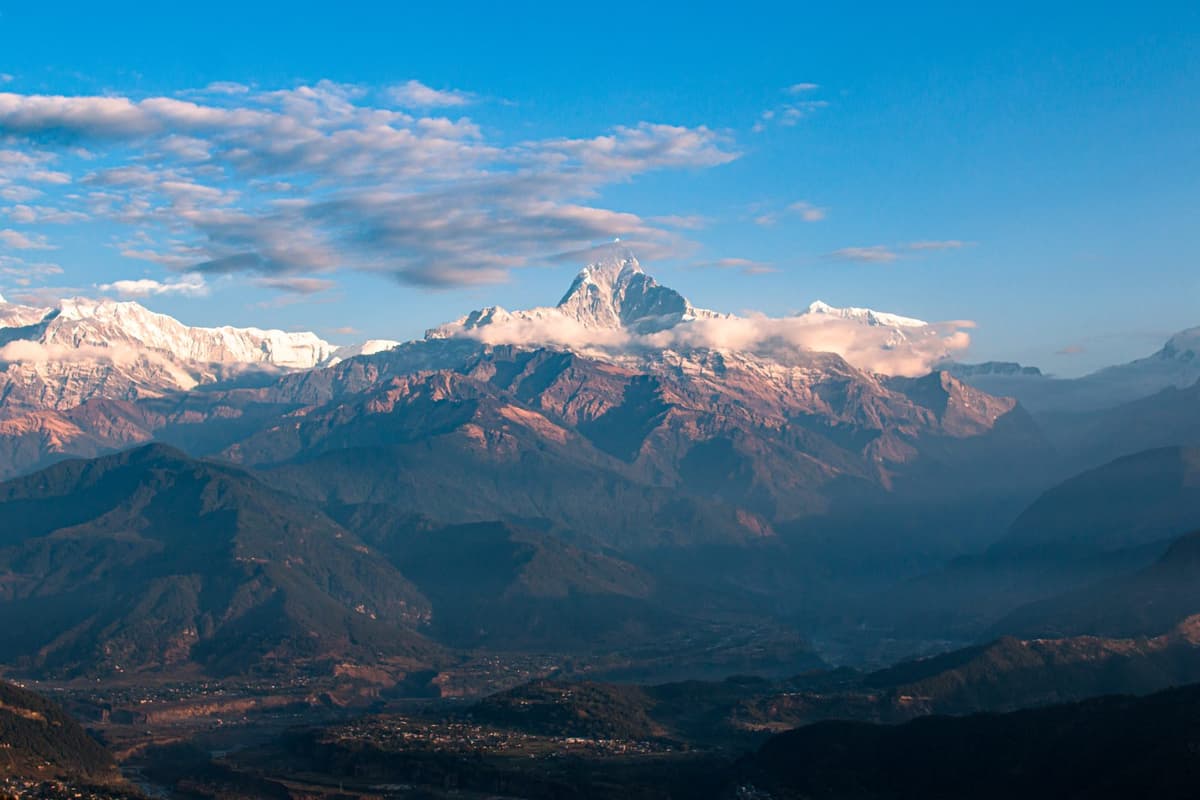
Several of the 14 stand in Nepal or on its borders, Everest, Annapurna and Manaslu among them, and seeing them side by side gives a sense of scale that no single viewpoint can.
Mountain Activities Hall
For the third theme, NTB lists mountaineering and trekking, historic ascents and expeditions, and the development of climbing gear. Nepal Traveller described an exhibit in 2023 on Junko Tabei of Japan, the first woman to climb Everest. The NMA said in 2024 that photographs of Slovenian expeditions in Nepal, supplied by the Alpine Association of Slovenia, "have been permanently exhibited" at the museum.
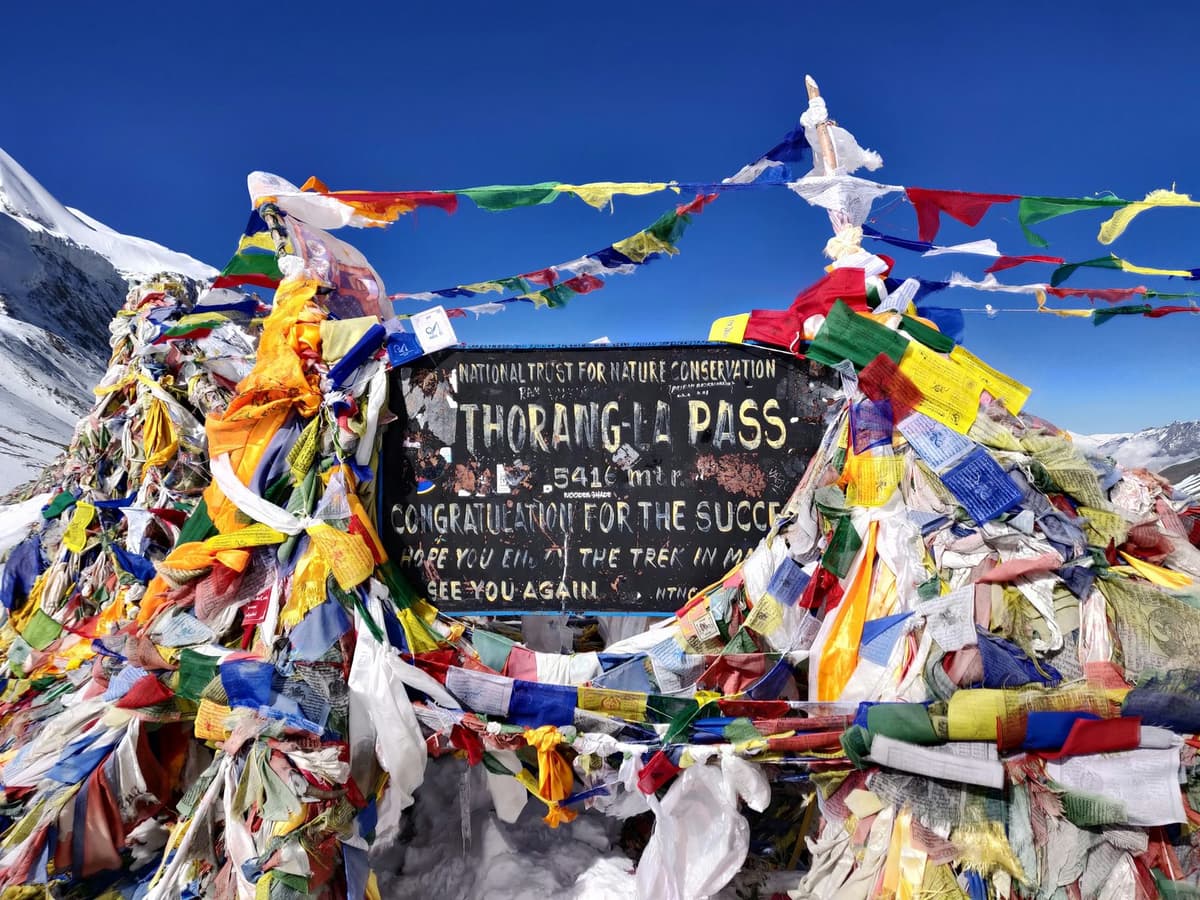
Annapurna 1950: Herzog, Lachenal and an ice axe
The museum tells the story of the first ascent of a peak over 8,000 m: Annapurna I, climbed by the French climbers Maurice Herzog and Louis Lachenal in 1950. In November 2020, the French ambassador, François-Xavier Léger, handed photographs of Herzog and the first Annapurna ascent to the museum.
At the 75th-anniversary ceremony at the museum on 5 June 2025, Herzog's son Mathias handed over his father's original 1950 ice axe, on loan from the Olympic Museum in Lausanne. The Himalayan Times called it a "symbolic handover of Maurice Herzog's original 1950 ice axe to the International Mountain Museum". Because it was a loan, we could not confirm whether the axe is on show today, so ask at the counter.
At the same ceremony, Tourism Minister Badri Prasad Pandey unveiled statues of Herzog, of Ang Tharkay Sherpa, the expedition's sirdar (the head of the Sherpa team on an expedition), and of Walung Sonam Sherpa, the first Nepali to reach the summit of Annapurna.
People the museum honours
NTB lists four people the museum honours: Kumar Khadga Bikram Shah, founder of the NMA; the geologist Dr Toni Hagen; the Japanese monk and traveller Rev. Ekai Kawaguchi; and the geographer Dr Harka Gurung. OnlineKhabar reported in 2024 that a memorial on the grounds remembers Harka Gurung, Kumar Khadga Bikram Shah and Dawa Norbu Sherpa, who helped found the museum.
The Yeti display
The museum also nods to legend. The yeti is the "snowman" of Himalayan folklore, and the museum has a yeti display and a photograph of a yeti footprint.
"Some exhibits, like the Yeti display and the photograph of the Yeti footprint, play into the legend surrounding Nepal's mountains."
Nepali Times, 11 April 2021
Take it as folklore, told in a building otherwise full of geology and climbing records.
What is outside: the Manaslu model, climbing wall and grounds
Outside, the grounds hold a model of Mt Manaslu in front of the main building, a climbing wall, statues of climbers and founders, and open lawns. Visitors have been allowed to climb the model, but we found no current rules for it or for the wall, so ask at the counter before you try either.
The Manaslu model
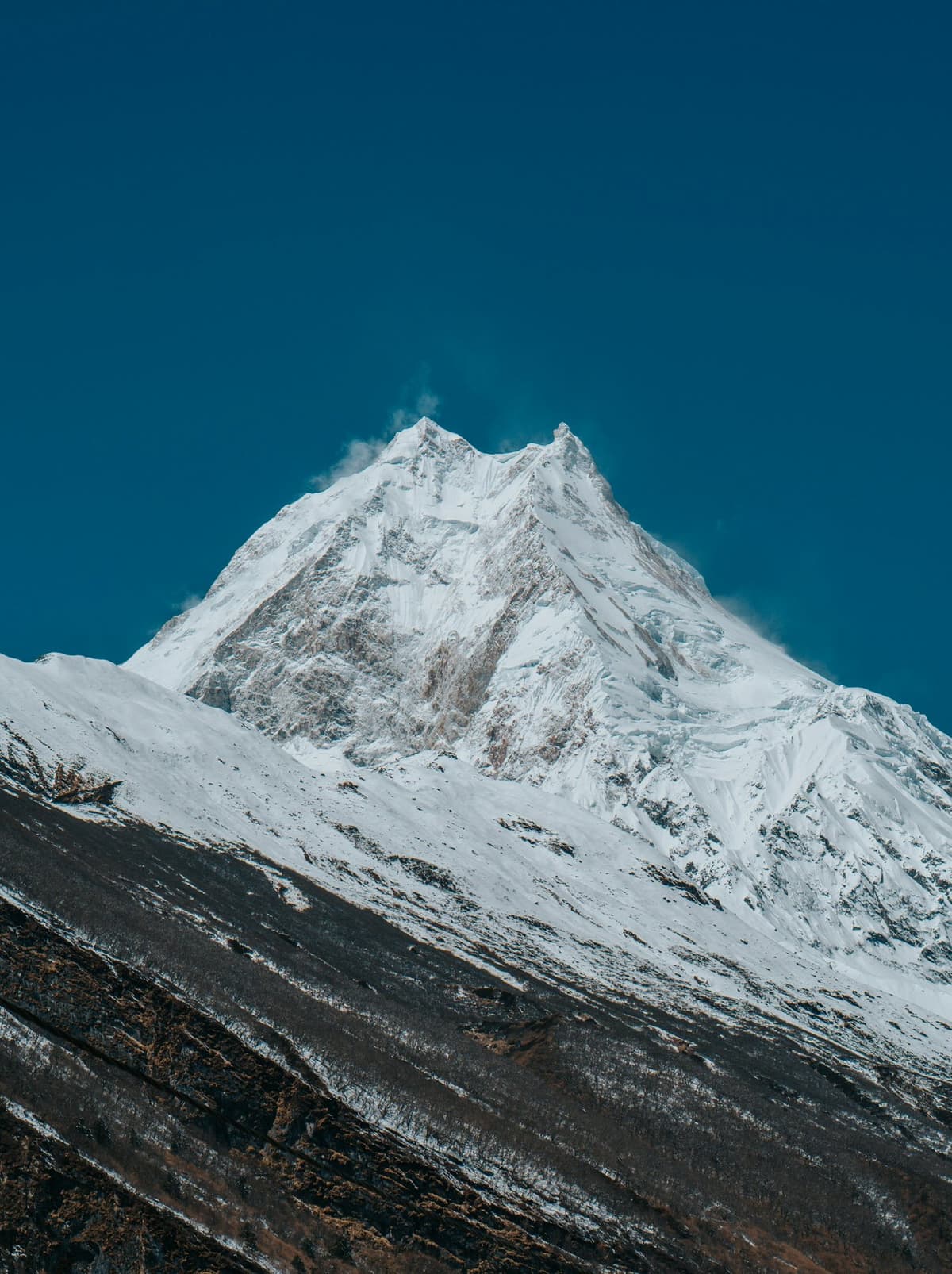
"Right in front of the main building lies a mock Mt Manaslu, which visitors can climb," Nepali Times wrote in 2021. The real Manaslu is one of the 14 peaks over 8,000 m. Heights quoted online for the model come from no source we trust, so we leave the number out.
The climbing wall
Khabarhub reported in 2019 that the museum has wall-climbing facilities, and Atlas Obscura also mentions a climbing wall. We could not confirm if casual visitors can use it, so ask on arrival rather than planning a day around it.
Statues, lawns and the living museum
Besides the 2025 statues and the founders' memorial, the lawns are a pleasant place to sit between halls. Atlas Obscura, in a single undated listing, describes an outdoor "living museum" on Nepal's indigenous peoples; we found no recent report on it, so ask rather than count on it.
Exhibitions and events that change through the year
Beyond the permanent halls, the museum hosts temporary exhibitions, and they change. Recent ones include historic photographs of Red Machhindranath and Hanuman Dhoka in February 2024, an Annapurna anniversary show in June 2025, and a photo exhibition with the Karkonosze Museum of Poland in February 2026. Do not count on any of them still being up.
Red Machhindranath is a deity worshipped in the Kathmandu Valley, and Hanuman Dhoka is the old royal palace in Kathmandu Durbar Square.
Two things worth knowing:
- IMM Day, 5 February. The museum marks its inauguration day every year; the 23rd was held on 5 February 2026. Recent IMM Days have brought new exhibitions, so early February is a good time to visit.
- Birds and wetlands. OnlineKhabar reported that a 3D display on birds and wetlands was launched on World Tourism Day 2023.
Pokhara museum entry fees and opening hours
As the museum's executive director, Nirmala Neupane, said in an October 2025 report by RSS, the national news agency, carried by OnlineKhabar, entry costs NPR 750 for foreign visitors, NPR 350 for visitors from SAARC countries, NPR 150 for Nepali citizens and NPR 80 for students. We found no official 2026 fee page, so check at the counter.
| Visitor | Entry fee (as reported in October 2025) |
|---|---|
| Foreign visitors | NPR 750 |
| SAARC nationals (South Asian countries, including India) | NPR 350 |
| Nepali citizens | NPR 150 |
| Students (ask which ID is accepted) | NPR 80 |
Tourism Info Nepal and Tourism Mail reported the same rates in January 2025. Fees have risen before: when the museum reopened on 24 November 2020, after a closure of about eight months, Nepal Traveller listed NPR 500 for foreigners and NPR 200 for SAARC visitors. Older figures like these still circulate online, so trust the counter over any website, ours included.
Opening hours
We could not verify opening hours: published times differ, and none we found came from the museum, the NMA or the city. The museum opens in the daytime; ask your hotel to check the hours before you set out, especially on public holidays.
Where is the museum and how do you get there?
The museum stands at Ratopairo in ward 17 of Pokhara Metropolitan City, on the south side of town. The city tourism office places it "1.5 km south of Pokhara Airport at Rato Pairo", meaning the old airport in town, not the newer Pokhara International Airport. From Lakeside, where many visitors stay, it is a short taxi ride south.
You will also see the area spelt Rato Pairo or Rata Pahiro, and one NMA notice calls it Gharipatan; all are in ward 17. Do not mix it up with the smaller Pokhara Museum, between the bus stop and Mahendra Pul, which covers the people and cultures of western Nepal.
Reaching Pokhara from Kathmandu takes most of a day by road, often six to nine hours, or about 30 minutes by air.
Combining it with Davis Falls and Gupteshwor Cave
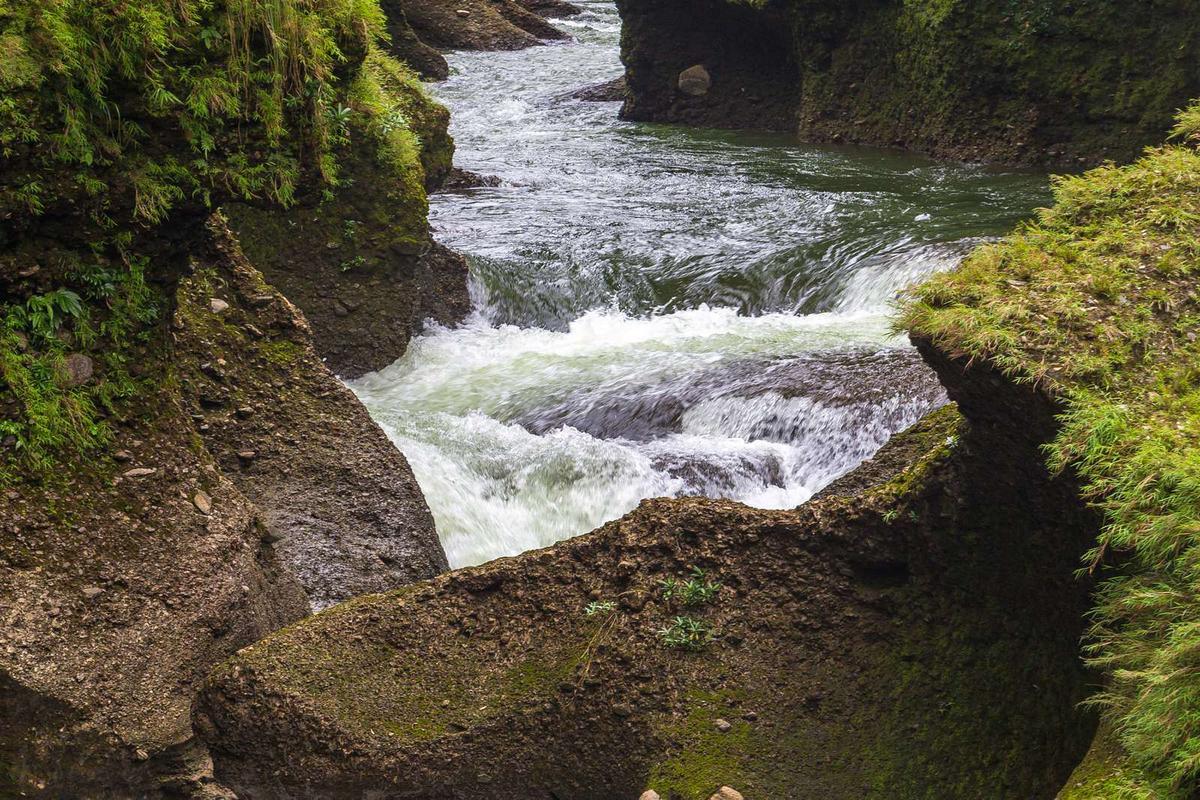
Davis Falls and Gupteshwor Mahadev Cave sit on the same southern side of town, in Chhorepatan, also ward 17, so the three make an easy outing together. Read our pages on Davis Falls and Gupteshwor Mahadev Cave before you go: each has its own ticket, and both have quirks on fees or hours.
Tips for your visit: timing, crowds and what to ask
Allow a relaxed morning or afternoon. Crowds depend on school trips and holidays: most visitors are students from Nepal's mid-hills and the Terai (the southern plains), and the same RSS report counted more than 1,000 visitors in a single day after Dashain, the main autumn festival, in October 2025.
A few things that help:
- Put the mountains first on a clear day. Peaks above Pokhara are often clear early and cloud over by midday in most seasons, so go to a viewpoint at dawn and come to the museum when the cloud builds.
- Keep it for a wet day. NTB notes that 80 per cent of Nepal's rain falls during the June to September monsoon. The museum is mostly indoors, so it suits a rainy afternoon.
- Carry your student card if you want the student rate, and ask which ID they accept.
- Ask at the counter before photographing inside. We found no published rule on photography.
Is the International Mountain Museum in Pokhara worth it?
For most visitors with a few days in Pokhara, yes: it is a clear introduction to the Himalaya, it works in any weather, and the entry fee is modest. It matters most if you are about to trek, curious about climbing history, or travelling with children. With only one clear morning, though, spend it on the mountains themselves.
It is popular with Nepali visitors as well as foreigners. Tourism Info Nepal, citing the museum, reported 95,862 visitors in 2024, of whom 22,470 were foreign visitors from outside the SAARC countries, up from 19,119 in 2023. The Rising Nepal reported visitors from 98 countries in the 2022/23 fiscal year.
After the museum: seeing the real mountains from Pokhara
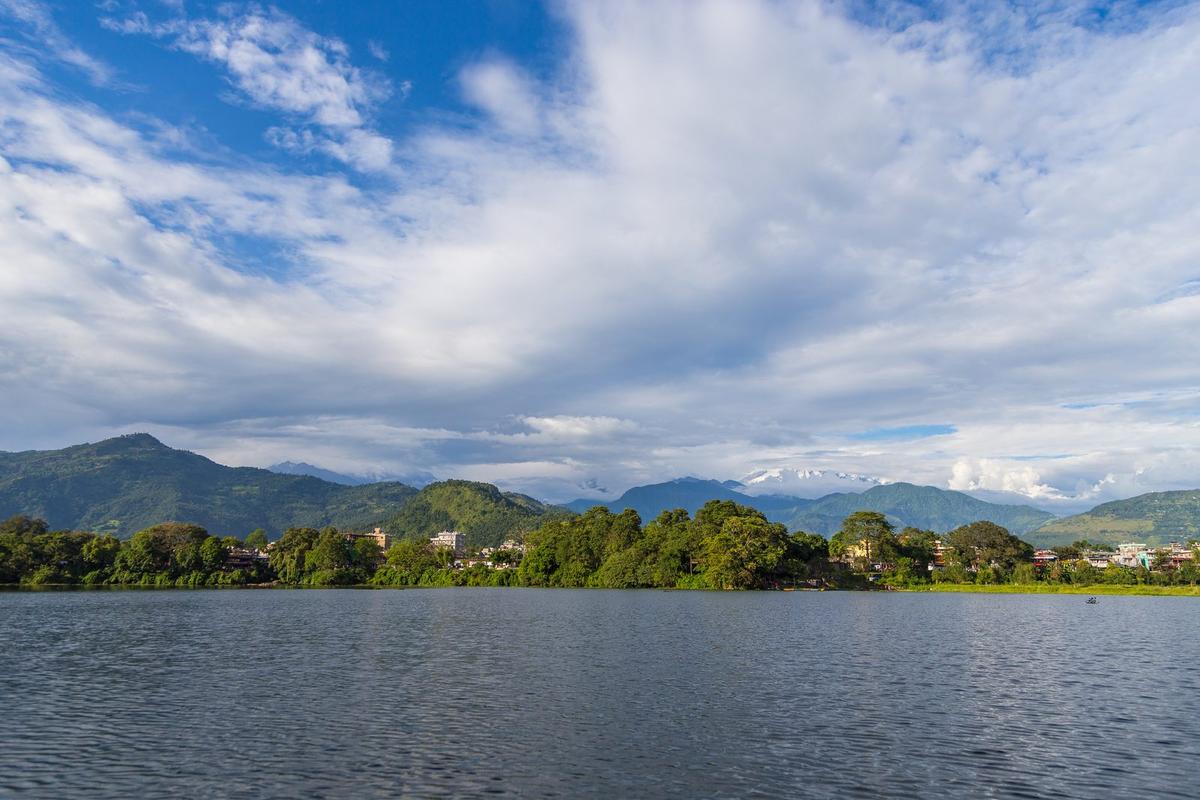
The museum shows the Himalaya on its walls; Pokhara shows it in the sky. The city sits at about 820 m, and NTB notes that "mountains above 6,000 m can be seen unobstructed from an altitude of 800 m within the distance of 28 km". NTB's climate page adds that "the clearest skies are found after the monsoon in October and November".
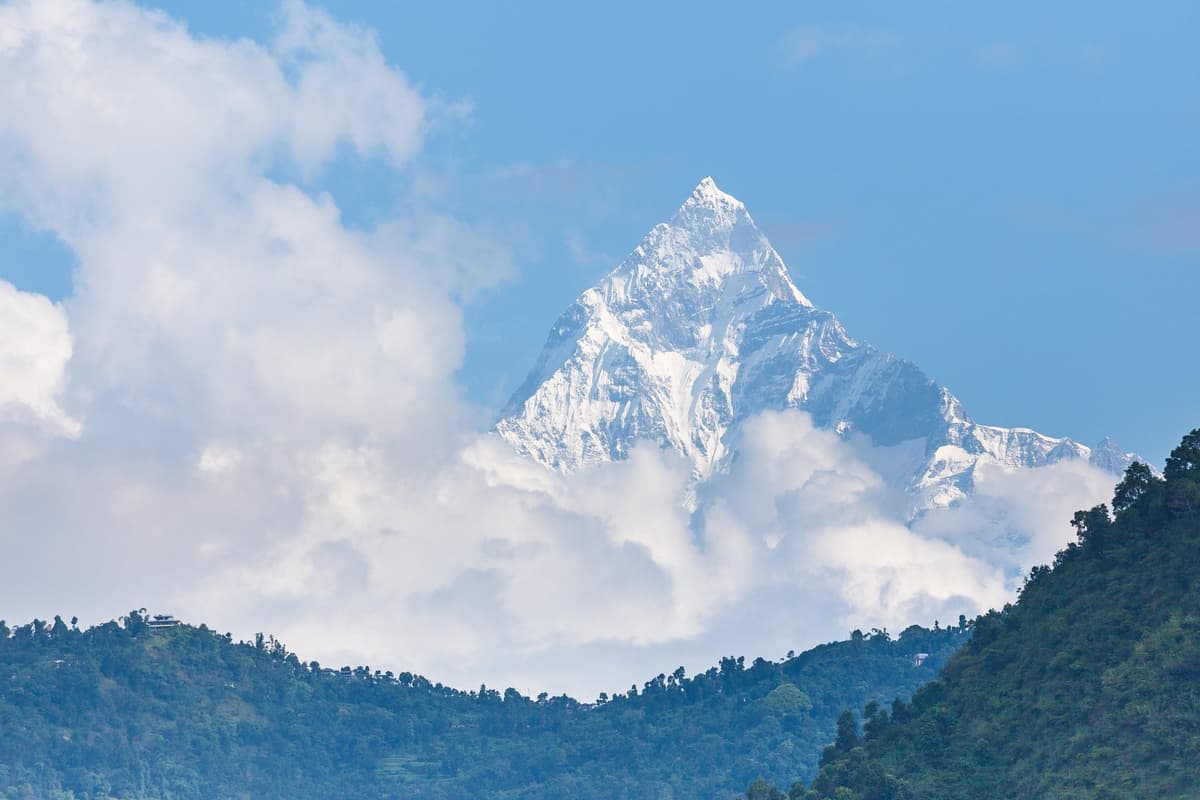
The easiest high viewpoint is Sarangkot, on the ridge above Phewa Lake, where many people go for sunrise. Machhapuchhre (the name means "fish tail") rises above the forested hills north of town. In most seasons the peaks are clearest early and cloud over by midday, and in the monsoon they are often hidden. Nobody can promise you a clear view, and we will not.
Frequently asked questions
What is in the International Mountain Museum?
The International Mountain Museum covers three themes: mountain people, the world's mountains and mountain activities. Inside you will find the culture and dress of mountain communities, material on all 14 peaks over 8,000 m, the story of Annapurna's first ascent in 1950, a yeti display and climbing history. Outside there is a Manaslu model, a climbing wall and statues of climbers and founders.
When is the best time to visit Pokhara for mountain views?
October and November, after the monsoon, usually bring the clearest skies over Pokhara. In most seasons the peaks are clearest early in the morning and cloud over by midday, so plan viewpoints for dawn. The June to September monsoon brings most of Nepal's rain, and the mountains are often hidden, though the museum and other indoor sights still work then.
What is the best season for paragliding in Pokhara, and is it safe?
Paragliding in Pokhara runs in the dry months and stops for bad weather; the monsoon cuts most flying days. Under the arrangement reported in May 2025, flights take off from Sarangkot and Toripani and land at Khapaudi by Phewa Lake, at sites set by the Civil Aviation Authority of Nepal (CAAN) and the Nepal Air Sports Association. It is regulated, not risk-free: choose an operator who can show you a licence, ask about the pilot's tandem experience, check that your travel insurance covers it, and expect weather cancellations.
How do I reach the World Peace Pagoda in Pokhara?
Take a boat across Phewa Lake and walk uphill for 45 minutes to an hour, or take a taxi from Lakeside for about 30 minutes and walk about 10 minutes to the top. Entry is free, and Pokhara Metropolitan City lists the hours as 6 am to 6 pm. Boats must stop after 6 pm, so plan your return. Our World Peace Pagoda page has more detail.
What short treks and day hikes start from Pokhara?
NTB lists day hikes to Sarangkot, Kaskikot, Naudanda, Kahun Danda and Kalikistan. For short treks, Australian Camp (2,045 to 2,060 m, depending on the source) starts from Kande, about 45 minutes to an hour by road; Poon Hill (3,210 m) takes two to three days on our trips; Mardi Himal commonly takes four to six days. Treks into the Annapurna Conservation Area need an ACAP permit, which we arrange. A licensed guide walks with you on every trek we run.
Plan your visit
The International Mountain Museum fits easily into a morning or afternoon on Pokhara's south side. For the rest of the city, see our full list of things to do in Pokhara and how to plan them.
If you would like Pokhara as part of a longer trip, our Australian Camp and Pokhara tour adds a short walk to Australian Camp, and our Bandipur, Pokhara and Lakeside tour pairs Pokhara with Bandipur. Tell us your dates and what you enjoy, and we will tell you honestly what fits. Ask us on WhatsApp or through the enquiry form.