
By Uncover Nepal Team · Checked by our Kathmandu travel team · Last checked 28 October 2026
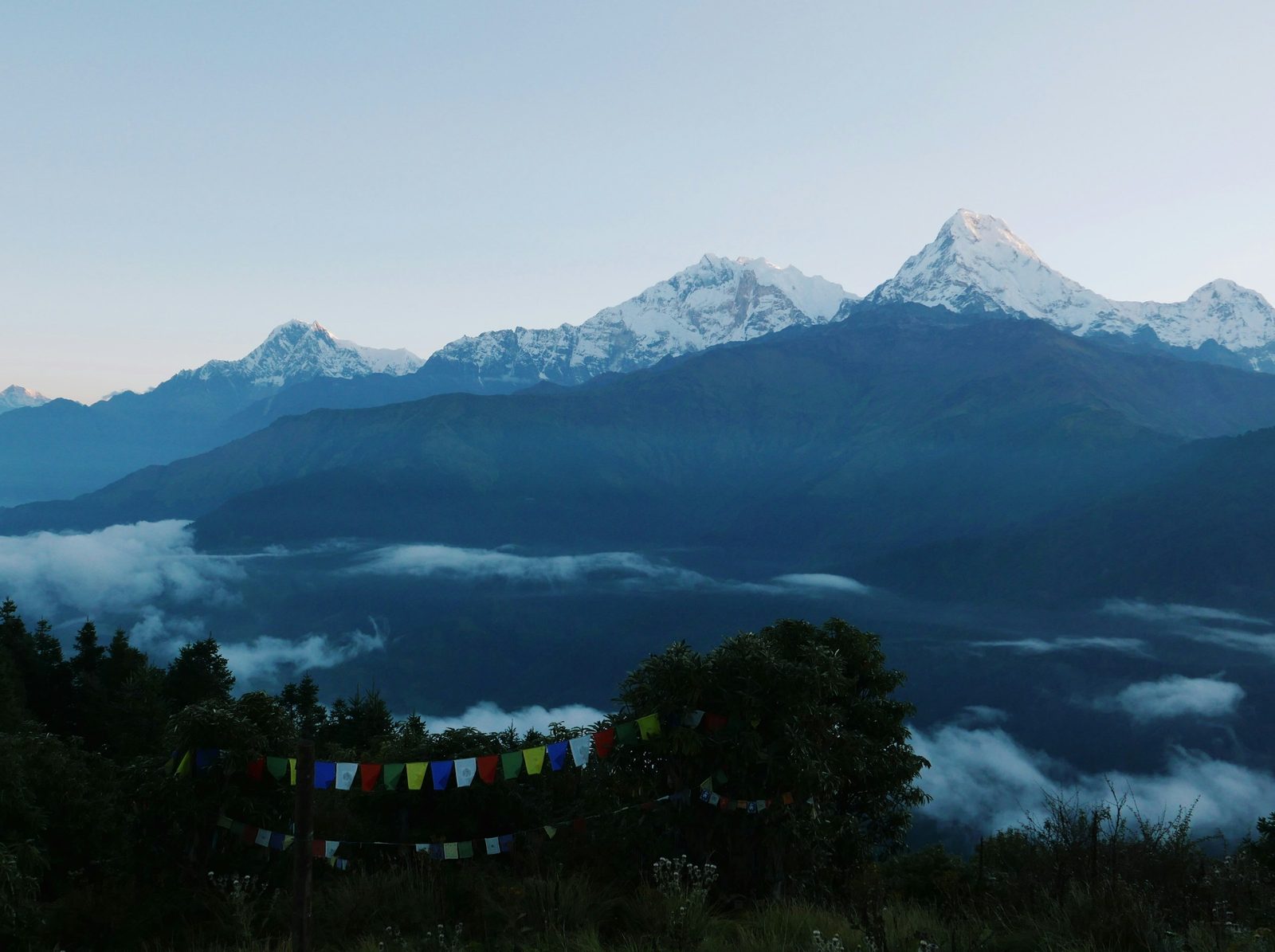
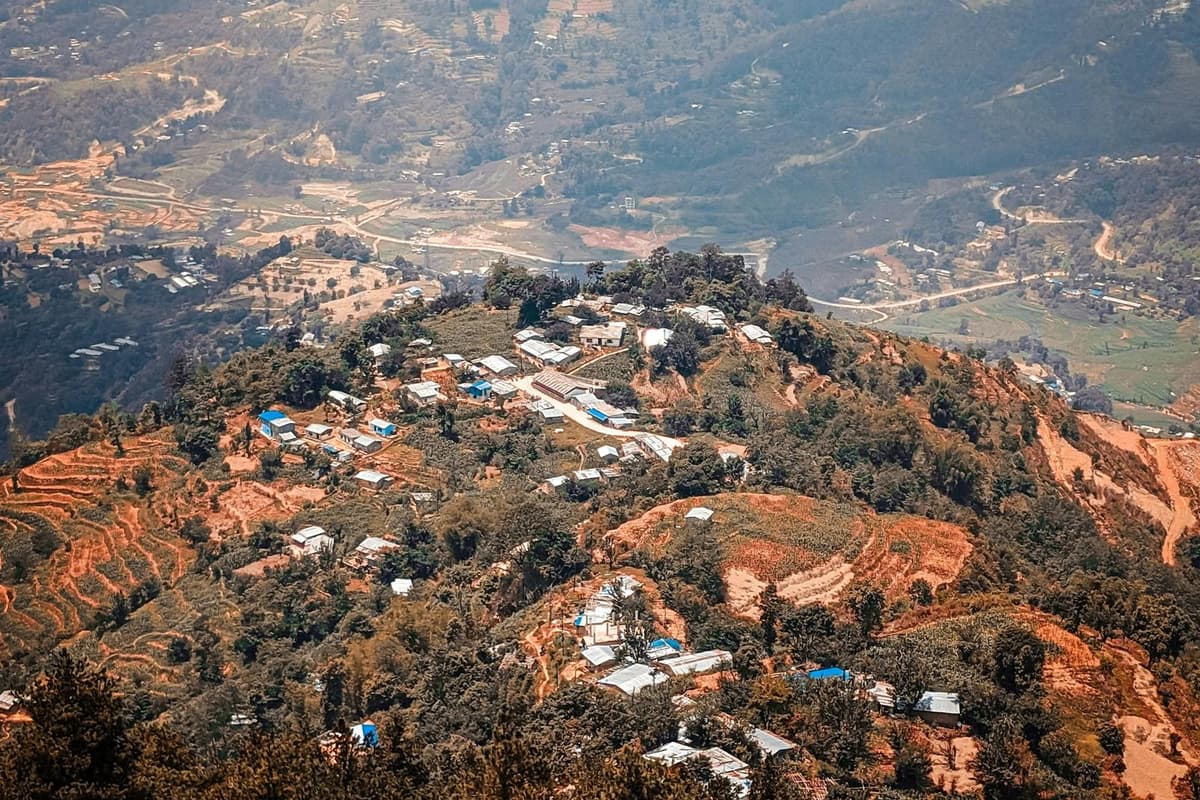
From Kande, a short drive from Pokhara, the trail climbs camp by camp to High Camp. Tea that costs NPR 80 to 150 at the lower camps costs NPR 150 to 250 at High Camp, because supplies arrive by porter or mule. Small costs that grow with height: that is most of the story.
For one person, a realistic Mardi Himal trek cost is about USD 290 on a tight budget and about USD 785 mid-range, for five walking days from Pokhara with a hired guide and the bus from Kathmandu. The only official fee is the ACAP permit, NPR 3,000, about USD 20.
Mardi Himal lies inside the Annapurna Conservation Area, so see our Annapurna Base Camp trek page for the wider region. This guide stays on money.
Key facts
- Permit you need
- ACAP entry permit (NTNC e-permit portal, 28 Oct 2026)
- ACAP fee
- NPR 3,000 foreign, NPR 1,000 SAARC, per person per entry; below 10 free (NTB, 28 Oct 2026)
- Permit bought at a checkpost
- Double fee (NTNC e-permit portal, 28 Oct 2026)
- Exchange rate used
- NPR 152.49 = USD 1, NRB sell rate (NRB, 28 Oct 2026)
- Usual trek length
- Four to six days (Kathmandu Post (2018), 28 Oct 2026)
- Highest night
- High Camp, about 3,550 to 3,600 m (Trekking agency and Wikipedia, 28 Oct 2026)
- Day's high point
- Mardi Himal Base Camp, about 4,500 m, published figure, no official source (Kathmandu Post (2018), Wikipedia, 28 Oct 2026)
- Total, one person, five days
- About USD 290 to 785 (Our sum of published ranges, 28 Oct 2026)
In this guide
- How much does the Mardi Himal trek cost in total?
- The permit and what it costs
- Getting there: Kathmandu, Pokhara and the trailhead
- Teahouse rooms and food
- Extras: showers, charging, Wi-Fi and water
- Guide and porter costs
- Insurance and emergency money
- Heights on the Mardi Himal trail
- How the season changes your budget
- Money tips
- Frequently asked questions
How much does the Mardi Himal trek cost in total?
Adding up published ranges, one person walking five days from Pokhara with a hired guide spends about USD 290 at the low end and about USD 785 at the high end, including the bus from Kathmandu and back. Flying to Pokhara instead adds roughly USD 120 to 276. The arithmetic is below.
What the totals assume:
- One person, five walking days and four teahouse nights, inside the usual four to six days.
- Budget: low end of every range, bus both ways, local bus to and from Kande, a guide, no porter.
- Mid-range: high end of every range, private jeep to Kande, exit at Siding by private vehicle, a guide and a porter.
- USD at the Nepal Rastra Bank (NRB) sell rate of NPR 152.49 on 28 Oct 2026.
- Everything except the permit is a published trekking-agency range, not an official price and not the price of our trips.
| Line | Budget: how we got it | Budget (USD) | Mid-range: how we got it | Mid-range (USD) |
|---|---|---|---|---|
| ACAP permit | NPR 3,000 ÷ 152.49 | 19.67 | NPR 3,000 ÷ 152.49 | 19.67 |
| Kathmandu to Pokhara and back, tourist bus | 12 × 2 | 24.00 | 20 × 2 | 40.00 |
| Pokhara to Kande | Local bus both ways, NPR 110 × 2 ÷ 152.49 | 1.44 | Private jeep, one way | 45.00 |
| Siding to Pokhara | Not used | 0.00 | Private vehicle | 40.00 |
| Teahouse room, 4 nights | 5 × 4 | 20.00 | 15 × 4 | 60.00 |
| Food, 5 days | 12 × 5 | 60.00 | 30 × 5 | 150.00 |
| Extras, one a day | 2 × 5 | 10.00 | 5 × 5 | 25.00 |
| Guide, 5 days | 25 × 5 | 125.00 | 35 × 5 | 175.00 |
| Porter, 5 days | None | 0.00 | 30 × 5 | 150.00 |
| Travel insurance | Low end of a two-week policy | 30.00 | High end | 80.00 |
| Total | 19.67 + 24 + 1.44 + 0 + 20 + 60 + 10 + 125 + 0 + 30 | 290.11 | 19.67 + 40 + 45 + 40 + 60 + 150 + 25 + 175 + 150 + 80 | 784.67 |
| Total in NPR | 290.11 × 152.49 | about 44,240 | 784.67 × 152.49 | about 119,655 |
If you fly to Pokhara instead
Trekking agencies publish a one-way Kathmandu to Pokhara airfare of about USD 80 to 150, "with fares fluctuating by season and airline". These are agency figures, so check the airline before you rely on them.
| Step | Budget (USD) | Mid-range (USD) |
|---|---|---|
| Total by bus | 290.11 | 784.67 |
| Take away the return bus | 290.11 minus 24.00 = 266.11 | 784.67 minus 40.00 = 744.67 |
| Add a return flight, 80 × 2 to 150 × 2 | plus 160.00 to 300.00 | plus 160.00 to 300.00 |
| Total if you fly | 426.11 to 566.11 | 904.67 to 1,044.67 |
What the totals leave out
Hotels in Kathmandu and Pokhara, gear, tips, extra drinks and airport transfers are not included. Your Nepal visa and international flights are your own arrangements; the official visa information is on the Nepal Tourism Board (NTB) website.
Sharing cuts the guide, porter and jeep lines: two trekkers sharing a guide at USD 25 a day pay USD 12.50 each.
The permit and what it costs
You need one permit, the ACAP entry permit, because Mardi Himal lies inside the Annapurna Conservation Area. ACAP stands for Annapurna Conservation Area Project. Foreign visitors pay NPR 3,000 per person per entry, about USD 20; nationals of SAARC, the South Asian regional group, pay NPR 1,000, about USD 6.56; children below 10 go free.
"Park entry fees may be paid at Tourist Service Center, Bhrikutimandap, Kathmandu, or at the entry points."
Nepal Tourism Board, park entry fees page, 2026
The fee table is on the Nepal Tourism Board park entry fees page. The permit can also be bought online through the e-permit portal of the National Trust for Nature Conservation (NTNC). Three rules change what you pay:
- The permit is single entry, non-transferable and non-refundable.
- Paying online through the NTNC e-permit portal adds a 2.9% payment gateway charge, so NPR 3,000 becomes NPR 3,087, about USD 20.24.
- A permit issued at a checkpost costs double, NPR 6,000, about USD 39.35.
Getting there: Kathmandu, Pokhara and the trailhead
Most people start at Kande or Phedi on the road out of Pokhara, and many finish at Siding. Kathmandu to Pokhara is most of a day by road, often six to nine hours with traffic and roadworks, or about 30 minutes by air. Every price below is a published trekking-agency figure, not an official fare.
| Leg | Option | Published agency price | Time |
|---|---|---|---|
| Kathmandu to Pokhara | Tourist bus | About USD 12 to 20 one way | Six to nine hours |
| Kathmandu to Pokhara | Flight | About USD 80 to 150 one way | About 30 minutes |
| Pokhara to Kande | Local bus | NPR 110 to 150 a seat, about USD 0.72 to 0.98 | 60 to 75 minutes |
| Pokhara to Kande | Shared taxi or microbus | NPR 200 to 500 a seat, about USD 1.31 to 3.28 | About 45 minutes |
| Pokhara to Kande | Shared jeep | USD 5 to 8 a person | Roughly 1.5 hours |
| Pokhara to Kande | Private taxi | NPR 2,000 to 2,500 a vehicle, about USD 13.12 to 16.39 | About 40 minutes |
| Pokhara to Kande | Private jeep | USD 30 to 45 a vehicle | Not given |
| Siding to Pokhara | Private vehicle | Around USD 25 to 40 | Not given; usually arranged the same day |
The agency rupee prices are converted at the NRB rate, not the agency's own dollar figures. We found no published shared fare from Siding, which is why the budget plan walks back to Kande.
Teahouse rooms and food
A teahouse is a simple trekking lodge with basic rooms and a shared dining room. On Mardi Himal, two trekking agencies agree that rooms cost about USD 5 to 15 a night, and food runs about USD 12 to 30 a day. Both rise as you climb, because supplies are carried up.
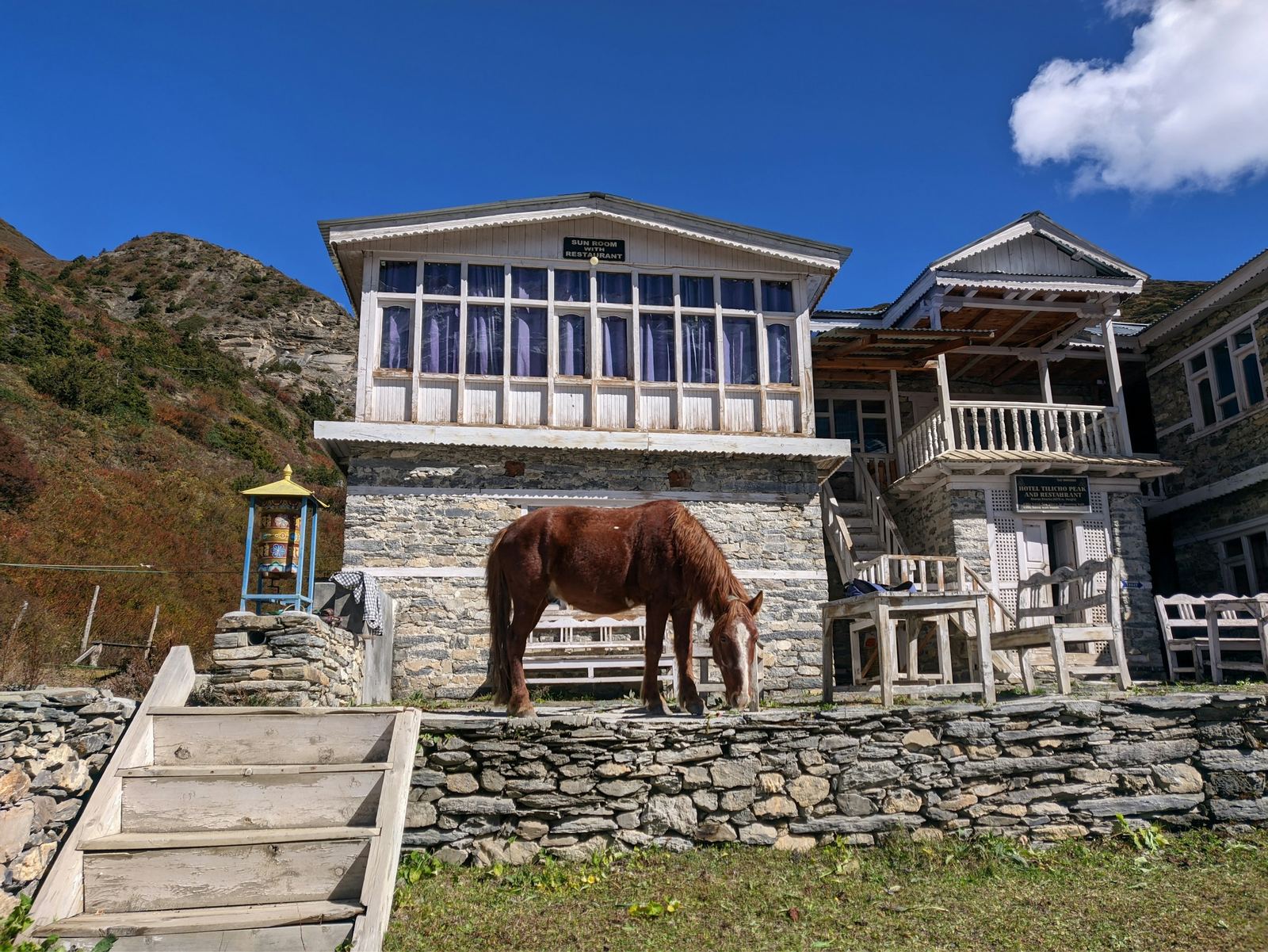
One agency breaks the room price down by camp:
| Camp | Height | Room per night (agency figure) |
|---|---|---|
| Forest Camp | About 2,500 to 2,600 m | USD 5 to 8, basic, often dormitory-style |
| Low Camp | About 3,000 m | USD 6 to 10 |
| High Camp | About 3,550 to 3,600 m | USD 8 to 12 |
| Viewpoint or Base Camp area | See the heights table | USD 10 to 15 |
On a standard itinerary you sleep no higher than High Camp.
On food, the two agencies differ: one gives USD 12 to 25 a day for three meals and drinks, the other USD 20 to 30 for three meals. Typical prices from the first:
- Dal bhat, the Nepali meal of rice, lentil soup and vegetable curry: USD 4 to 6 at all camps, with free second servings. It is the best value on the menu.
- Breakfast: USD 3 to 6.
- Tea: NPR 80 to 150 at the lower camps, about USD 0.52 to 0.98, and NPR 150 to 250 at High Camp, about USD 0.98 to 1.64.
Extras: showers, charging, Wi-Fi and water
One agency puts extras at USD 2 to 5 per use; another lists them in rupees:
| Extra | Published agency price | About USD |
|---|---|---|
| Hot shower, Forest Camp and Low Camp | NPR 300 to 600 | 1.97 to 3.93 |
| Charging a device | NPR 200 to 500; High Camp NPR 400 to 500 | 1.31 to 3.28 |
| Wi-Fi, Forest Camp and Low Camp | NPR 200 to 400 a session | 1.31 to 2.62 |
| Wi-Fi, High Camp | NPR 400 to 600 a session | 2.62 to 3.93 |
| Bottled water, 1 litre | NPR 100 to 300 | 0.66 to 1.97 |
Hot showers get scarcer and dearer higher up. Charge a power bank in Pokhara and carry a bottle with a way to treat water.
Guide and porter costs
Trekking agencies publish rates of about USD 25 to 35 a day for a licensed guide and about USD 18 to 30 a day for a porter. That is what a trekker pays. Separately, the Trekking Agencies' Association of Nepal (TAAN) announced standard daily wages for trekking staff in 2023; that is what the staff earn, not what you are quoted.
TAAN daily wages, 2023
OnlineKhabar reported in June 2023 that these rates took effect on 17 July. TAAN's general secretary, Binod Sapkota, said the rates had been standardised so that pay is equal across all trekking regions. When we checked on 28 Oct 2026, we found no newer revision.
| Role | Daily wage announced by TAAN, 2023 | About USD |
|---|---|---|
| Guide | NPR 3,100 | 20.33 |
| Assistant guide | NPR 2,800 | 18.36 |
| Porter-guide | NPR 2,500 | 16.39 |
| Porter | NPR 2,400 | 15.74 |
What trekkers are quoted
Both agencies we checked give USD 25 to 35 a day for a licensed guide; one adds USD 28 to 38 for a guide-porter and USD 35 to 45 for a senior guide. For a porter, one gives USD 20 to 30 a day for loads of 20 to 25 kg, the other USD 18 to 25 for 15 to 18 kg.
The market rate includes the agency's own costs, so do not add the TAAN wage on top. Before you agree a rate, ask whether it covers the guide's or porter's food, bed, insurance and transport to the trailhead.
Insurance and emergency money
Buy travel insurance that covers trekking and helicopter rescue. One trekking agency puts a two-week Nepal trekking policy at about USD 30 to 80. A rescue without insurance can cost several thousand US dollars.
Check three things in the policy:
- Trekking is covered up to at least about 4,500 m, the published figure for Mardi Himal Base Camp.
- Helicopter rescue and evacuation are included.
- The insurer's emergency number is saved on your phone.
Keep an emergency cash buffer too; one agency suggests USD 100 to 200.
Heights on the Mardi Himal trail
Your highest night is at High Camp, about 3,550 to 3,600 m. The day's high point is the viewpoint, about 4,200 m on one agency's figure, or Mardi Himal Base Camp, usually given as about 4,500 m; no official body publishes either figure. Height matters for cost because climbing too fast can mean adding a night.
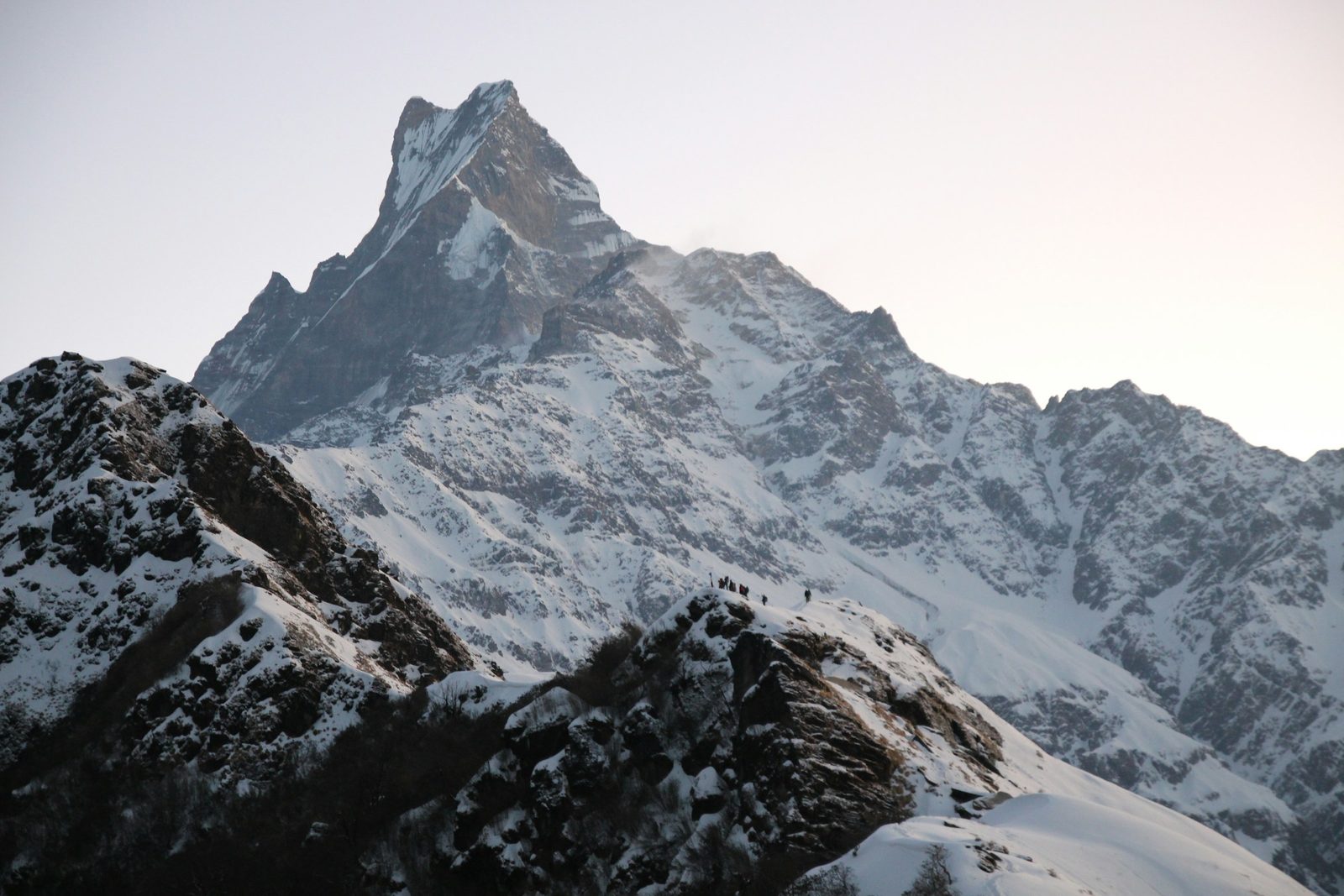
Where sources disagree, we give the range.
| Place | Height | Source |
|---|---|---|
| Pokhara | About 820 m | Our standard figure for Pokhara |
| Forest Camp | About 2,500 to 2,600 m | Kathmandu Post (2018) and an agency differ |
| Low Camp | About 3,000 m | Trekking agency |
| High Camp | About 3,550 to 3,600 m | Agency and Wikipedia differ |
| Mardi Himal viewpoint (Upper View Point) | About 4,200 m | One trekking agency |
| Mardi Himal Base Camp | About 4,500 m | Kathmandu Post (2018), Wikipedia, an agency; no official source |
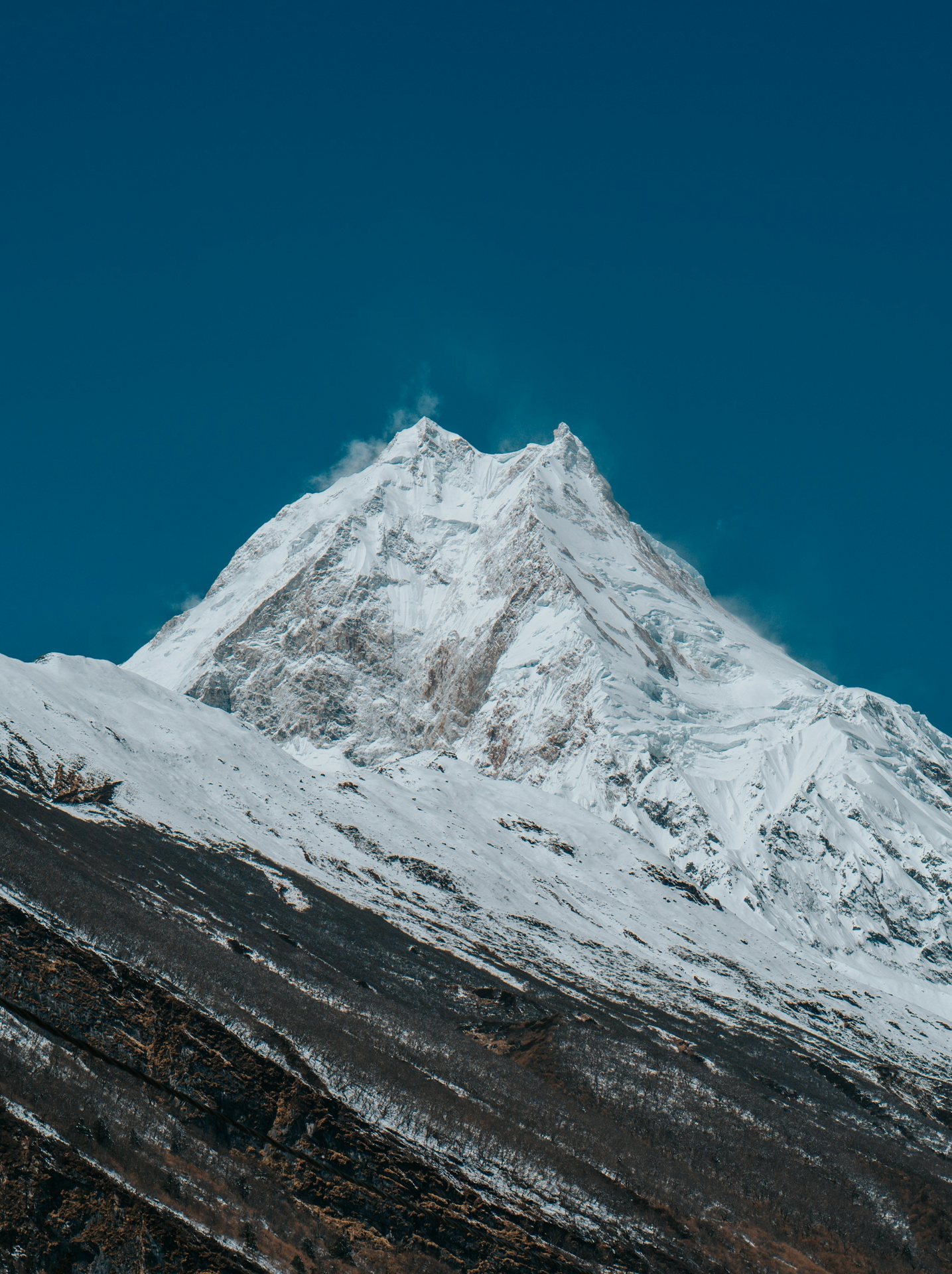
| Mardi Himal peak (not climbed) | 5,587 m | Kathmandu Post (2018), Wikipedia |
| Machhapuchhre | 6,997 m (NTB) or 6,993 m (other sources) | NTB and Kathmandu Post differ |
Altitude: what to do
Altitude sickness can start from about 2,450 m, and both Low Camp and High Camp are above that. On agency figures, Low Camp to High Camp is a step of roughly 550 to 600 m.
- Go up slowly. Above 3,000 m, try not to raise your sleeping height by more than about 500 m a night. The Low Camp to High Camp step is bigger than that, so walk it slowly, and if you have any symptoms at Low Camp, stay another night there before going on.
- On longer treks, take a rest day every three to four days.
- Walk slowly: "bistarai, bistarai", meaning "slowly, slowly". Drink plenty of water and avoid alcohol early on.
- Know the symptoms: headache, nausea, tiredness and poor sleep. Never go higher with symptoms; if they get worse, go down.
- Before the trip, ask your doctor about preventive medicine such as acetazolamide; your doctor decides if you need it and the dose.
- Garlic soup and other hot soups are a comforting local habit that helps you drink more, not a proven cure.
- Severe symptoms, such as confusion, breathlessness at rest or unsteady walking, mean you descend at once. On our trips, your guide arranges a rescue if one is needed.
More in our guide to altitude sickness on Nepal treks.
An extra night costs one more day of room, food, extras and staff. On the same ranges, that is 5 + 12 + 2 + 25 = USD 44 on the budget plan and 15 + 30 + 5 + 35 + 30 = USD 115 mid-range. Keep one spare day in your money.
How the season changes your budget
Season changes the Mardi Himal budget mostly through days, not prices: a wet or snowy spell can cost an extra night. We found no published evidence that teahouse prices rise in the busy months, so our totals do not assume they do.
- The 2026 monsoon fully withdrew from Nepal on 14 Oct 2026.
- Pokhara Airport's weather station, at 827 m, records about 3,868.3 mm of rain a year (1991 to 2020 normals). The trail has no published figure.
- Late-season storms happen. In late October 2025, snow and rain hit the western and northern Himalaya, the Annapurna Base Camp trail was closed until 31 Oct, and NTB issued a national safety advisory. Mardi Himal was not named, but plans change fast here.
- Early starts help. A Kathmandu Post reporter in 2018 was told the weather changes after eight, set off at 4 am and reached Upper View Point half an hour before sunrise.
"We sincerely urge all climbers, guides, and trekkers to prioritize safety."
Fur Galje Sherpa, President, Nepal Mountaineering Association, quoted in The Himalayan Times, 2025
Money tips
Take the cash you need for the whole trek from Pokhara, and do not plan on cards or cash machines on the trail. Teahouses work in Nepali rupees.
- Check the NRB rate on the day you change money; our figures use NPR 152.49 to USD 1.
- Ask for smaller notes. Paying NPR 150 for tea is easier without large notes.
- Plan for tips. One agency suggests about USD 8 to 12 a day, combined, for a guide and porter.
Frequently asked questions
How much money should I carry on the Mardi Himal trek?
Carry enough for room, food and one small extra a day: on published agency ranges, about USD 19 to 50 a day per person, or USD 95 to 250 for five days. Add a guide's or porter's daily rate if you pay them directly, plus an emergency buffer of about USD 100 to 200, as one agency suggests. Change it all into rupees in Pokhara.
Do I need a permit for the Mardi Himal trek?
Yes, the ACAP entry permit, because Mardi Himal is inside the Annapurna Conservation Area. It costs NPR 3,000 per person per entry for foreign visitors and NPR 1,000 for SAARC nationals, and children below 10 go free. Buy it in advance, because a permit issued at a checkpost costs double. On our trips, we arrange it for you.
Can I trek Mardi Himal without a guide?
Not on our trips. A licensed guide walks with you on every trek we run. If you organise the trek yourself and hire a guide, the guide is the biggest single line in most budgets, at about USD 25 to 35 a day on published agency rates. Sharing a guide lowers the cost per person.
How much should I tip my guide and porter on Mardi Himal?
One trekking agency suggests about USD 8 to 12 a day, combined, for a guide and porter. Treat it as a starting point; a tip is a thank-you for good service. Give it at the end of the trek, in rupees, and hand the porter's share to the porter directly.
How high is Mardi Himal Base Camp?
Mardi Himal Base Camp is usually given as about 4,500 m, by the Kathmandu Post, Wikipedia and trekking agencies, but no official body publishes the figure. You sleep lower, at High Camp, about 3,550 to 3,600 m, and walk up to the viewpoint or Base Camp and back. The peak of Mardi Himal, 5,587 m, is not climbed on the trek.
Planning your Mardi Himal trek
The Mardi Himal trek cost comes down to a few choices: bus or plane, shared or private transport, porter or not, and a spare day.
For the wider region, go back to our Annapurna Base Camp trek page. For other budgets nearby, compare the Annapurna Base Camp trek cost and the Annapurna Circuit trek cost, or read about Ghorepani for a lower walk. Our routes are on the Mardi Himal trek page.
Message us on WhatsApp or send an enquiry with your dates and group size, and we will tell you honestly which version suits your days and your budget.