By Uncover Nepal Guide · Checked by our Kathmandu travel team · Last checked 12 November 2026
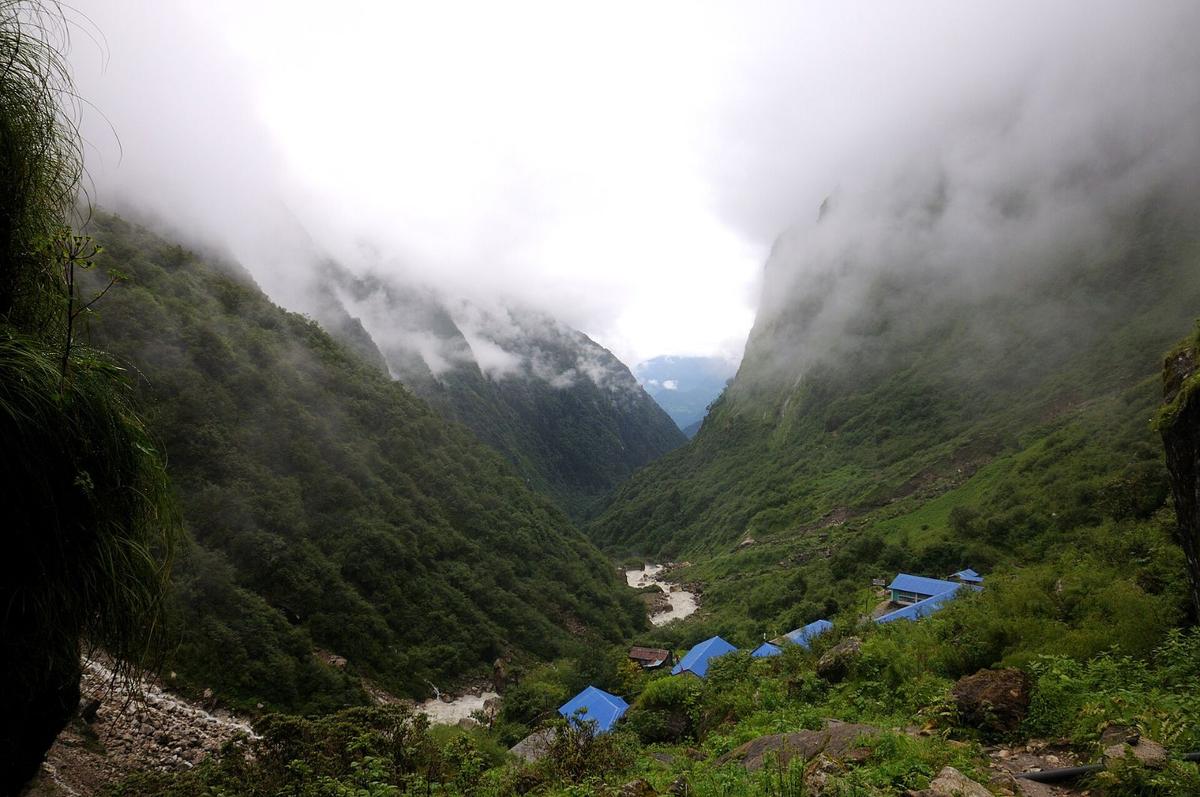
The lodges at Deurali sit close together in the Modi Khola valley, blue roofs under the cloud. This is where the length of your trek really shows. Tomorrow you either climb all the way to base camp or stop at Machhapuchhre Base Camp, and that choice is mostly made the day you book.
How many Annapurna Base Camp trek days do you need? Operators quote about 7 to 12 days from Pokhara; one guide says 12 to 14 counting the trip from Kathmandu. Five days from a jeep road head is possible, but rushed. If you can, give it 8 to 10 days from Pokhara and add a night at Machhapuchhre Base Camp.
This guide puts the common plans side by side: where each one starts, where you sleep and how fast your sleeping height climbs. For the versions we run, see our Annapurna Base Camp trek page.
In this guide
- How many days do most people take for ABC?
- Annapurna Base Camp trek days: the options compared
- Where do you start, and how much do the road heads save?
- How high do you sleep each night?
- Why does the Deurali to ABC climb matter so much?
- Can you do the ABC trek in 5 days?
- Which extra day is worth adding?
- How do you look after yourself at altitude on a short plan?
- Frequently asked questions
- Plan your ABC days with us
Key facts
- Usual length
- About 7 to 12 days from Pokhara; 12 to 14 days including the trip from Kathmandu (one guide) (Nepal Hiking Team, updated 29 Jul 2025; 10adventures, 12 Aug 2026 (checked 12 Nov 2026))
- Annapurna Base Camp
- 4,130 m (ACAP sign; Nepal Hiking Team (checked 12 Nov 2026))
- Machhapuchhre Base Camp (MBC)
- About 3,700 m (operator figure) (Nepal Hiking Team; Stingy Nomads (checked 12 Nov 2026))
- Deurali
- About 3,200 m (published 3,140 to 3,230 m) (Stingy Nomads, updated 12 Mar 2026; Nepal Alternative Treks, 23 Sep 2026)
- Getting to the trail
- Jeep from Pokhara to Ghandruk, Jhinu or Siwai, about 2.5 to 4 hours (Our trip data; Vehicle Hiring Nepal, updated 5 Oct 2026 (checked 12 Nov 2026))
- Altitude illness risk
- From sleeping at about 2,450 m without acclimatising (US CDC Yellow Book, 23 Apr 2025 (checked 12 Nov 2026))
- Ascent guidance
- Above 3,000 m, no more than about 500 m higher a night; a rest day every 3 to 4 days (Wilderness Medical Society, 2024 (checked 12 Nov 2026))
- ACAP permit
- NPR 3,000 foreign, NPR 1,000 SAARC, per entry; children below 10 free (Nepal Tourism Board (checked 12 Nov 2026))
How many days do most people take for ABC?
Most Annapurna Base Camp itineraries run about 7 to 12 days from Pokhara, according to operator guides, and one guide puts it at 12 to 14 days once you count the trip from Kathmandu. The range is wide because jeep roads now reach several starting points, and plans differ on rest days and side trips.
Check where day 1 starts. A "7-day ABC trek" can mean seven days from Pokhara or seven from Kathmandu, and those are different trips. Pokhara sits at about 820 m, a few hours from the road heads. Kathmandu is most of a day from Pokhara by road, often six to nine hours with traffic and roadworks, or about 30 minutes by air. A seven-day plan that starts and ends in Kathmandu by road usually spends day 1 and day 7 on that leg, which leaves five days for the trek.
So when you compare trips, count the walking days and look at where you sleep. The brochure total tells you much less.
Annapurna Base Camp trek days: the options compared
The common plans fall into four lengths: 5 days, 6 or 7 days, 8 to 10 days and 11 to 14 days. The longer ones mostly add nights on the lower trail or a Poon Hill detour. Only the plans that add a night at MBC change the steepest part, the climb from Deurali to base camp.
| Plan | Start and road head | Typical nights on the trail | What you gain or lose | How your sleeping height climbs |
|---|---|---|---|---|
| 5 days from Pokhara | Jeep to a road head, walk via Jhinu and Chhomrong | Upper Sinuwa, Deurali, ABC, Bamboo | Gain: fits a short holiday. Lose: five full walking days, no rest day, no spare day | Upper Sinuwa (about 2,350 m) to Deurali (about 3,200 m) to ABC (4,130 m) in two nights |
| 6 or 7 days | From Pokhara, one or two more nights. From Kathmandu, day 1 and day 7 go on the road | Adds a night lower down, such as Chhomrong or Bamboo, and often Jhinu on the way out | Gain: shorter days, the Jhinu hot springs. Lose: usually still a big jump to ABC in one night | Usually about 900 m or more to ABC in one night |
| 8 to 10 days | Jeep to Ghandruk and out from Jhinu, or drive to Banthanti and walk in over Ghorepani. From Kathmandu, 10 days is roughly the 8-day Pokhara plan plus the road | Ghandruk, Chhomrong, Bamboo, Deurali, ABC, Bamboo, Jhinu; with Poon Hill, Ghorepani and Tadapani first | Gain: Ghandruk, steadier days, room for Poon Hill or an MBC night. Lose: more days away | Nights at about 2,170 to 2,350 m, then Deurali and ABC, unless you add MBC |
| 11 to 14 days | From Kathmandu with the road at each end, or from Pokhara with Poon Hill plus extra nights | As above, plus a night at MBC, a rest day (often at Chhomrong or Bamboo) and a spare day | Gain: closest to the 500 m guidance, margin for snow. Lose: time and the cost of extra nights | Deurali (about 3,200 m), MBC (about 3,700 m), ABC (4,130 m): steps of about 500 m or less |
Stops vary by operator, so treat each row as a pattern, not a fixed plan. If you add one day to any of them, we would add the night at MBC.
Where do you start, and how much do the road heads save?
You start in Pokhara and take a jeep to a road head such as Ghandruk, Jhinu or Siwai, about 2.5 to 4 hours depending on which one and the state of the road. These roads have cut out much of the old walk in, which is why five- and six-day plans exist at all.
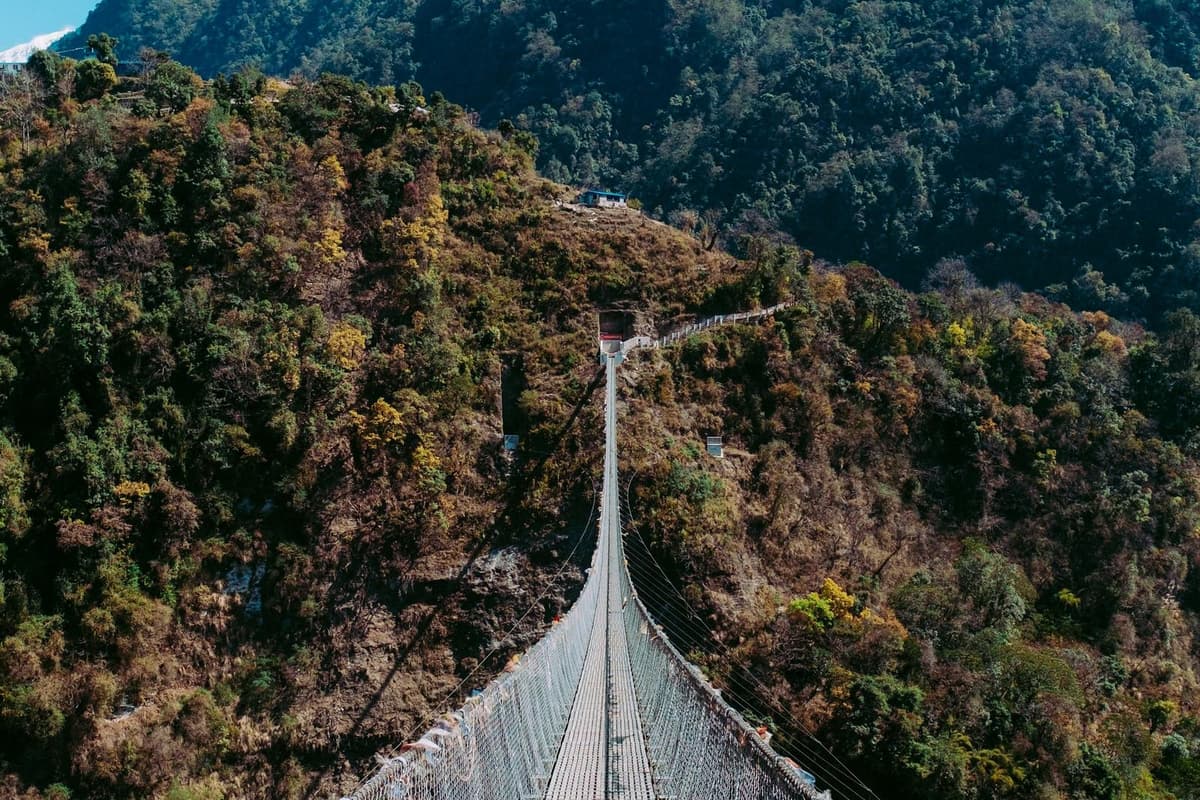
Many ABC treks once began at Nayapul, about 42 km from Pokhara (1.5 to 2 hours by road, operator figures), and walked up through the villages. Now a jeep does much of that. On the Poon Hill side, a jeep from Pokhara reaches Ghorepani in a few hours, where it once took a five-day walk, Nepalnews reported in July 2026.
"Jeeps now ply roads where only trekkers once walked."
Nepalnews, 21 July 2026
The road does not change the top of the trek. Every plan still walks from Chhomrong up the Modi Khola valley into the Sanctuary and climbs to 4,130 m on foot. The road saves time at the bottom; your body still needs the same time at the top.
Jhinu and Siwai get you to Chhomrong fastest. Ghandruk gives you a night in a village before the trail proper. To walk in over Poon Hill instead, read our Ghorepani guide.
How high do you sleep each night?
On a common plan you spend two or three nights at similar heights, between about 2,170 m and 2,350 m, then sleep at Deurali at about 3,200 m and at ABC at 4,130 m. Below 3,000 m the trail goes up and down a lot. Above it, the height comes fast.
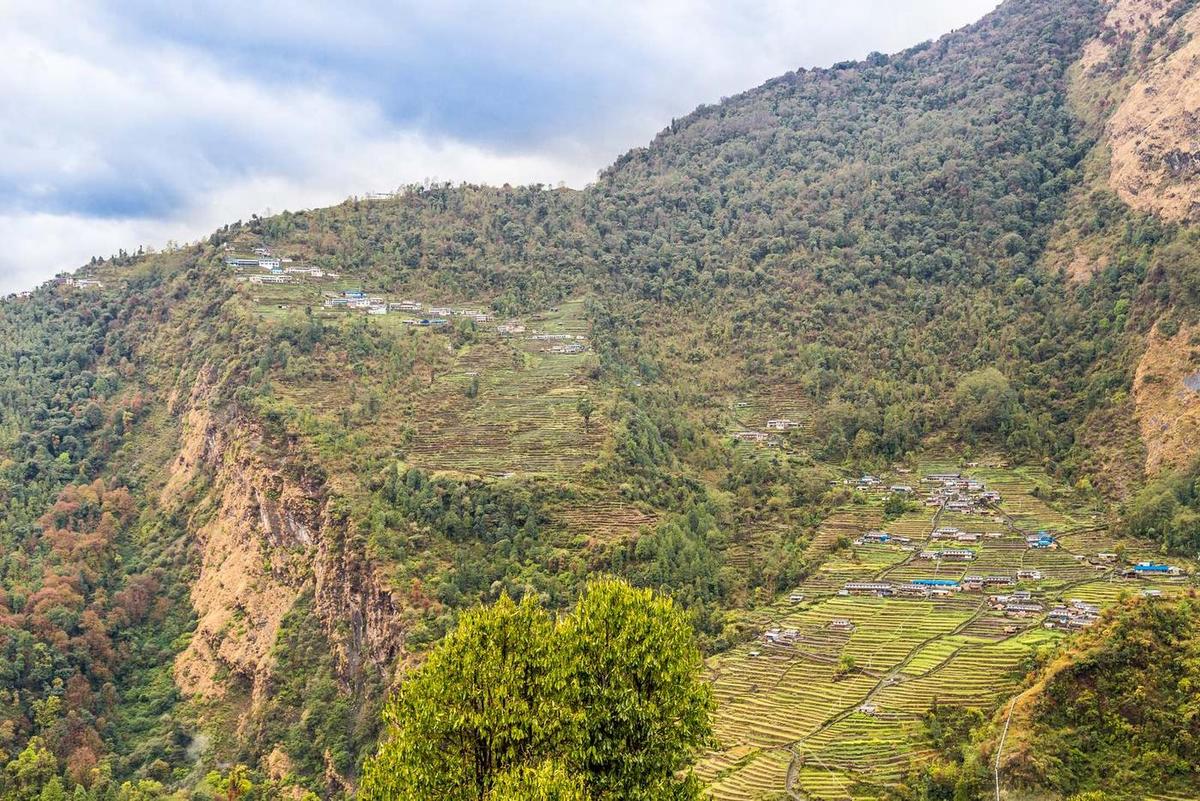
Published figures differ by a few tens of metres, so we round and say "about".
| Stop | Sleeping height | Notes |
|---|---|---|
| Pokhara | About 820 m | Base before and after |
| Jhinu Danda | About 1,780 m | Hot springs a short walk below; entry paid separately |
| Chhomrong | About 2,170 m | Many plans pass it up and down |
| Upper Sinuwa | About 2,350 m | Lower Sinuwa is a little lower |
| Bamboo | About 2,310 m | Common on the way up and down |
| Dovan | About 2,600 m | A higher alternative to Bamboo |
| Deurali | About 3,200 m | Last night below the Sanctuary on most plans |
| Machhapuchhre Base Camp | About 3,700 m (operator figure) | The night that splits the top climb |
| Annapurna Base Camp | 4,130 m | The high point |
With Poon Hill, the first nights are at Ghorepani, about 2,850 m, and Tadapani, about 2,600 m. Poon Hill itself, 3,210 m, is a sunrise walk from Ghorepani, not a place you sleep.
The shape is plain. On a plan that sleeps at Chhomrong, Sinuwa or Bamboo, you stay below the 2,450 m mark the US CDC uses for altitude risk until Deurali. Then the height comes all at once: about 900 m up to Deurali one night and about 900 m more to ABC the next.
Why does the Deurali to ABC climb matter so much?
The climb from Deurali to ABC is about 900 m and it is the steep, hard part of the trek. On most itineraries, short ones included, you sleep at Deurali one night and at ABC the next. That is close to twice the guidance of about 500 m a night above 3,000 m.
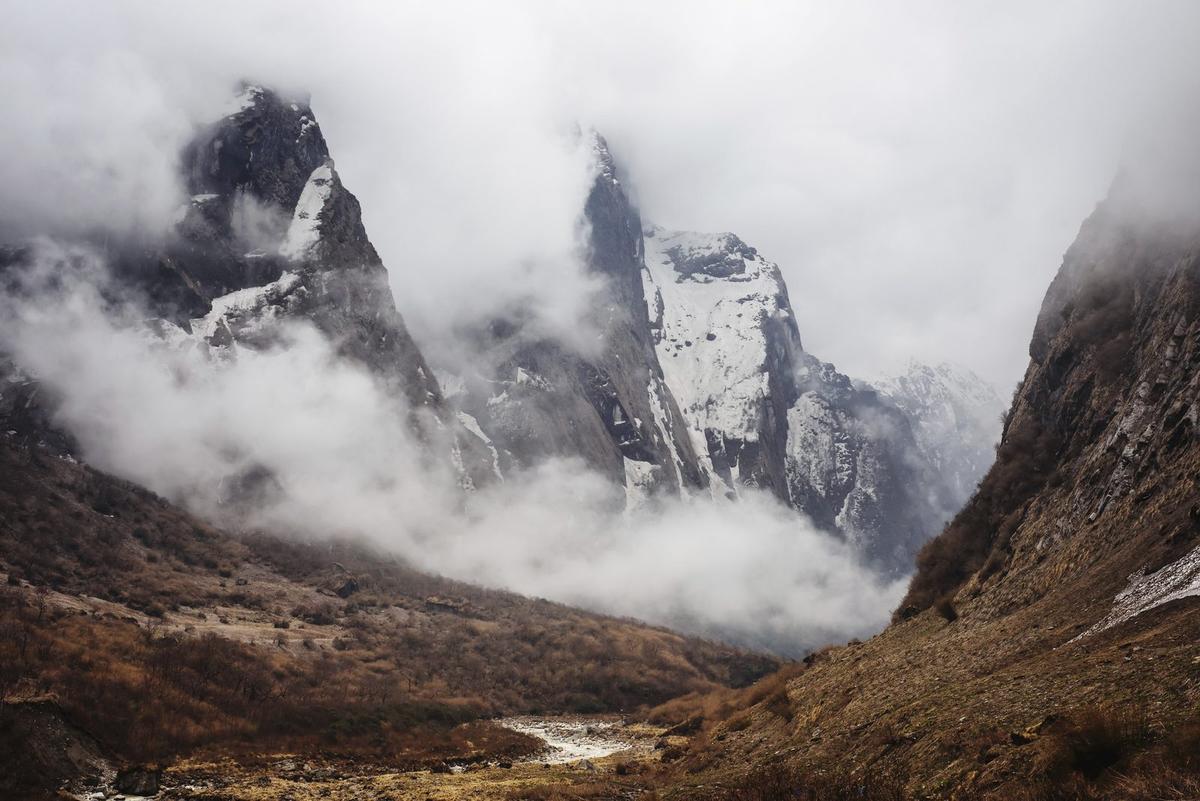
The fix is to sleep at Machhapuchhre Base Camp. Deurali at about 3,200 m to MBC at about 3,700 m, then on to ABC at 4,130 m, turns one big step into two that sit within the guidance. It costs one day, and it is a common choice on longer operator itineraries. Sleeping at Dovan, about 2,600 m, rather than Bamboo the night before Deurali also makes the climb to Deurali shorter.
If your plan has no room for MBC, walk slowly, tell your guide about any symptoms early and be ready to turn back. Our ABC difficulty guide covers the avalanche-prone stretch of this section and the months when the risk is highest.
Can you do the ABC trek in 5 days?
Yes, but it is rushed. A five-day ABC trek from Pokhara works with a jeep to the road head and five full walking days, with no rest day. It is the fastest common plan, and it takes you from about 2,350 m to 4,130 m in two nights, which breaks the altitude guidance.
A typical five-day pattern sleeps at Upper Sinuwa, Deurali, ABC and Bamboo, then walks back over Chhomrong to the road. Every day is a full one, with no buffer if snow closes the top or someone feels unwell.
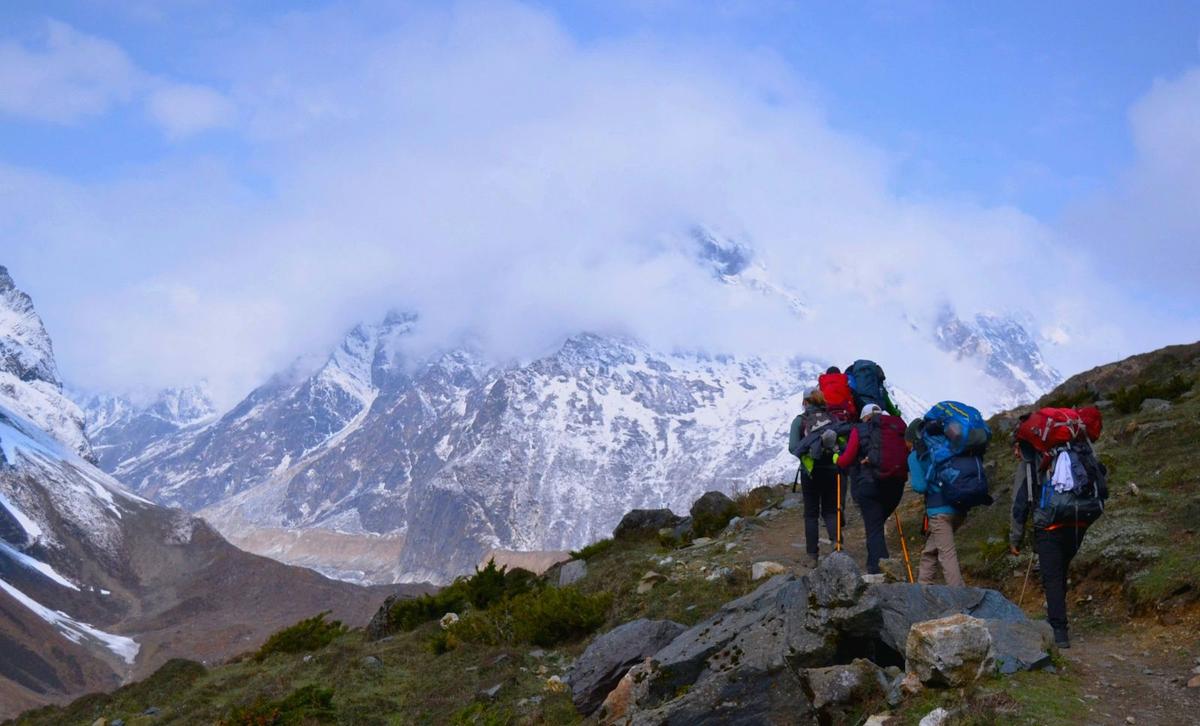
It can make sense if you are fit, already in Pokhara, short of time and ready to turn back if your body says so. If you have never slept above about 3,000 m, or you are bringing older parents or teenagers, give yourself more days. One more night lower down eases the walking; a night at MBC eases the altitude, which matters more.
Which extra day is worth adding?
Add a night at Machhapuchhre Base Camp first: it is the only extra day that changes the steepest rise in sleeping height. Next, a spare day for weather is worth more than a rest day low down. Poon Hill is the add-on for a different view and route in, not for acclimatisation.
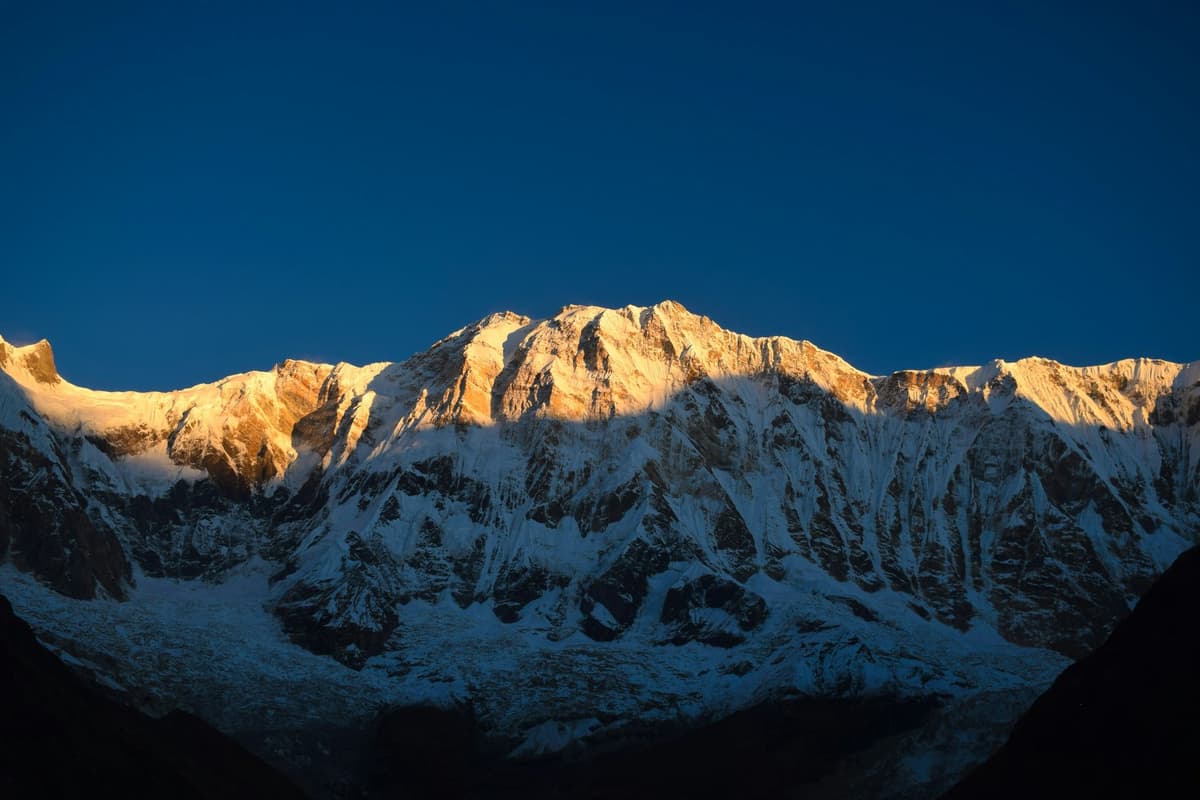
- A night at MBC. Splits the Deurali to ABC climb into two smaller steps. For the altitude, nothing else does as much.
- A spare day for weather. The Department of Tourism advised trekkers to stay away from high areas from 28 October to 1 November 2026, and in late October 2025 Annapurna Rural Municipality closed the ABC trail during a storm (The Himalayan Times, 28 Oct 2025). As of 12 November 2026 we found no official closure notice for the ABC trail, but moderate snowfall was reported in high areas on 11 November, so check the week you go.
- A rest day. The guidance is one every 3 to 4 days above 3,000 m, but on ABC you spend only two or three nights that high. A rest day low down, often at Chhomrong or Bamboo, mostly rests your legs.
- Poon Hill. Walking in over Ghorepani and Tadapani changes the route in, so how many days it adds depends on the plan.
How do you look after yourself at altitude on a short plan?
Go up slowly, walk slowly and know the symptoms. Above 3,000 m the guidance is no more than about 500 m of extra sleeping height a night, with a rest day every 3 to 4 days. A short ABC plan cannot always follow that, so the other habits matter more.
- Walk slowly, "bistarai, bistarai", as we say: slowly, slowly.
- Drink water through the day and skip alcohol for the first days at height.
- Know the symptoms: headache, nausea, tiredness and poor sleep.
- Never go higher with symptoms. If they get worse, go down.
- Severe symptoms, such as confusion, breathlessness at rest or unsteady walking, mean you descend at once and get medical help. Our guide arranges a rescue if needed.
- Ask your doctor before the trip about preventive medicine such as acetazolamide.
Garlic soup and other hot soups are a comforting local habit that helps you drink more, not a proven cure. Our guide to avoiding altitude sickness goes further.
Frequently asked questions
How many days do I need for ABC, and can I start from Pokhara?
Most people need about 7 to 12 days from Pokhara, and Pokhara is the usual start. A jeep takes you to a road head such as Ghandruk, Jhinu or Siwai in about 2.5 to 4 hours. Starting in Kathmandu adds the Pokhara leg each way: most of a day by road, or about 30 minutes by air.
How hard is the ABC trek (the stairs), and is it OK for a first Himalayan trek?
It is hard work but not technical, and a fit beginner who trains and walks slowly can do it. The stone steps, especially around Chhomrong, are what most legs feel, and the climb from Deurali is steep. Give yourself enough days to sleep at MBC. Our ABC difficulty guide explains the stairs and a training plan.
How much does the ABC trek cost, and do I need a package?
The one fixed official cost is the ACAP permit: NPR 3,000 for foreign nationals and NPR 1,000 for SAARC nationals per entry, with children below 10 free. It costs double if it is issued at a checkpost (NTNC e-permit portal). Rooms, food, transport and a guide make up the rest. Our ABC trek cost guide adds it all up, with or without a package.
Is a guide mandatory for the Annapurna Base Camp trek now?
Not on our trips. A licensed guide walks with you on every trek we run. Nepal Tourism Board's rule requiring a licensed guide on listed routes has applied since 1 April 2023 (NTB lists 31 March 2023). Not every authority reads it the same way: in the Everest region, the Khumbu Pasang Lhamu Rural Municipality says a guide is not compulsory in Khumbu. Check the current position before you go.
Annapurna Base Camp or Everest Base Camp: which is right for me?
ABC suits you if you have fewer days and want to start by road. Everest Base Camp is higher, 5,364 m against 4,130 m, and most people take about 11 to 14 days Lukla to Lukla. The Lukla flight depends on the weather, and in the busiest months the government moves Lukla flights to Ramechhap, so check with the airline when you book. Our EBC vs ABC comparison sets the two side by side.
Plan your ABC days with us
Our Annapurna Base Camp trek page shows the versions we run, from 5 to 11 days. For other treks that start in Pokhara, see our trek packages from Pokhara. If you want a night at MBC, a spare day or Poon Hill built in, tell us your dates and we will plan the days around it.
Message us on WhatsApp or send an enquiry and we will reply with honest options.