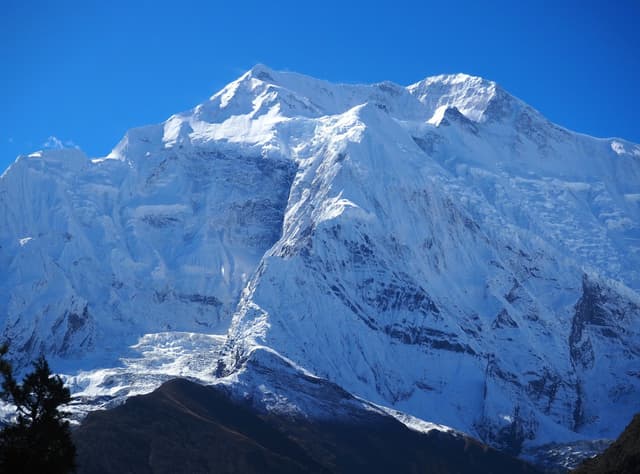
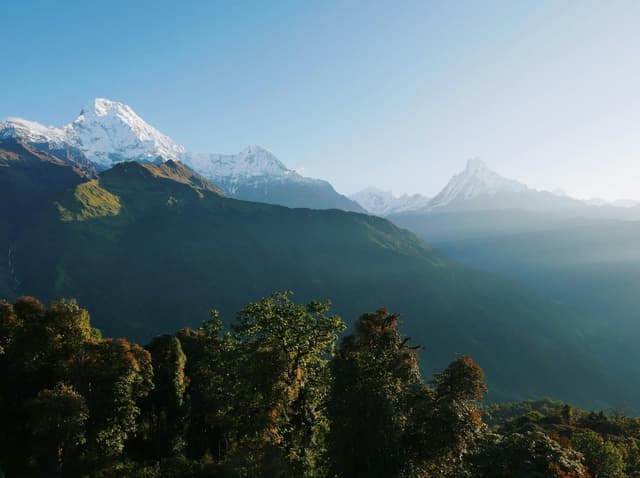
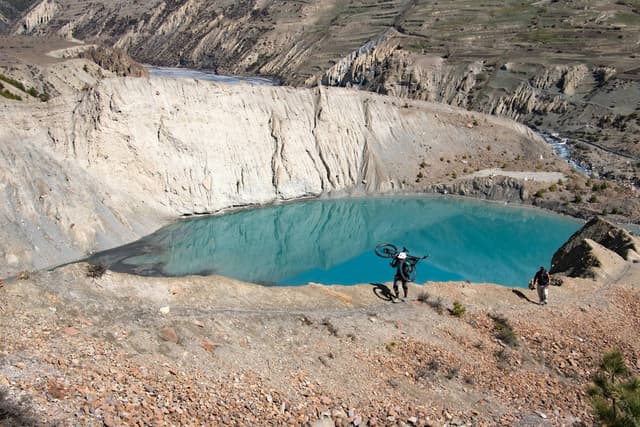
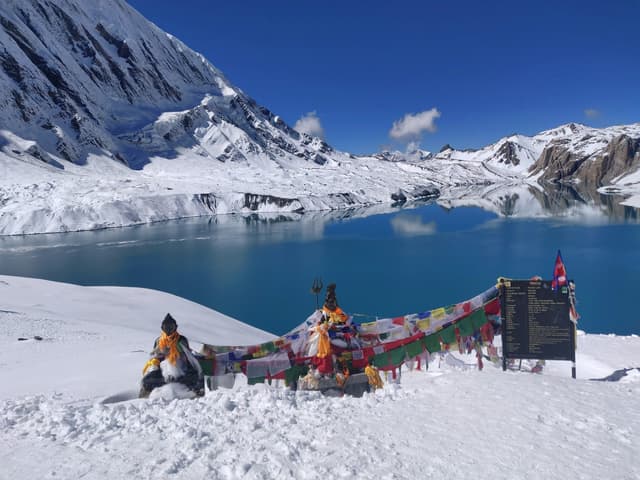
Every Annapurna trek on this page is run by our own team in Kathmandu, and a licensed guide walks with you on every trek we run. The region is protected as the Annapurna Conservation Area, Nepal's first conservation area, run by the National Trust for Nature Conservation.
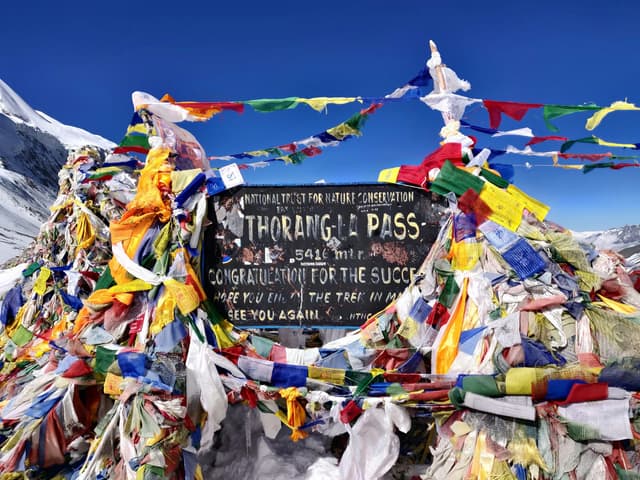
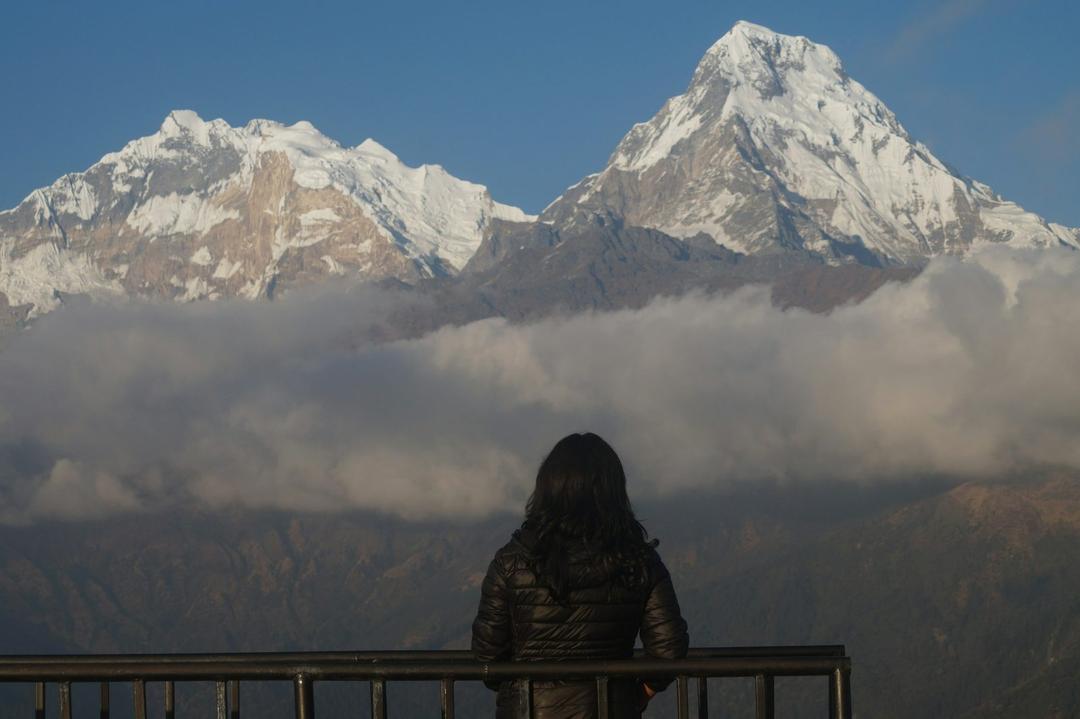
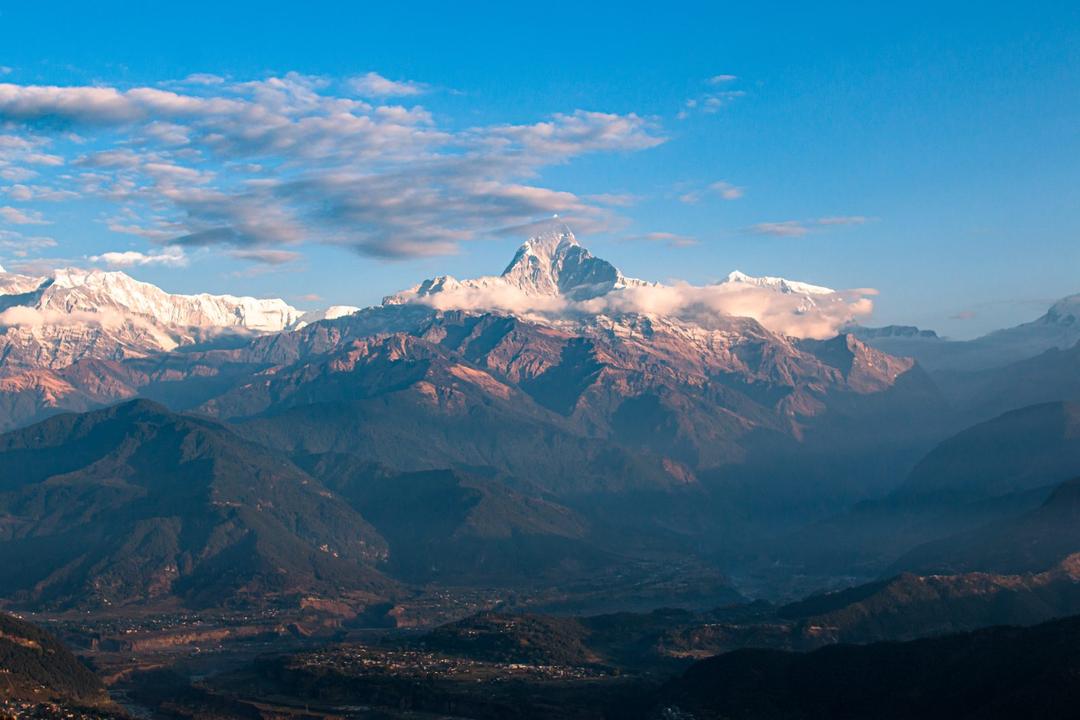
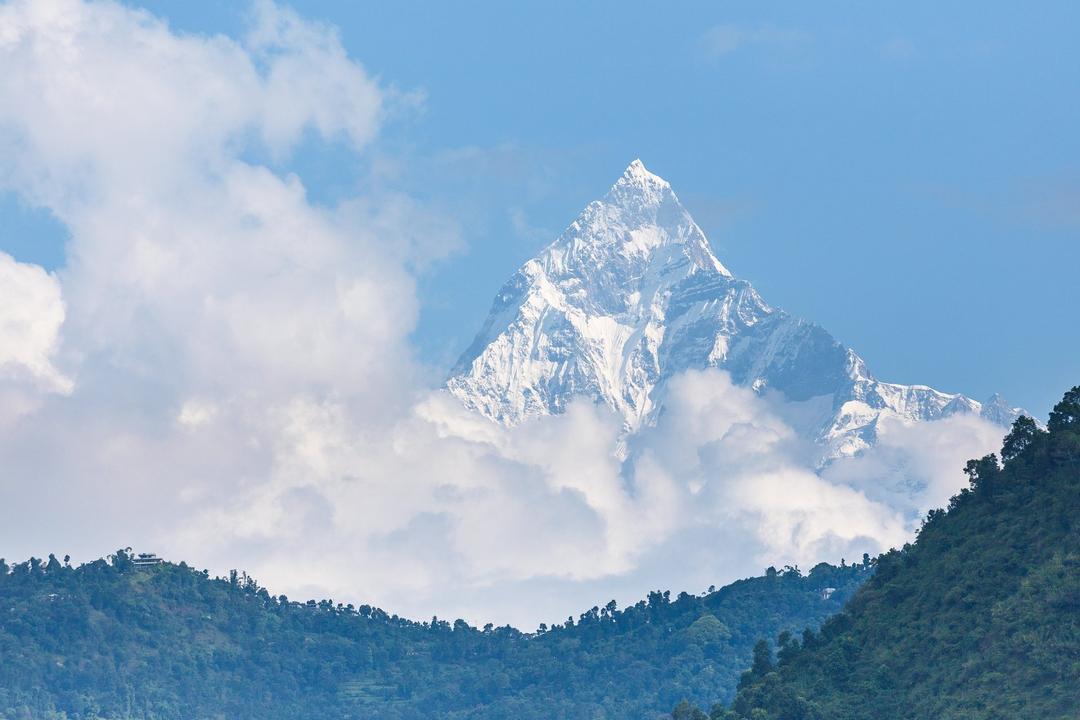
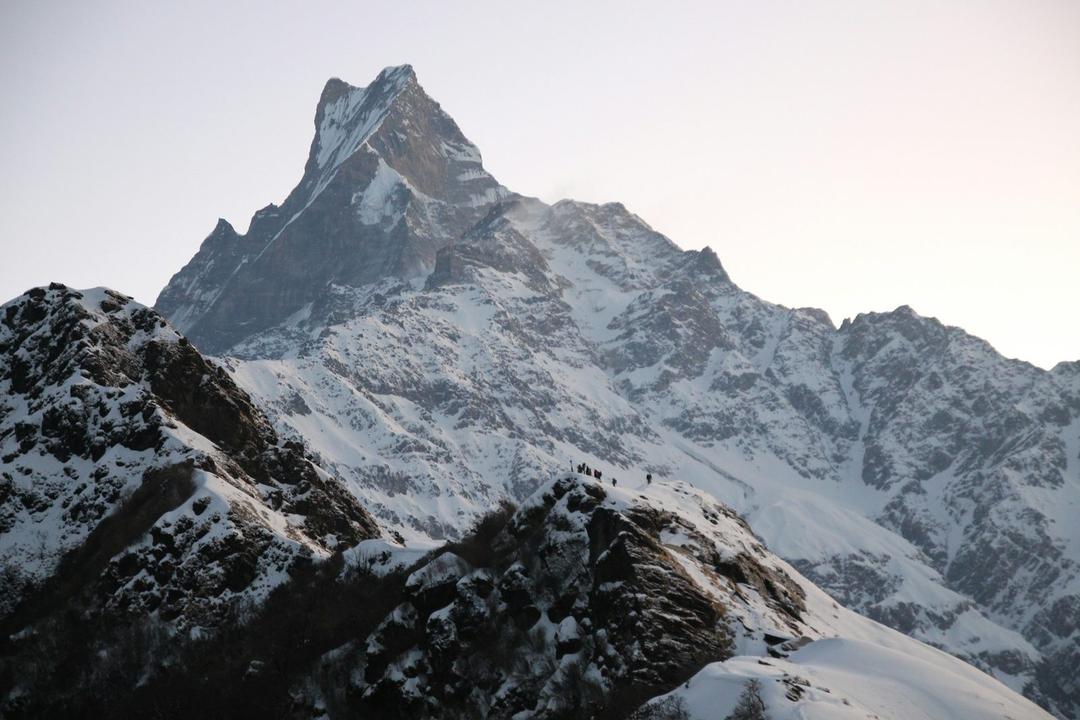
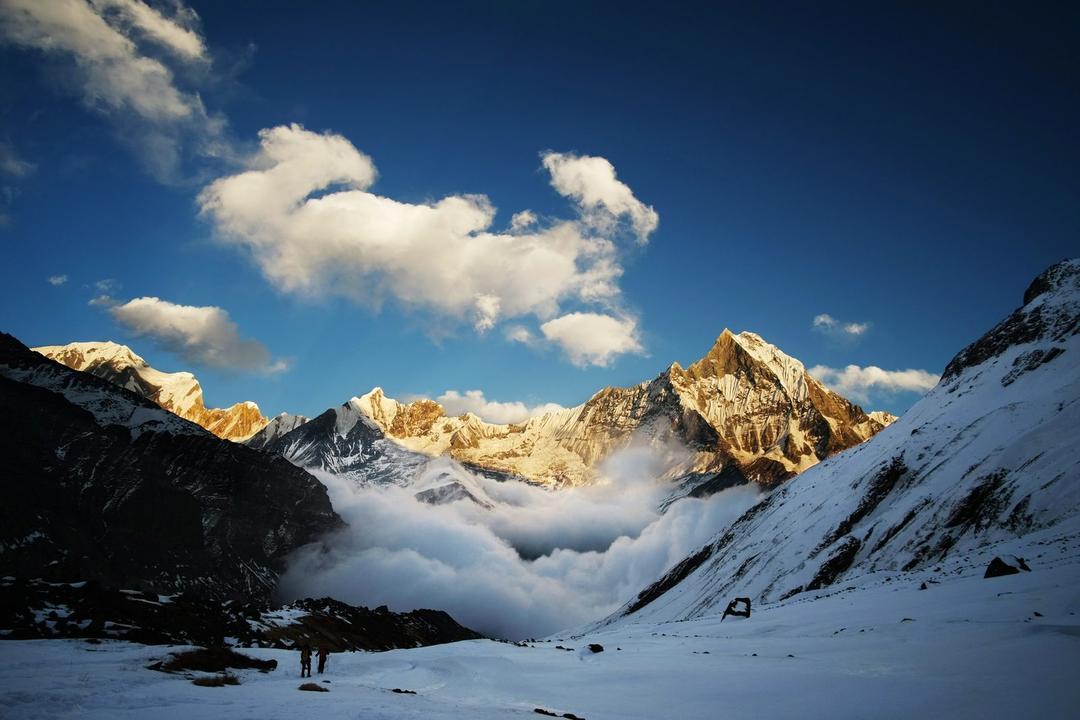
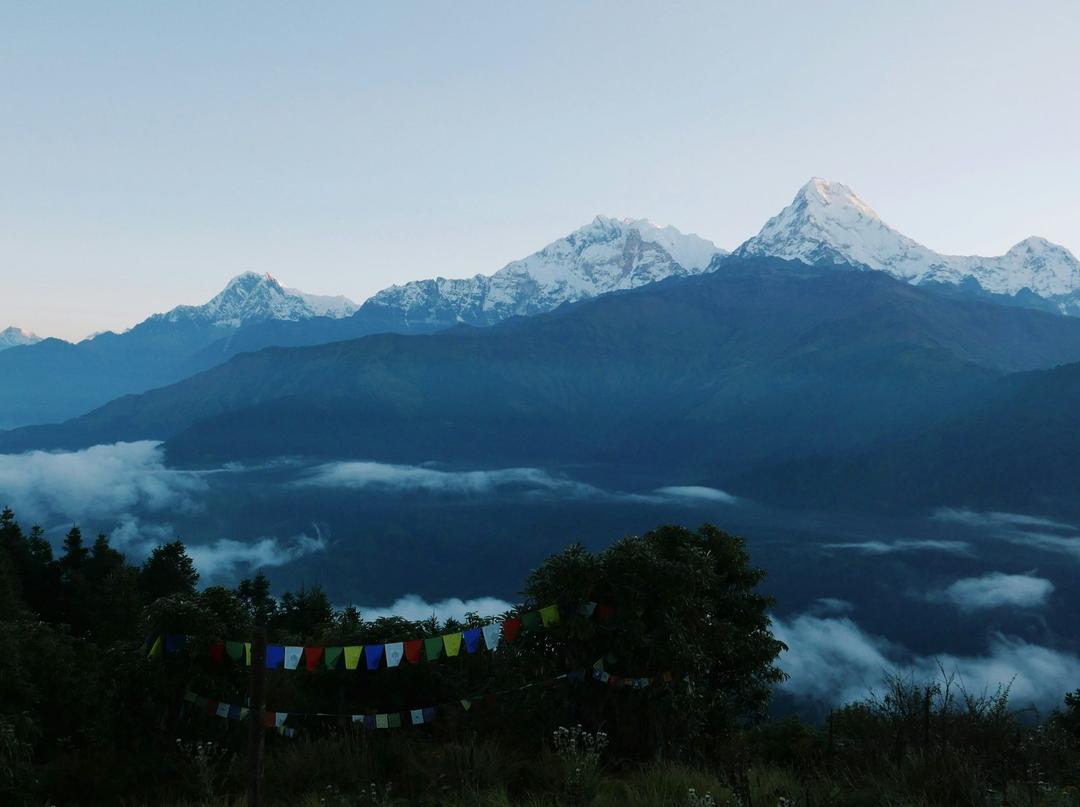
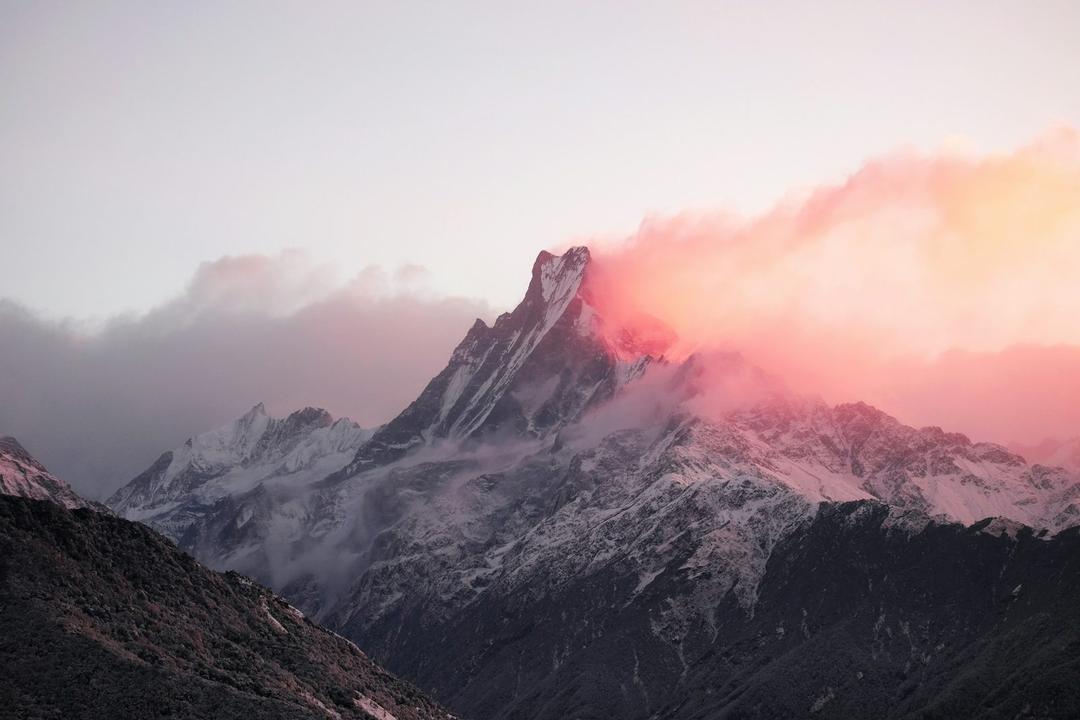
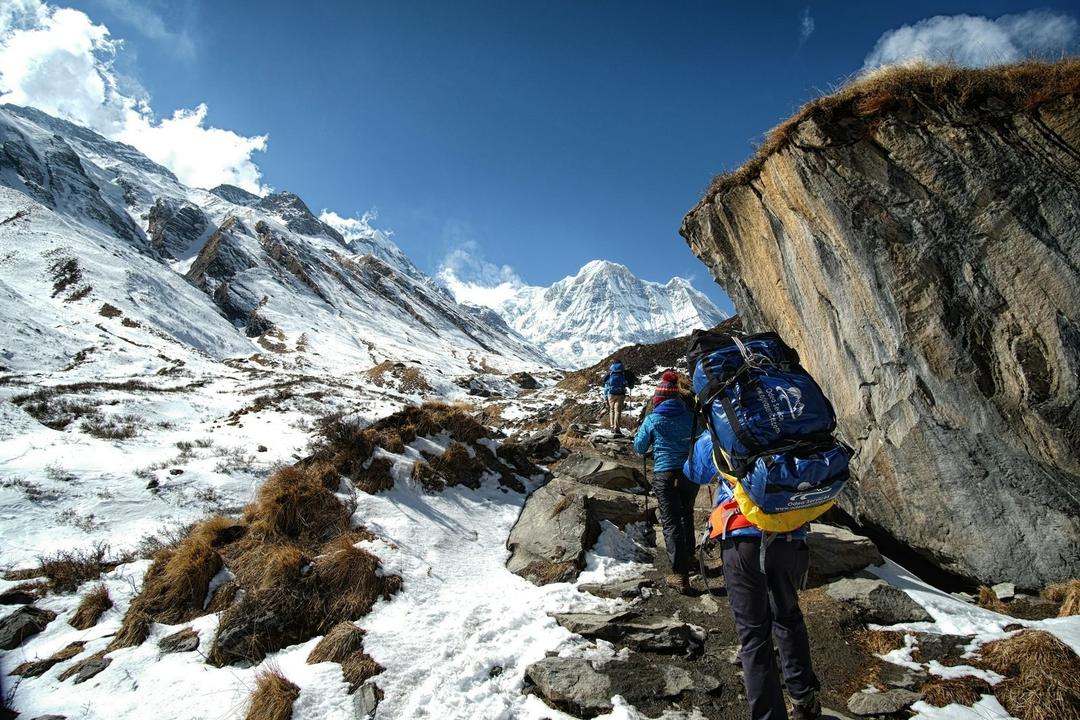
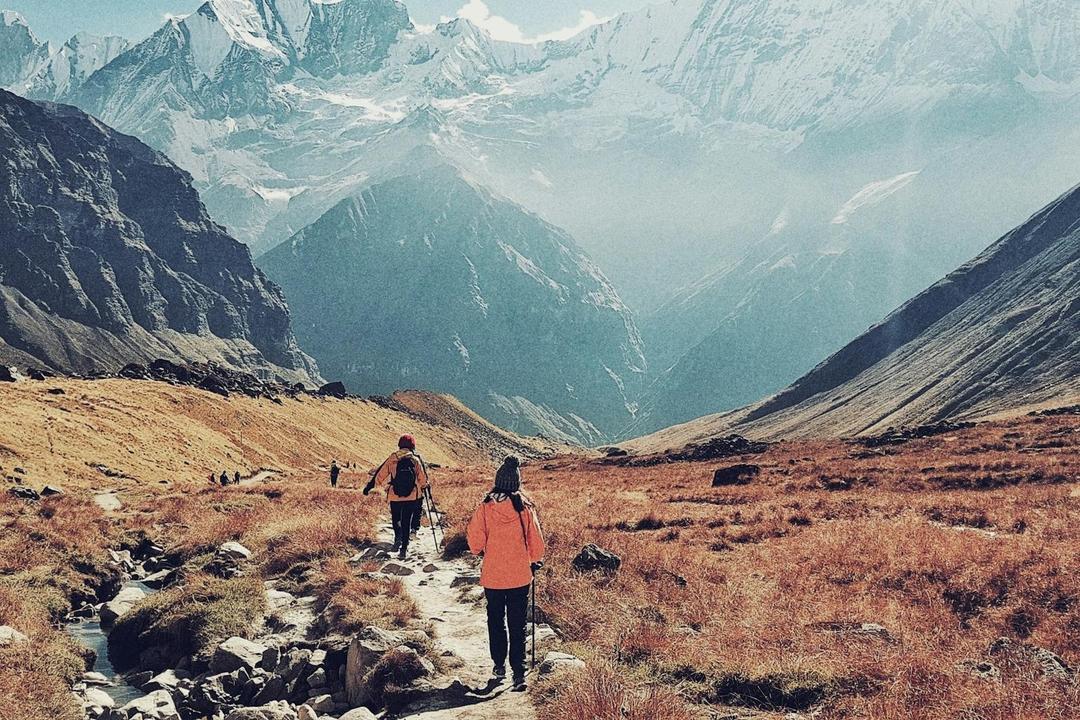
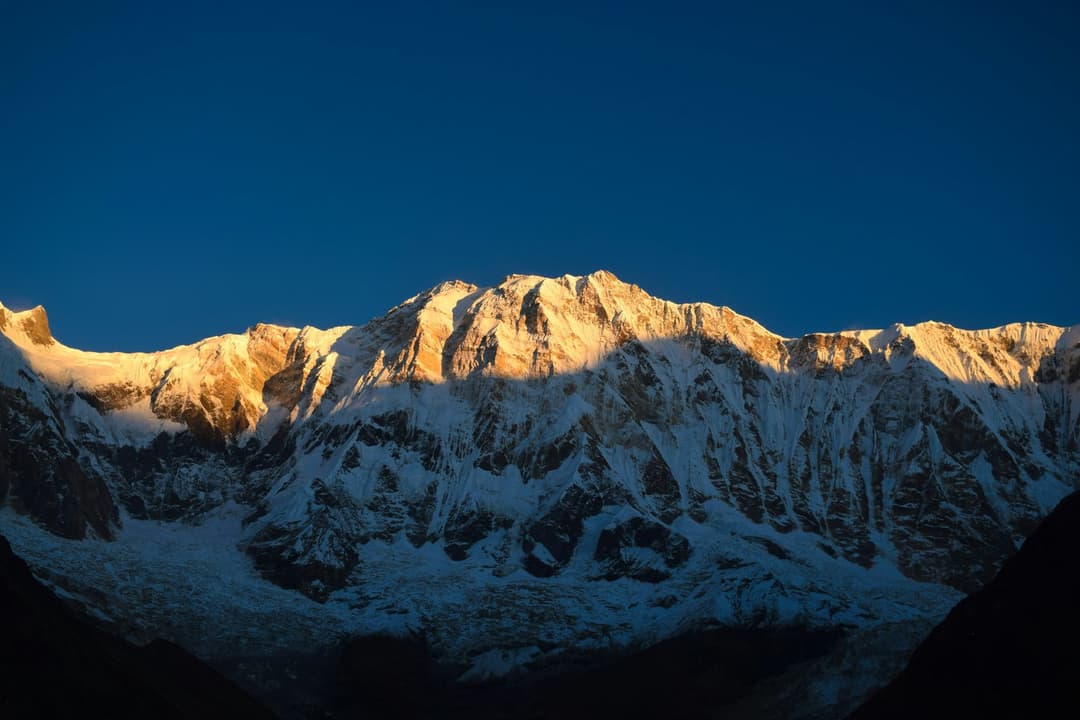
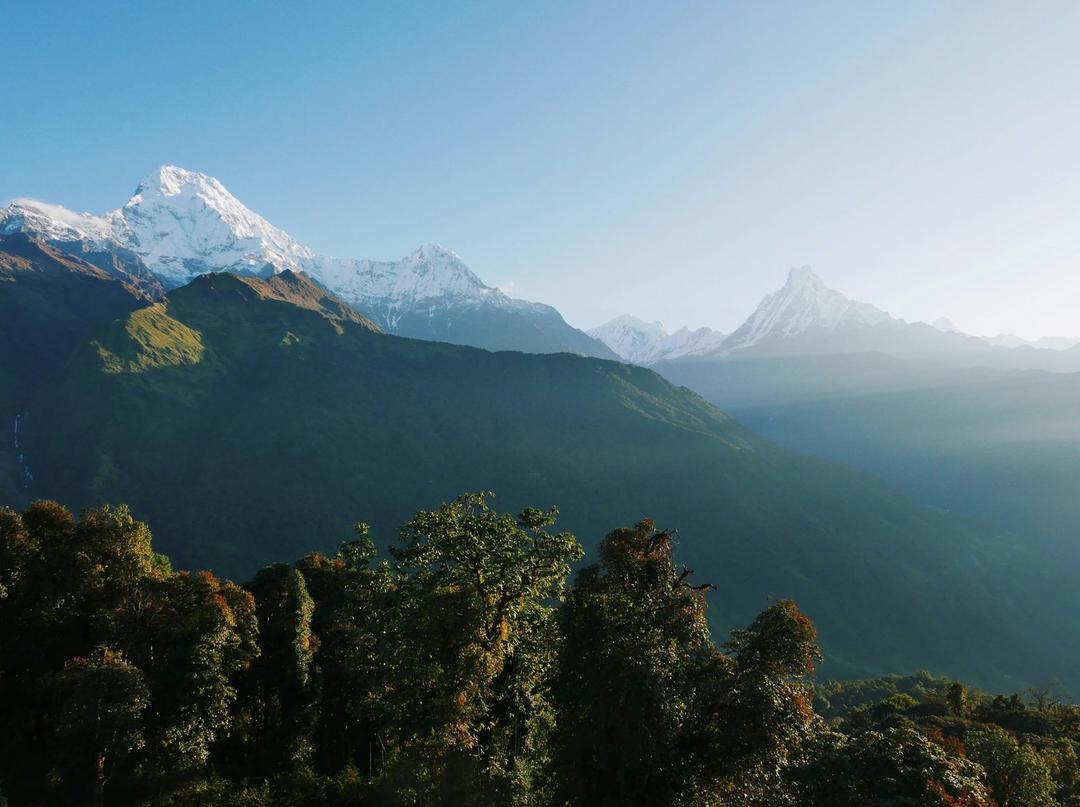
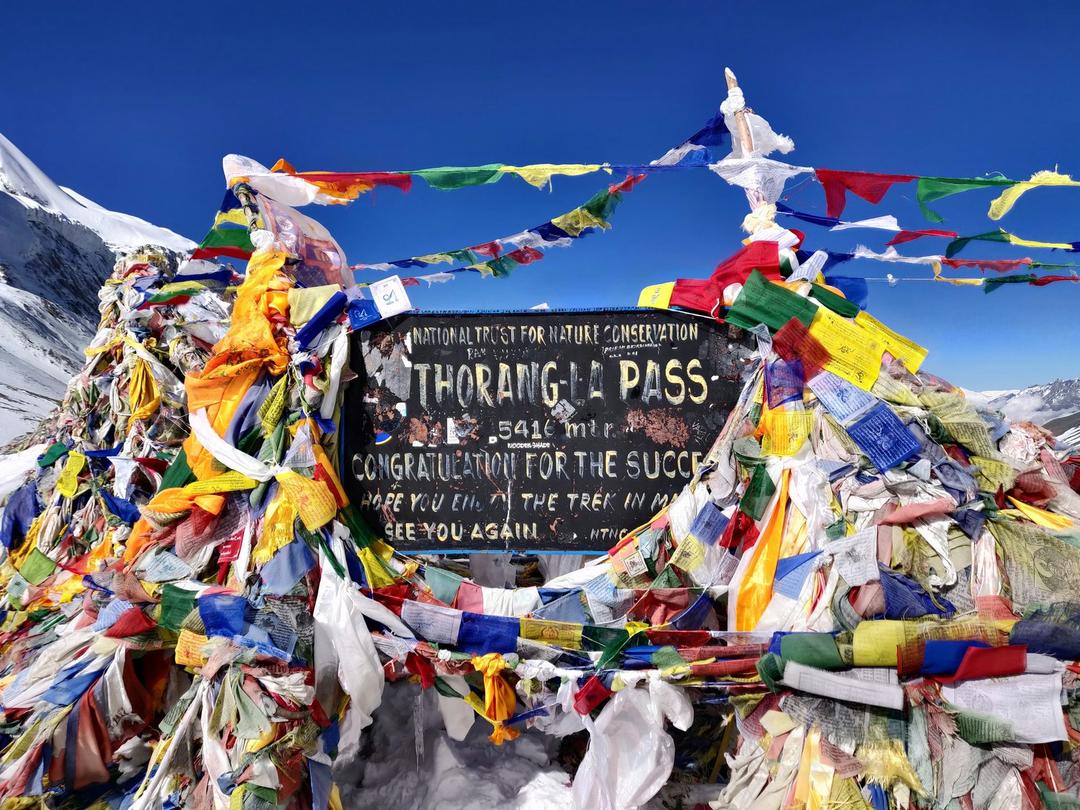
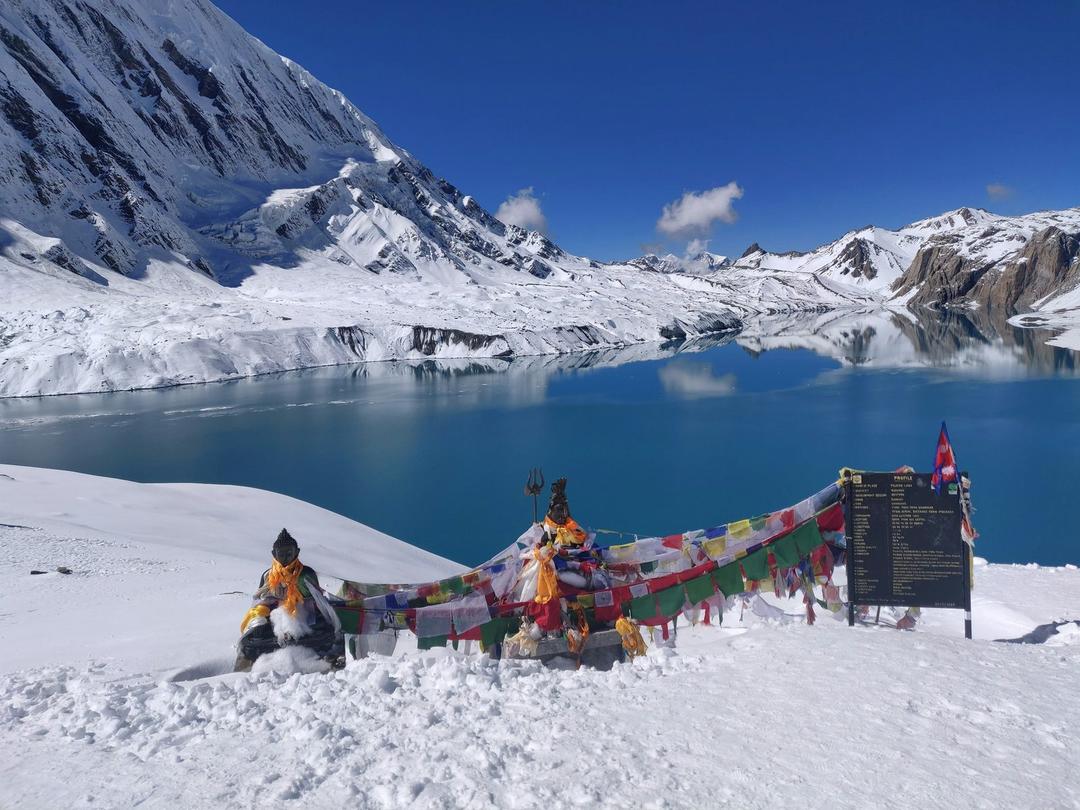
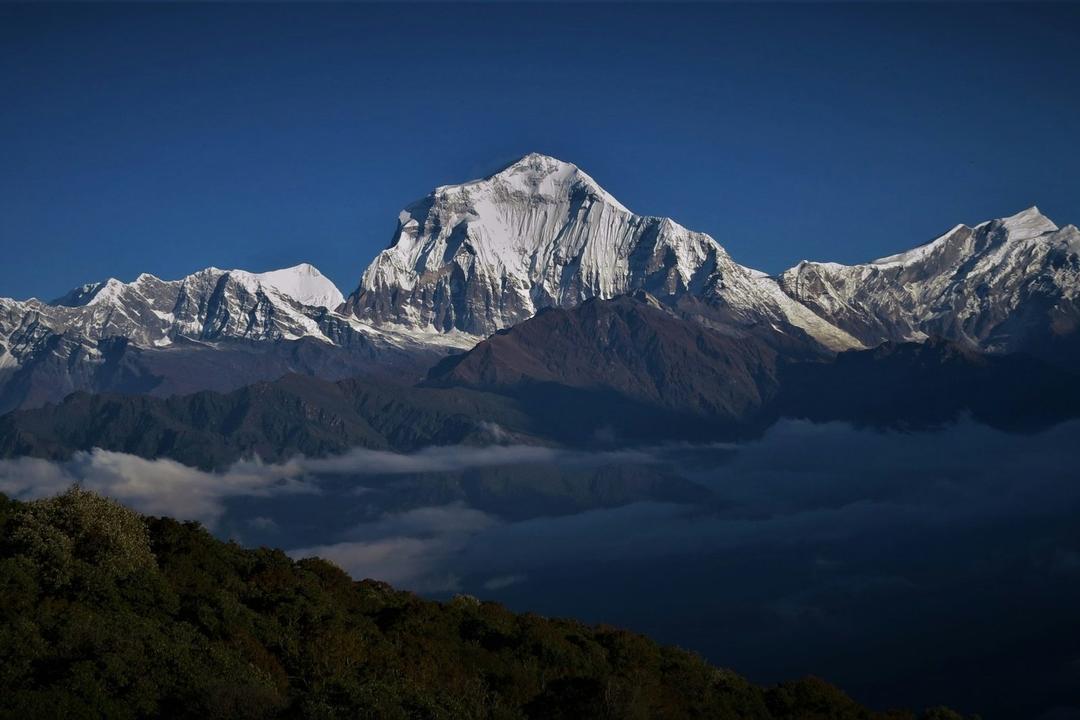
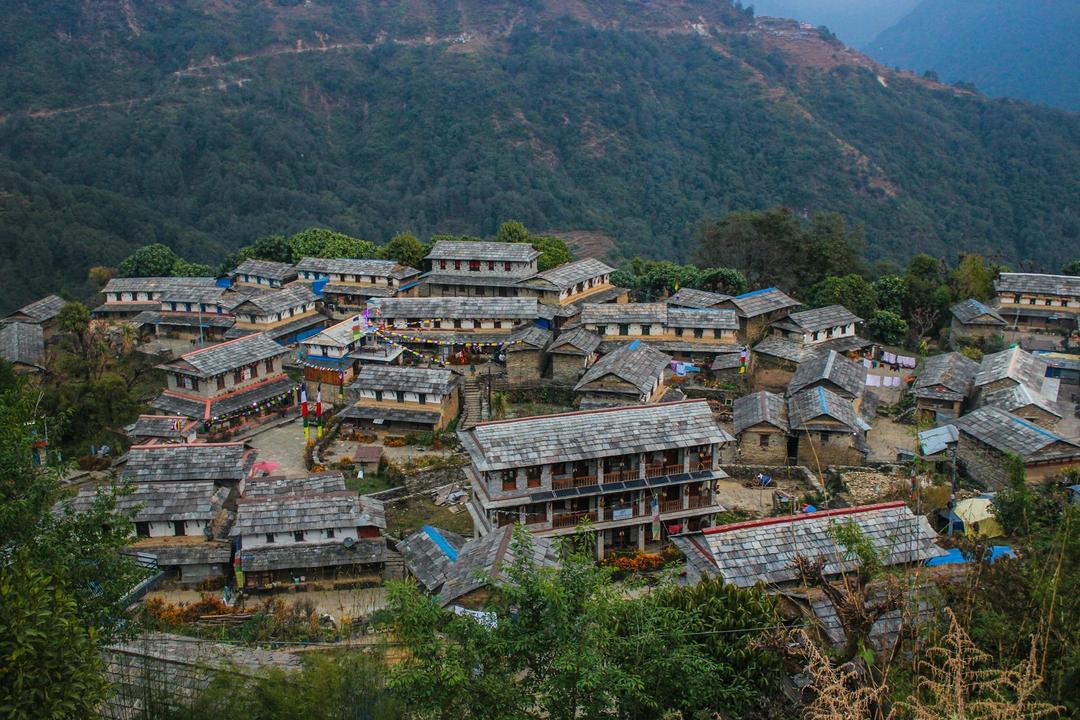
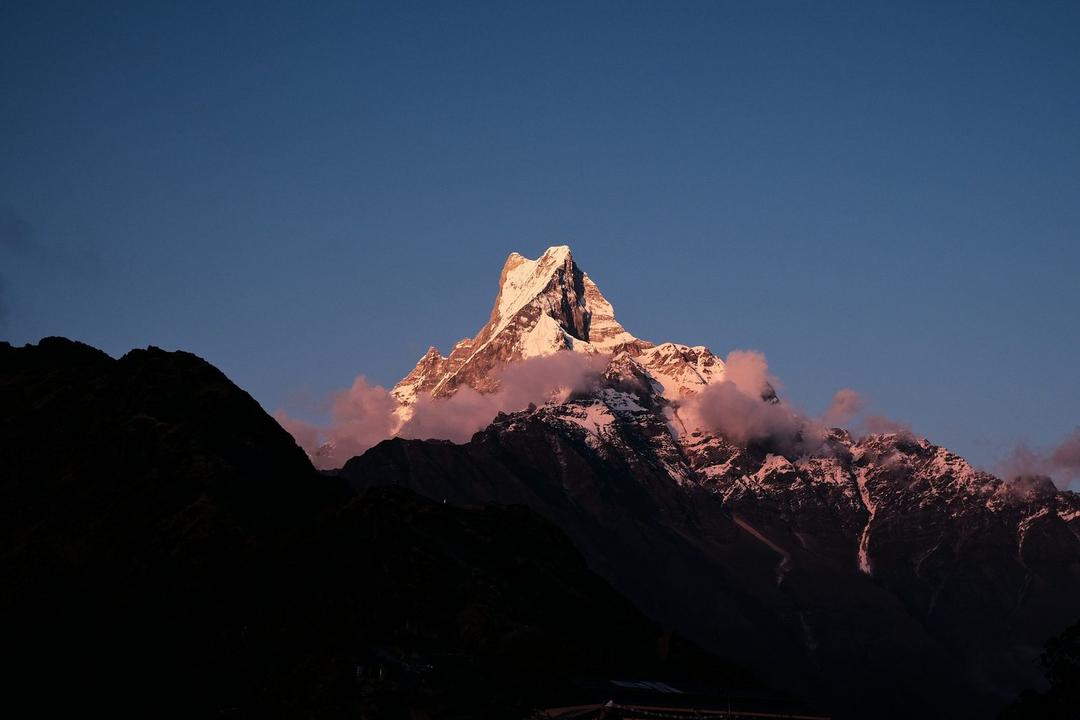
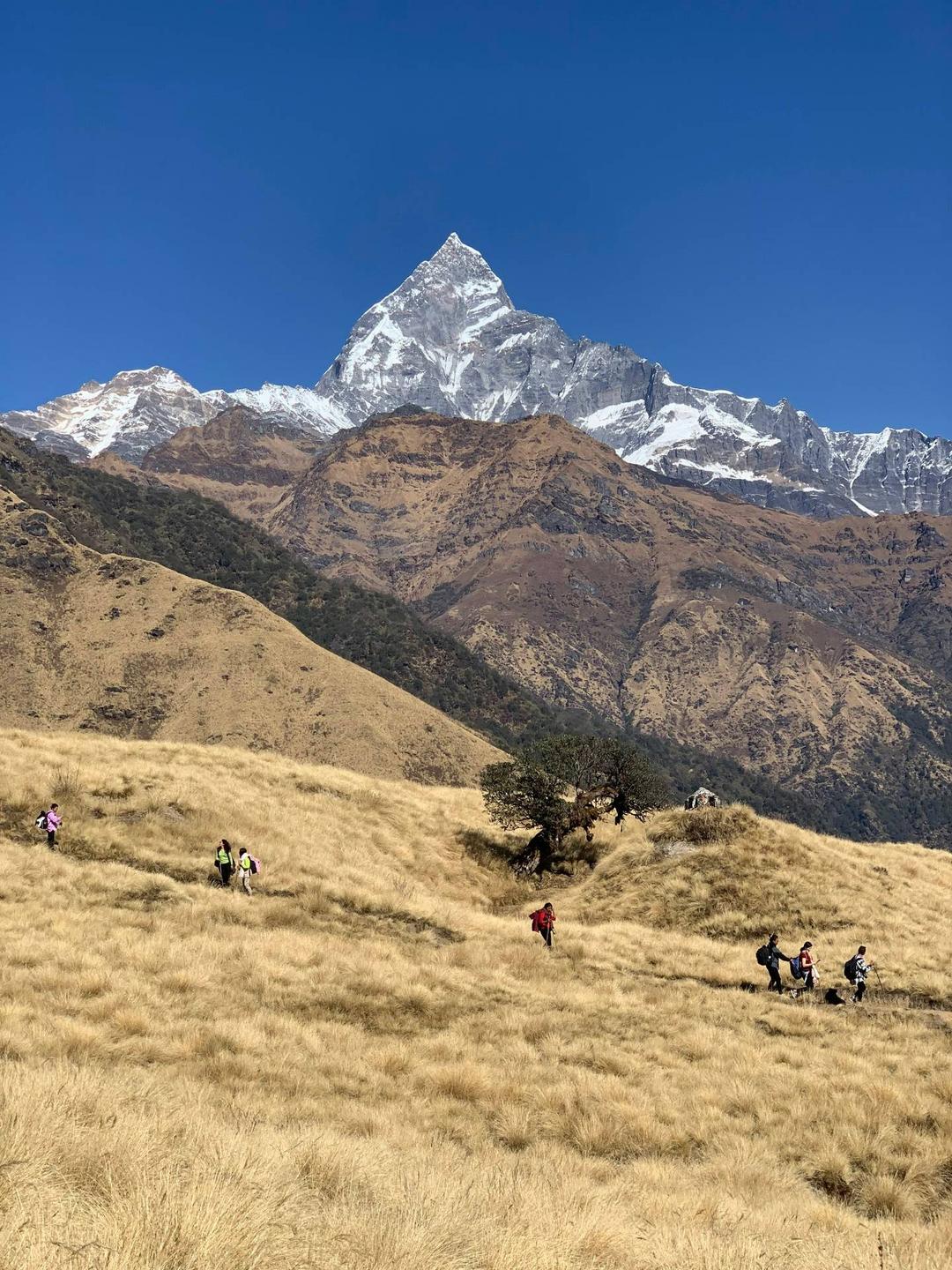
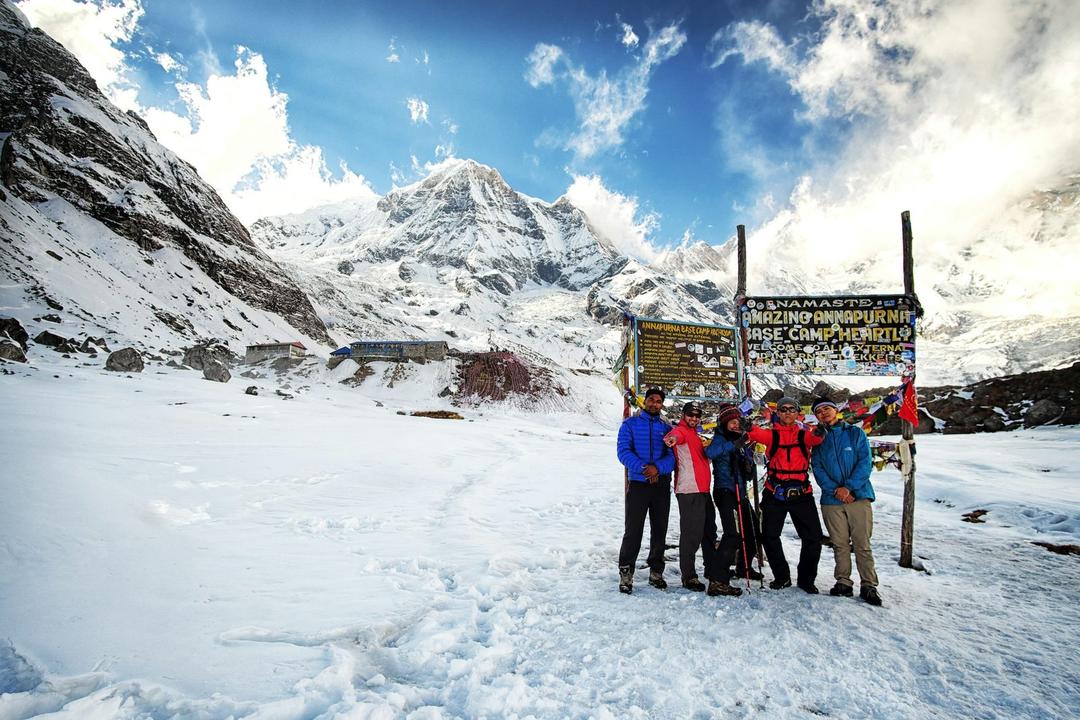
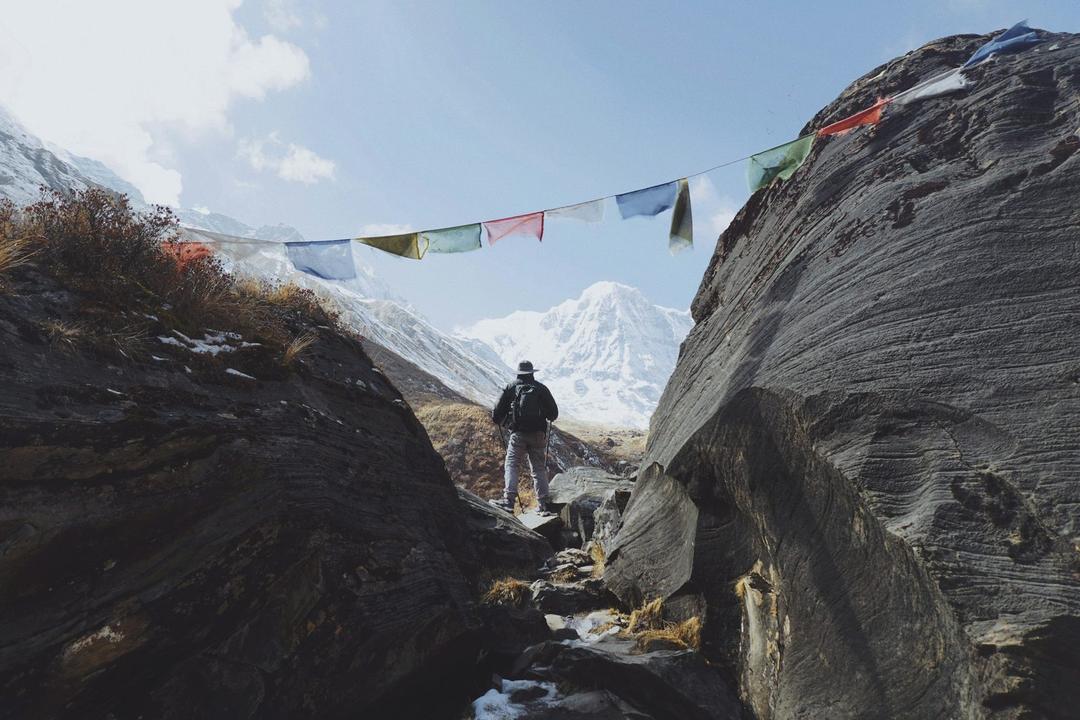
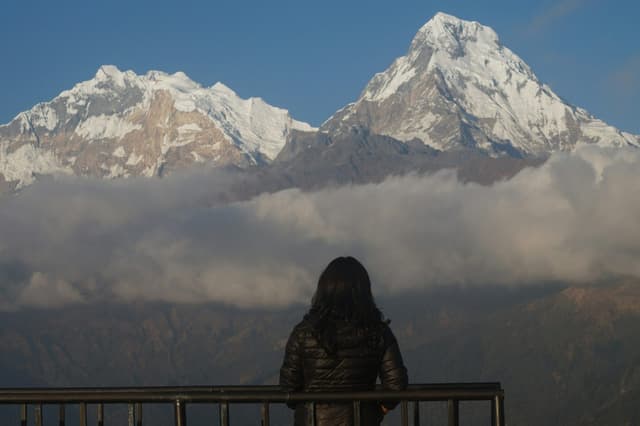
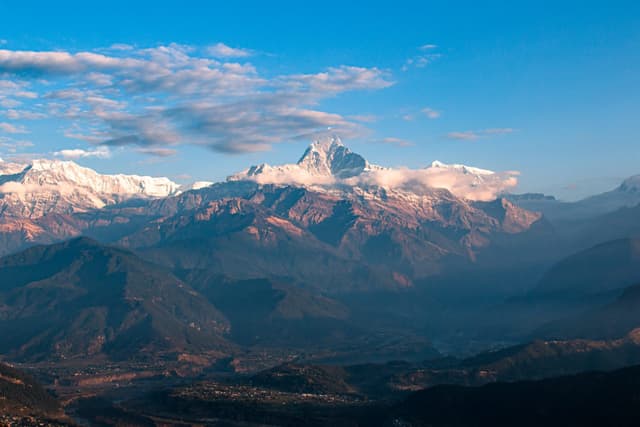
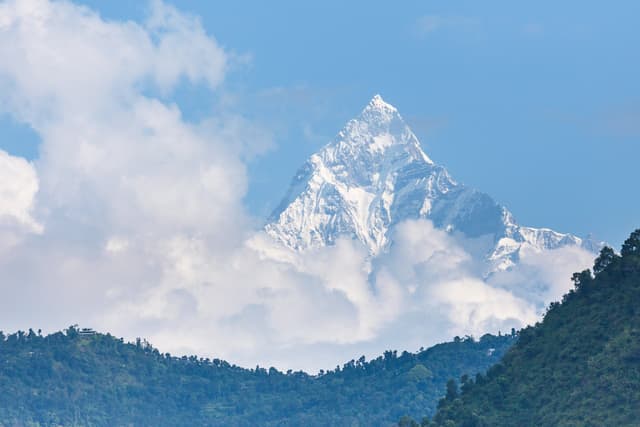
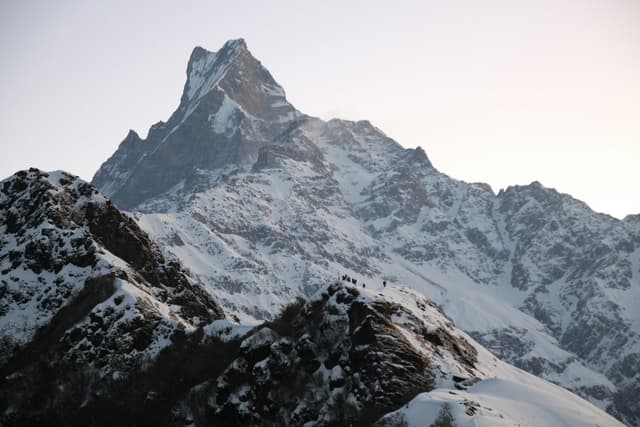
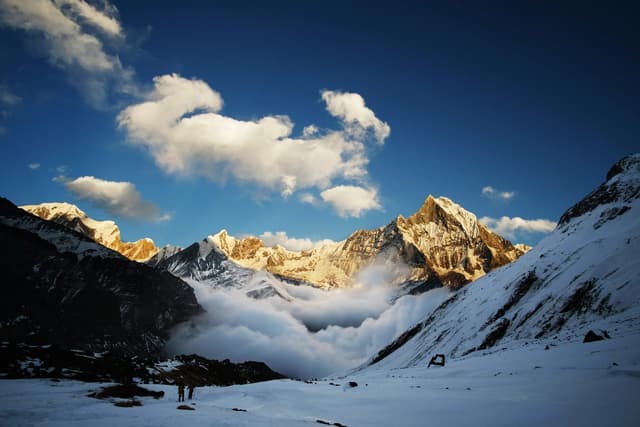
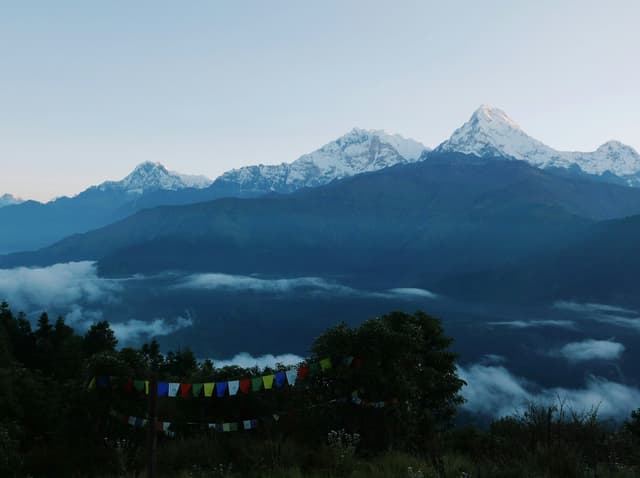
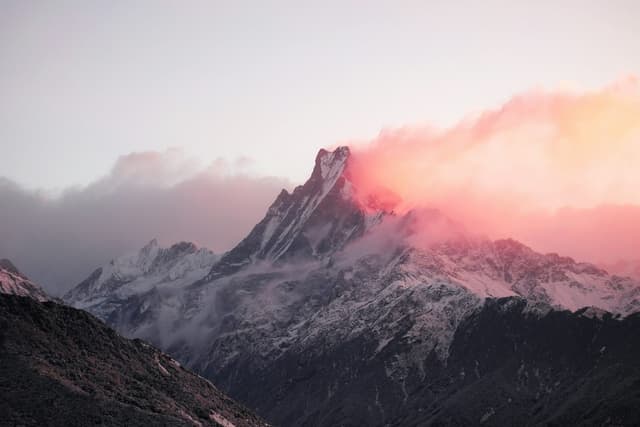
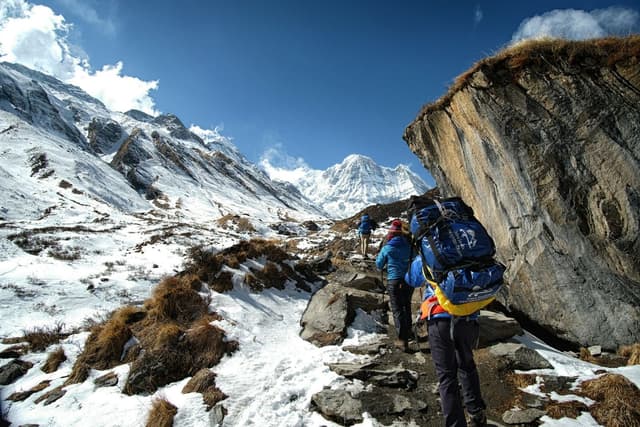
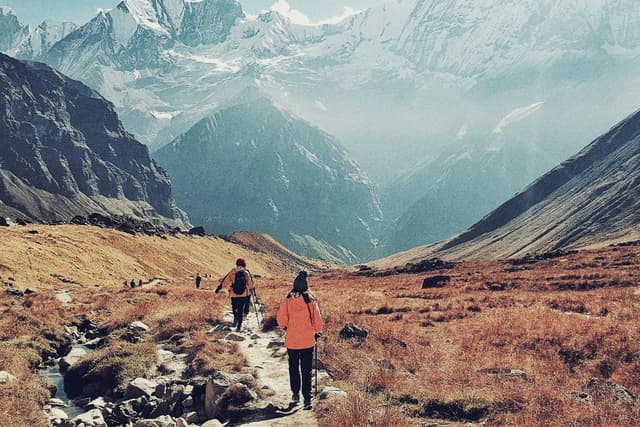
On a first trek, start low: Ghorepani and the sunrise from Poon Hill, or a quiet ridge walk near Pokhara. If you want to stand among the peaks, the trail into the Annapurna Sanctuary ends at Annapurna Base Camp, in a high basin ringed by the Annapurnas and Machhapuchhre (Fishtail). With more time and good fitness, the Annapurna Circuit crosses Thorong La, a high pass that asks for proper acclimatisation. Autumn and spring are the main seasons.
Compare the treks above by length and height, then message us on WhatsApp or send an enquiry. We will tell you honestly which one fits your days and send a quote.
Written and checked by the Uncover Nepal team, Kathmandu·Updated November 2026
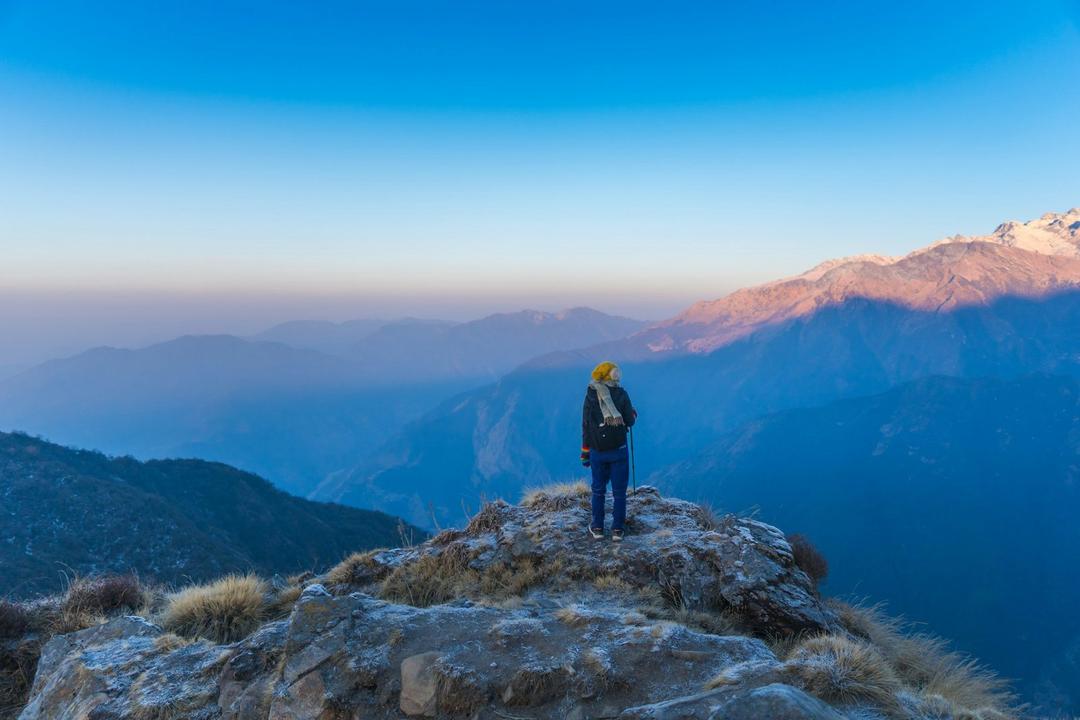
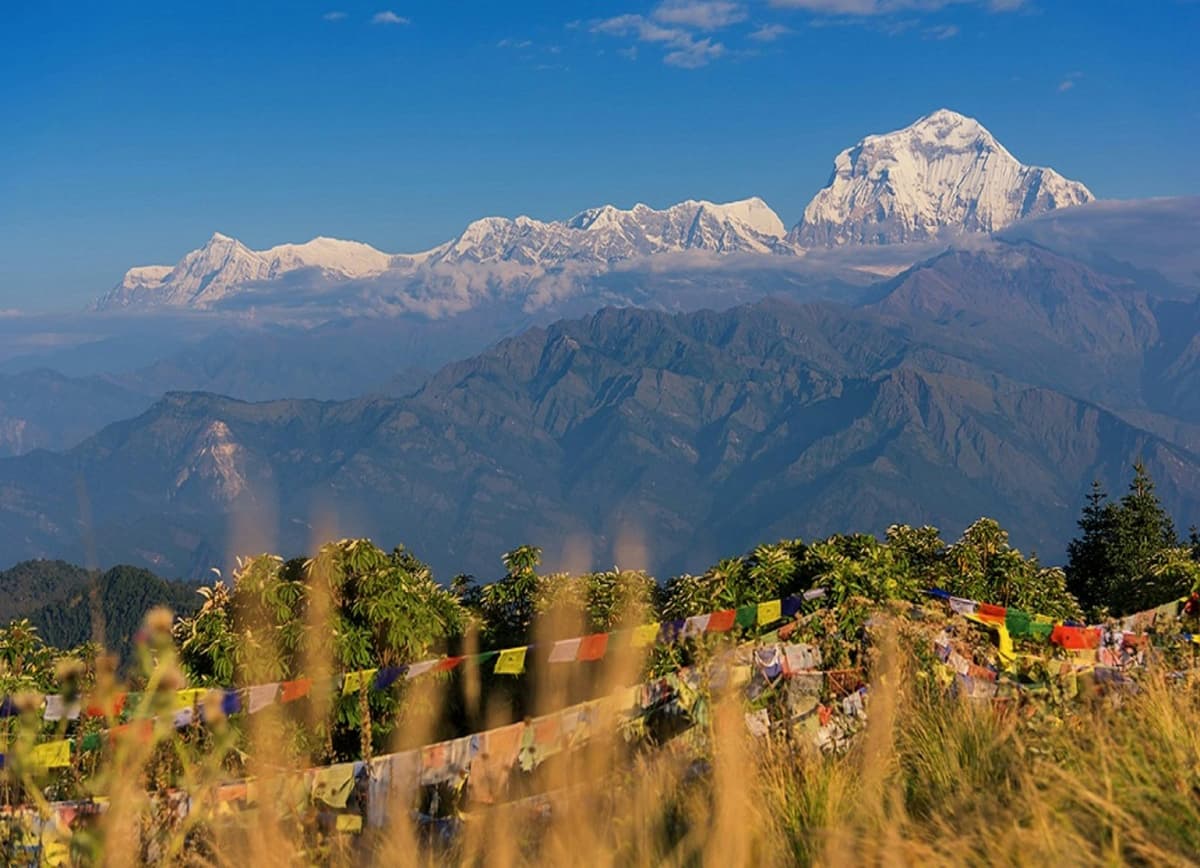
Ghorepani Poon Hill is the usual first Annapurna trek. It is short, much of the trail is stone steps, teahouses are close together, and the reward is sunrise from Poon Hill at 3,210 m (10,530 ft). Mardi Himal is the next step up: steeper and quieter, with its top sleeping point at High Camp, about 3,580 m. Neither crosses a high pass. A licensed guide walks with you on every trek we run.
It depends on the route and where you start. Short ridge treks near Pokhara take a few days, Annapurna Base Camp takes longer, and the Annapurna Circuit is the longest. Above 3,000 m, sleeping height should rise by no more than 500 m a day, with a rest day every 3 to 4 days, so high routes cannot be rushed. For example, our Poon Hill treks run from 2 days from Pokhara to 6 days from Kathmandu.
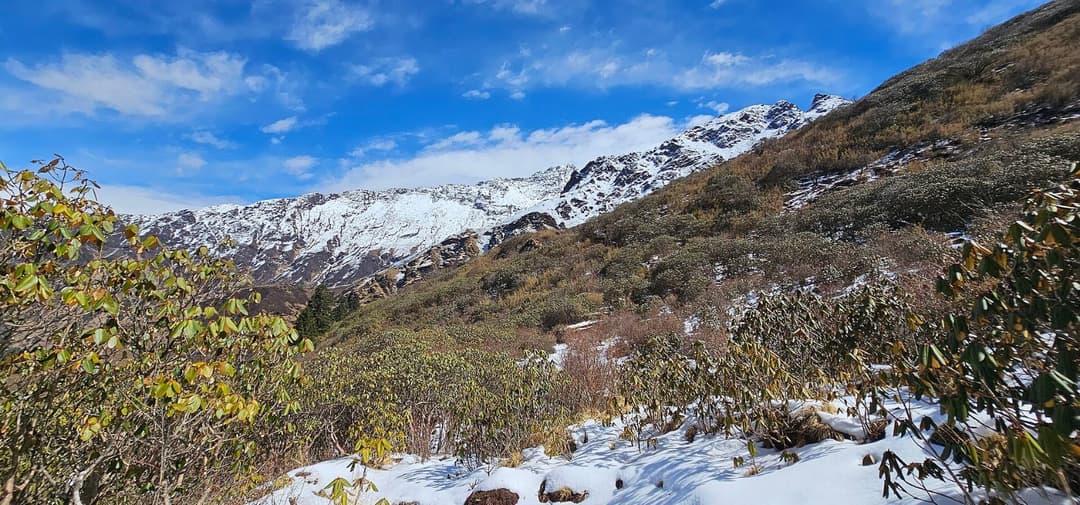
The main Annapurna trek seasons are autumn (October to November) and spring (March to May), and autumn brings the clearest skies. Winter (December to February) is colder and quieter, and snow decides the Circuit's high pass: your guide, who knows the route, decides when and how to cross, based on snow and the forecast. The June to September monsoon brings about 80% of the year's rain, with cloud and wet, slippery trails.
You need the Annapurna Conservation Area Project (ACAP) entry permit. As of October 2026, the National Trust for Nature Conservation charges NPR 3,000 for foreigners and NPR 1,000 for SAARC nationals, and double at a checkpost. We arrange your ACAP permit.
Not on our trips. A licensed guide walks with you on every trek we run. The Nepal Tourism Board's revised trekking rule, effective from 31 March 2023, requires a licensed guide on listed Annapurna routes, among them the Annapurna Circuit, Poon Hill to Annapurna Base Camp, Khopra and Mardi Himal. Rules can change, so check the Nepal Tourism Board website before you travel.
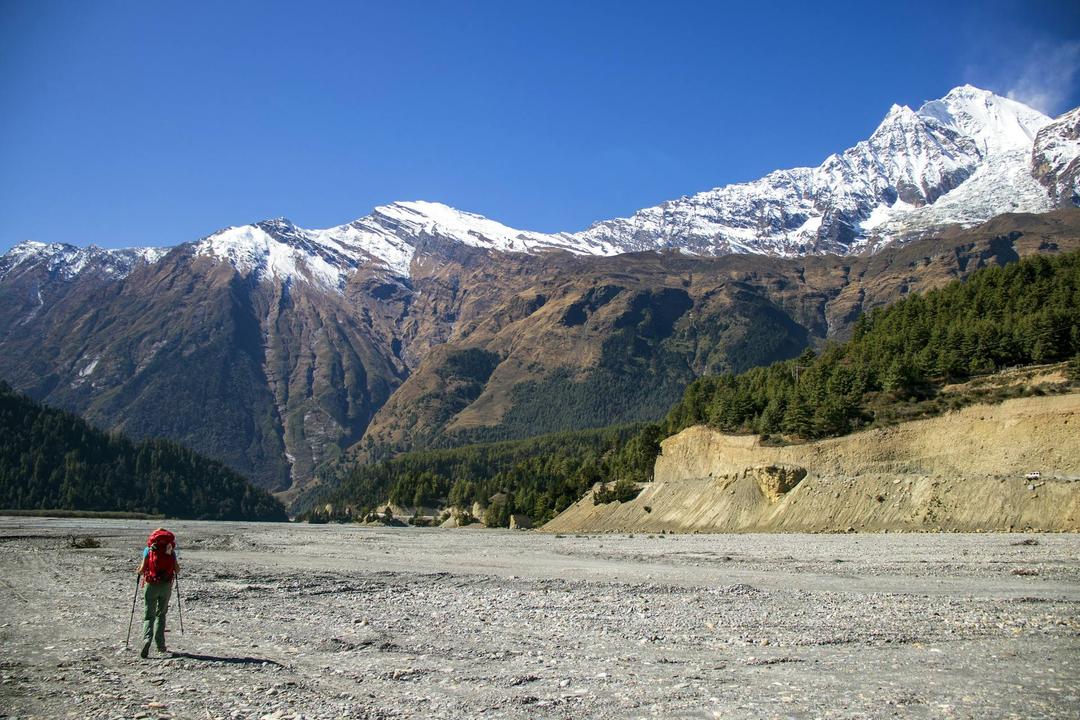
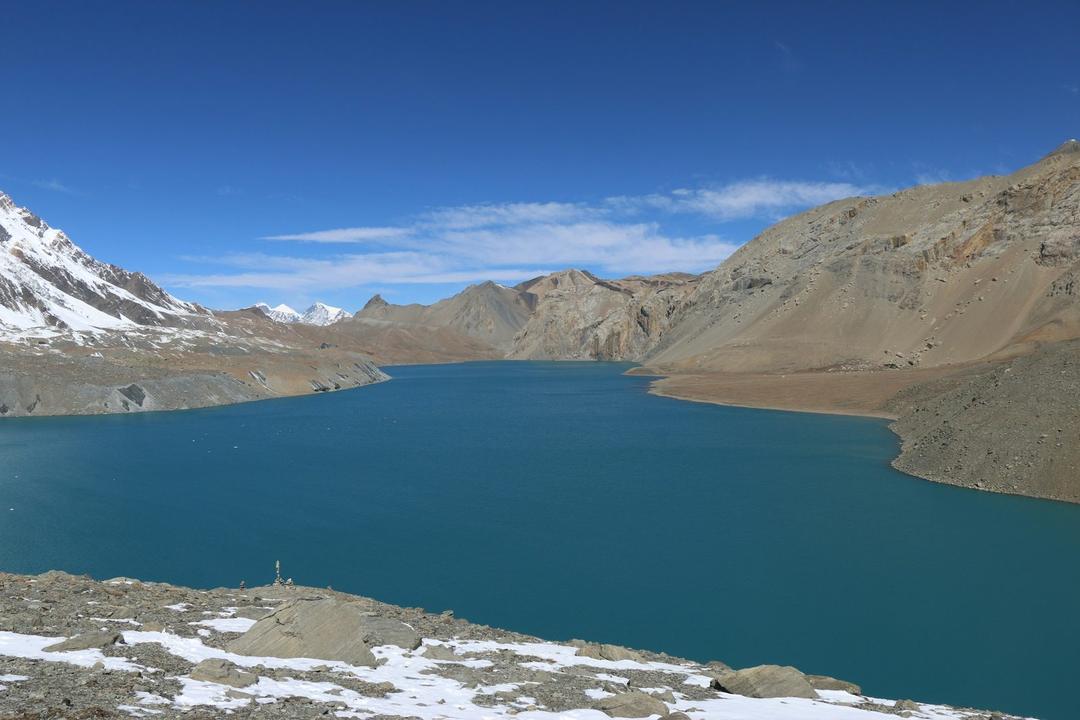
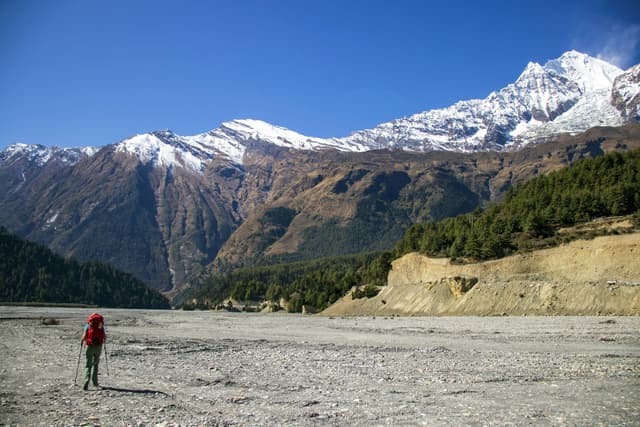
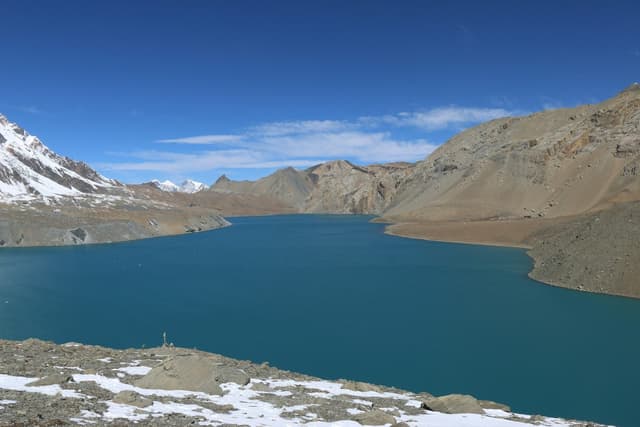
Choose Annapurna Base Camp for a shorter trek into a ring of peaks with no high pass. It tops out at 4,130 m (13,550 ft), in the Annapurna Sanctuary, about 40 km north of Pokhara as the crow flies. Choose the Annapurna Circuit if you have more time and want to cross Thorong La at 5,416 m (17,769 ft) and see the much drier Mustang side. The Circuit needs more days and more acclimatisation.
 by gomayu
 Instant booking