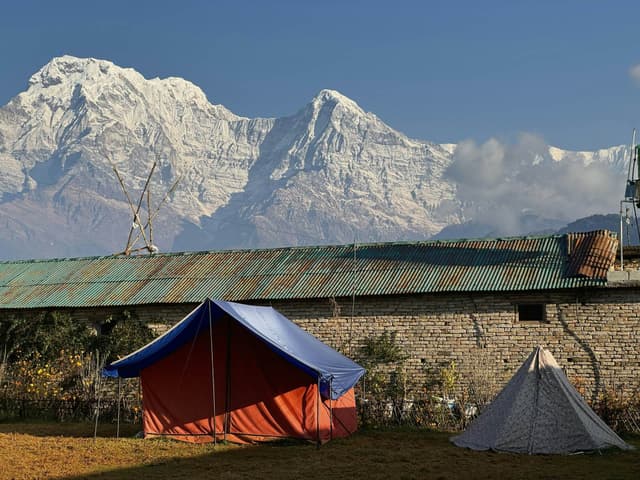
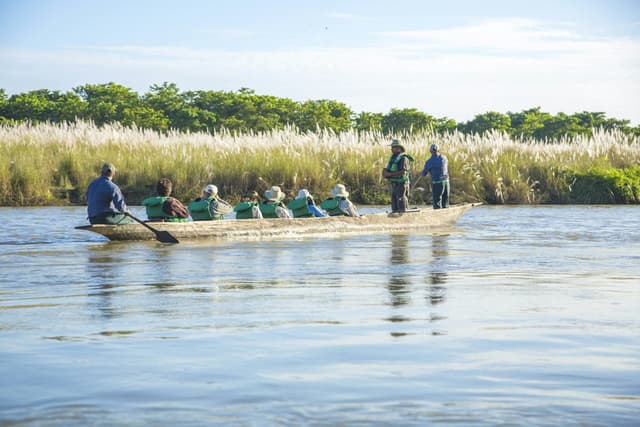
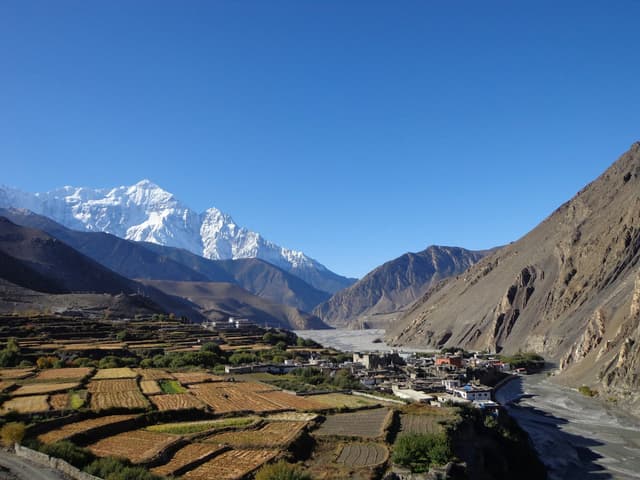
These Pokhara tour packages are trips our own team in Kathmandu plans and runs, by flight or by road, in and around the lakeside city below the Annapurnas.
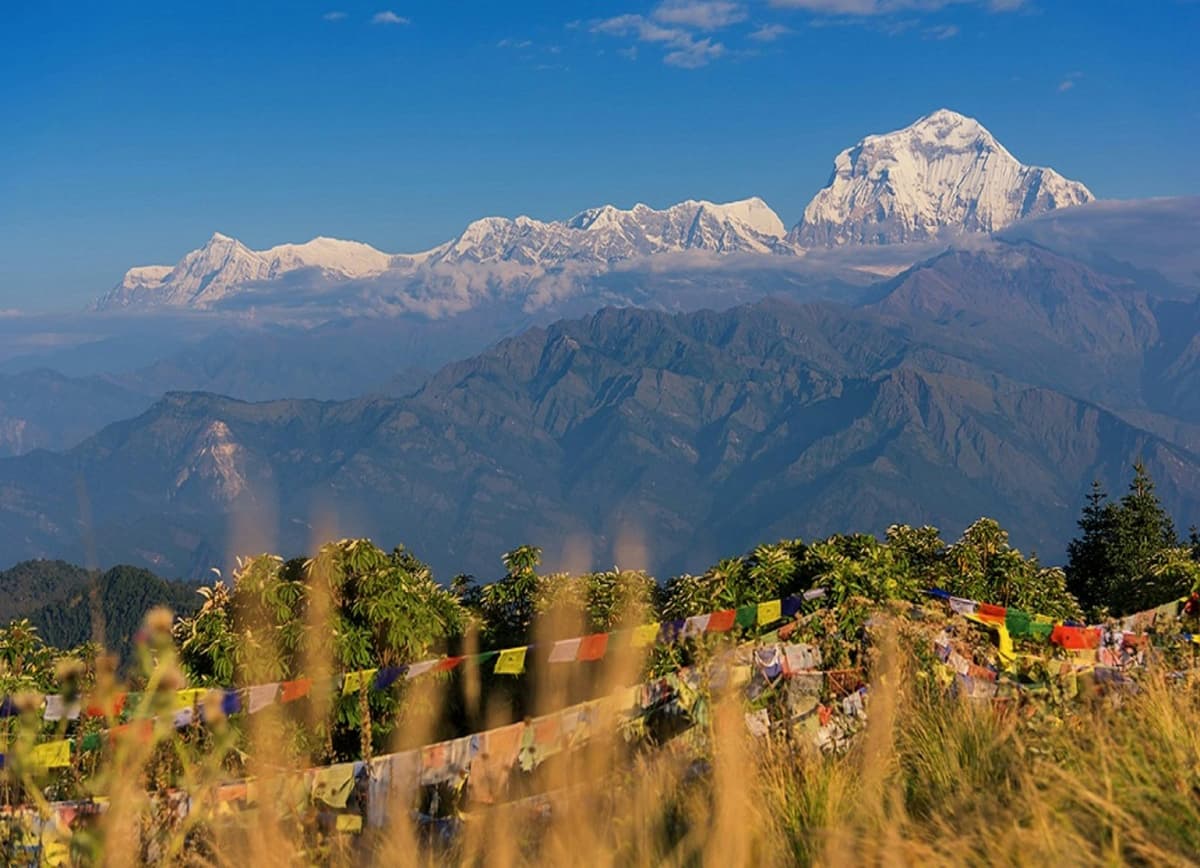
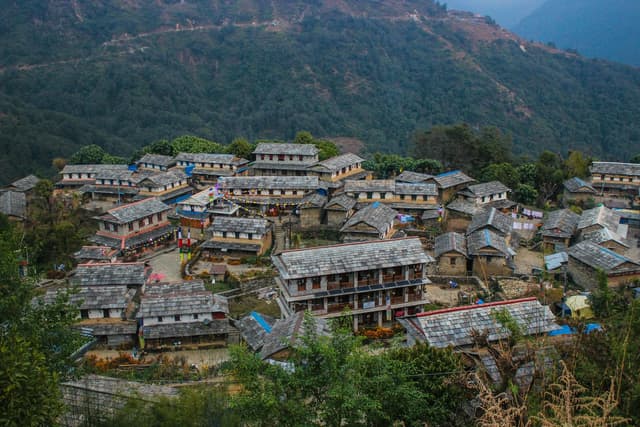
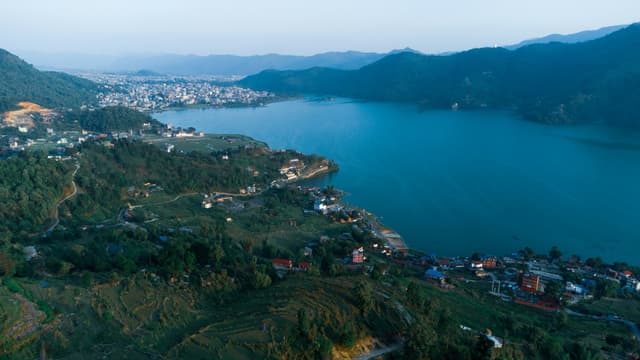
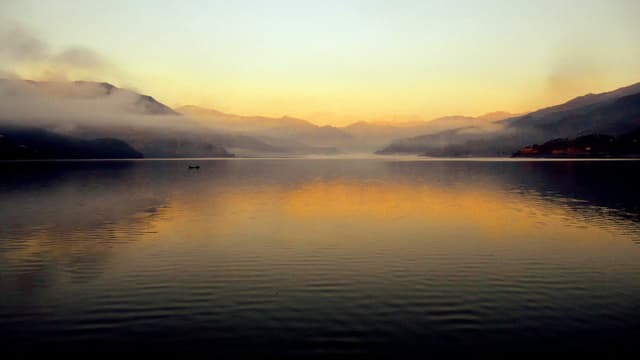
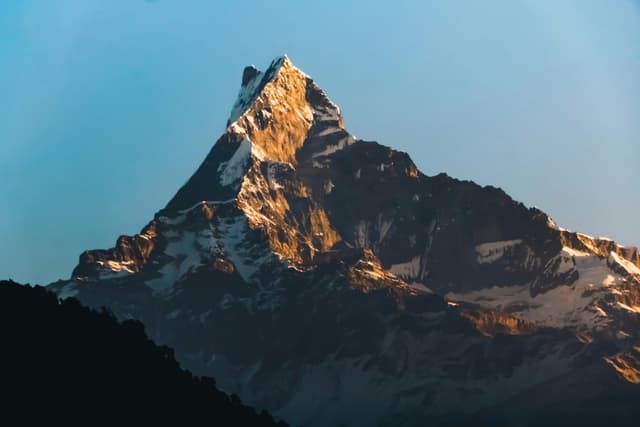
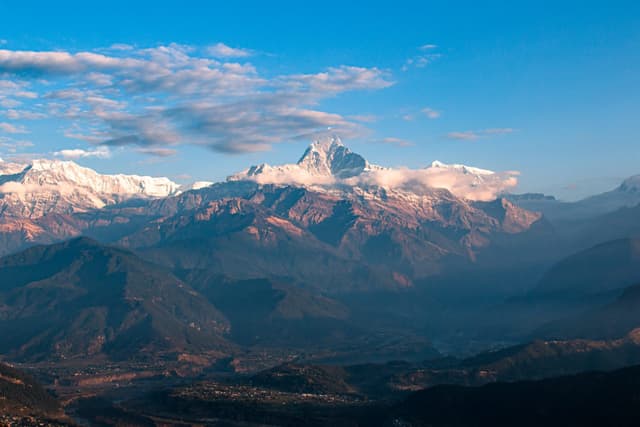
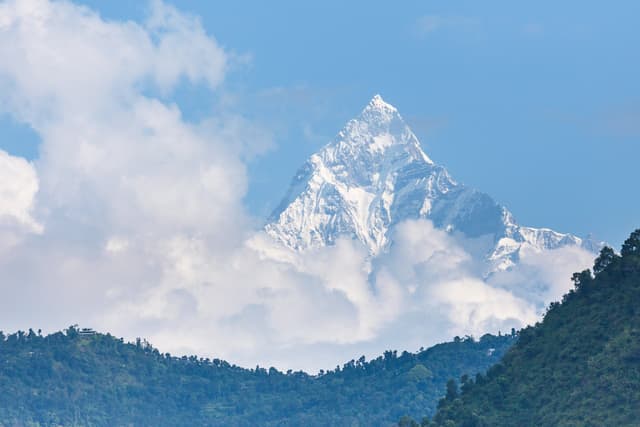
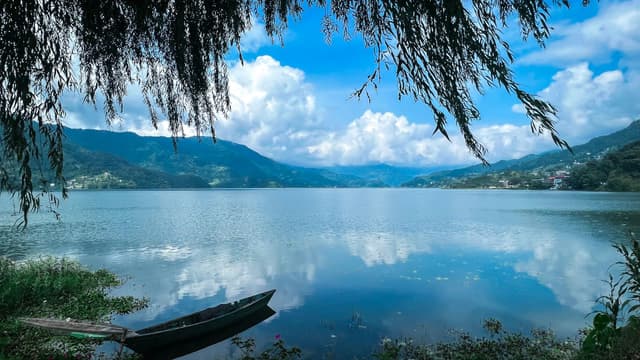
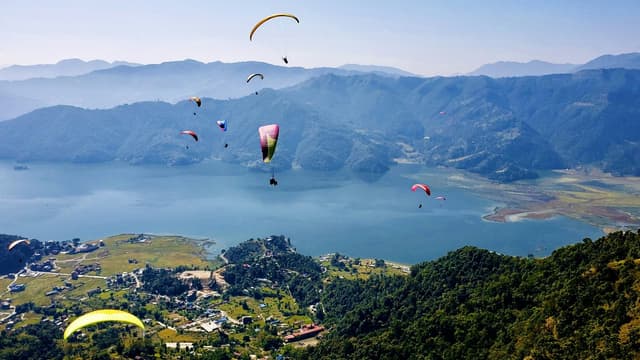
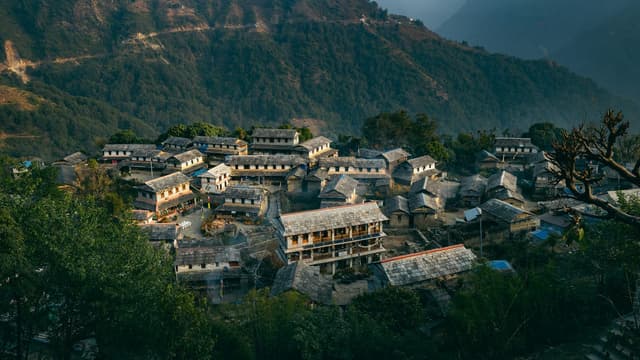
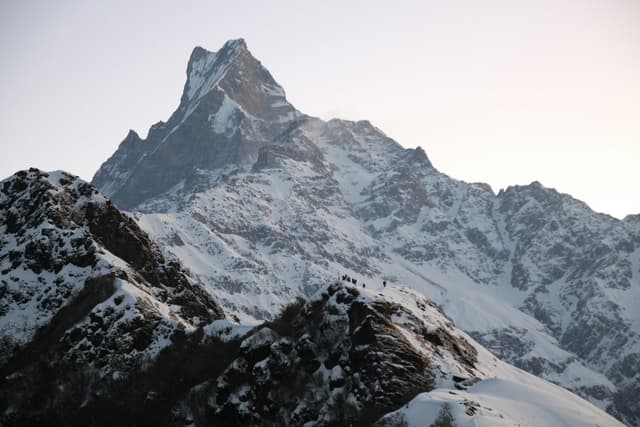
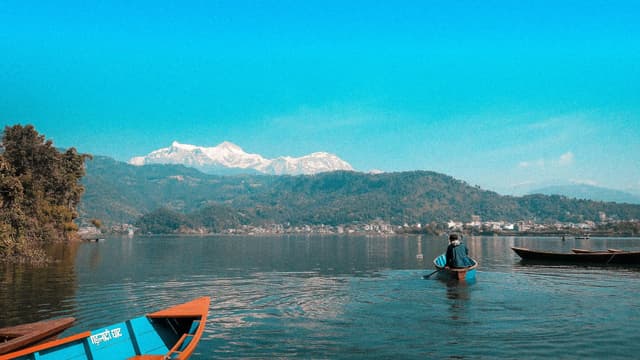
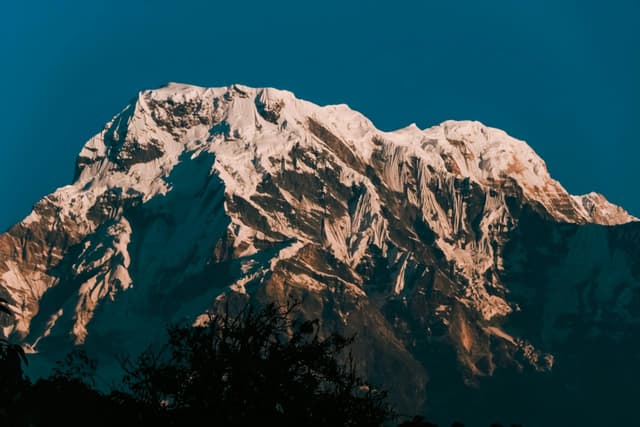
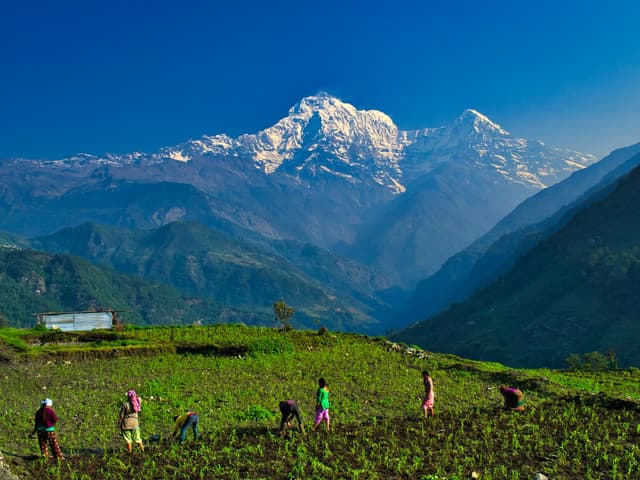
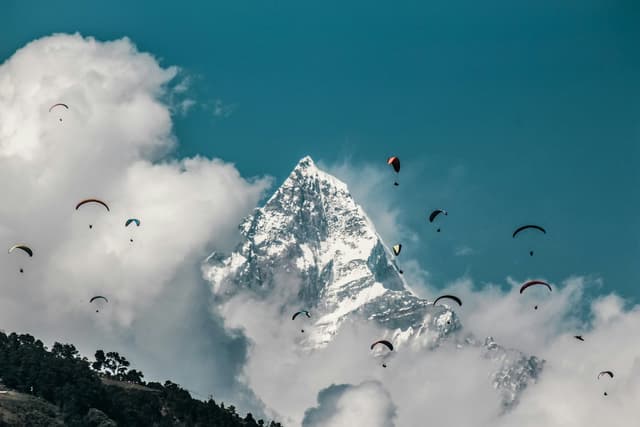
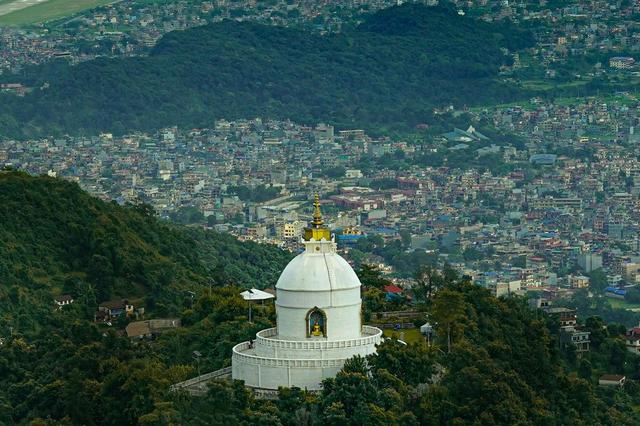
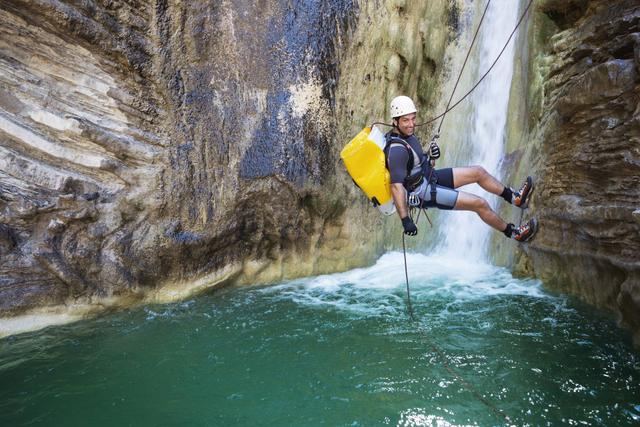
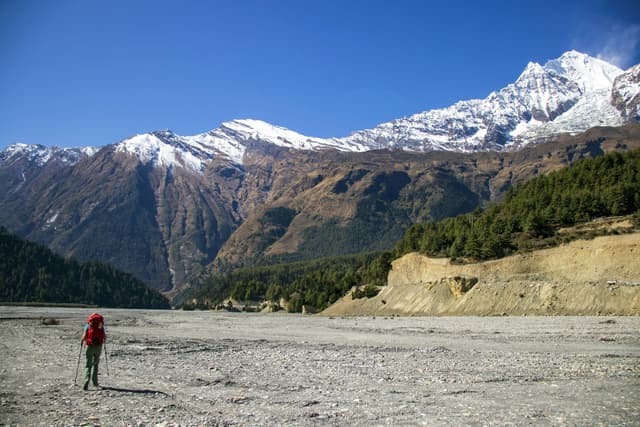
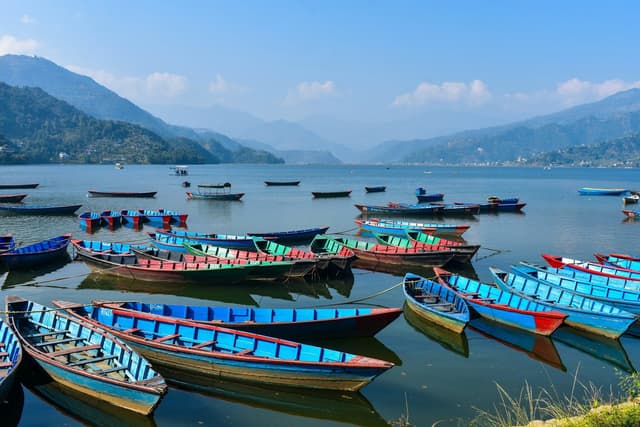
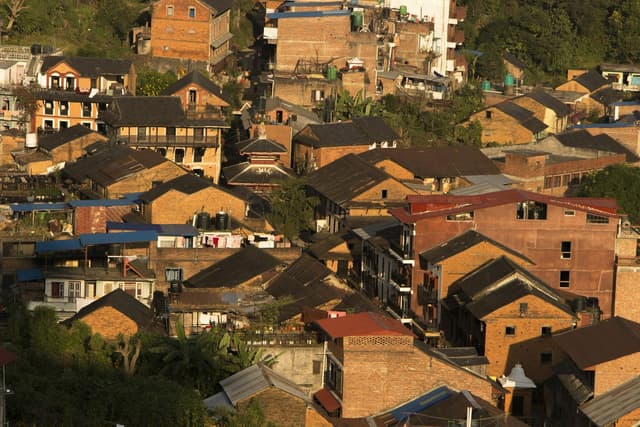
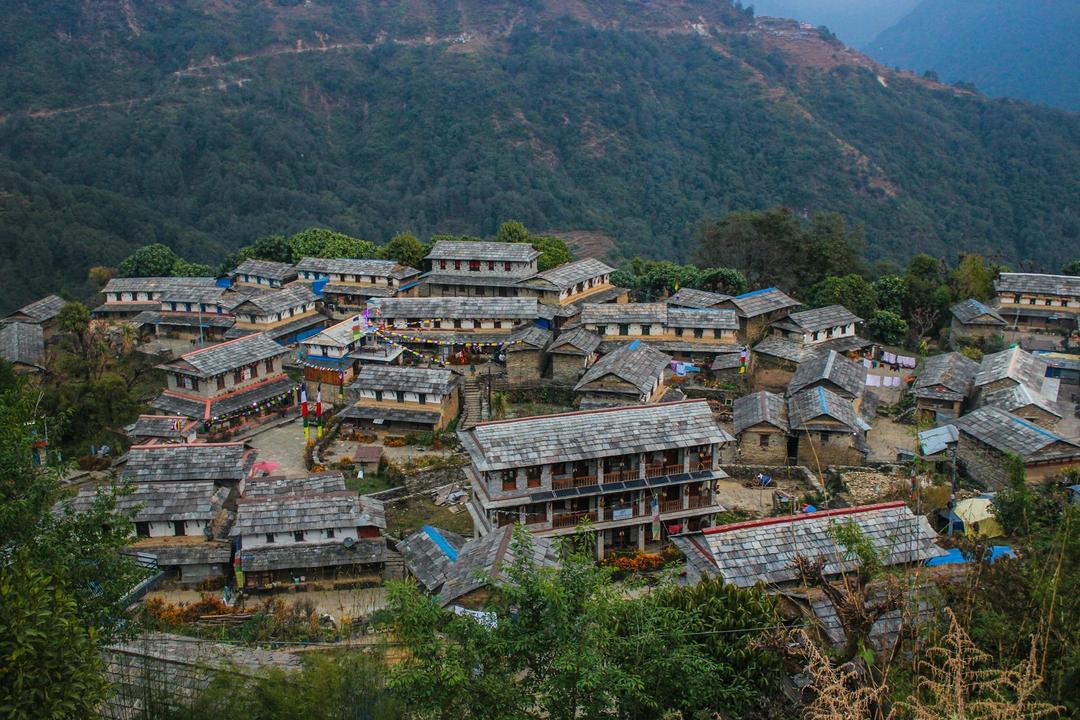
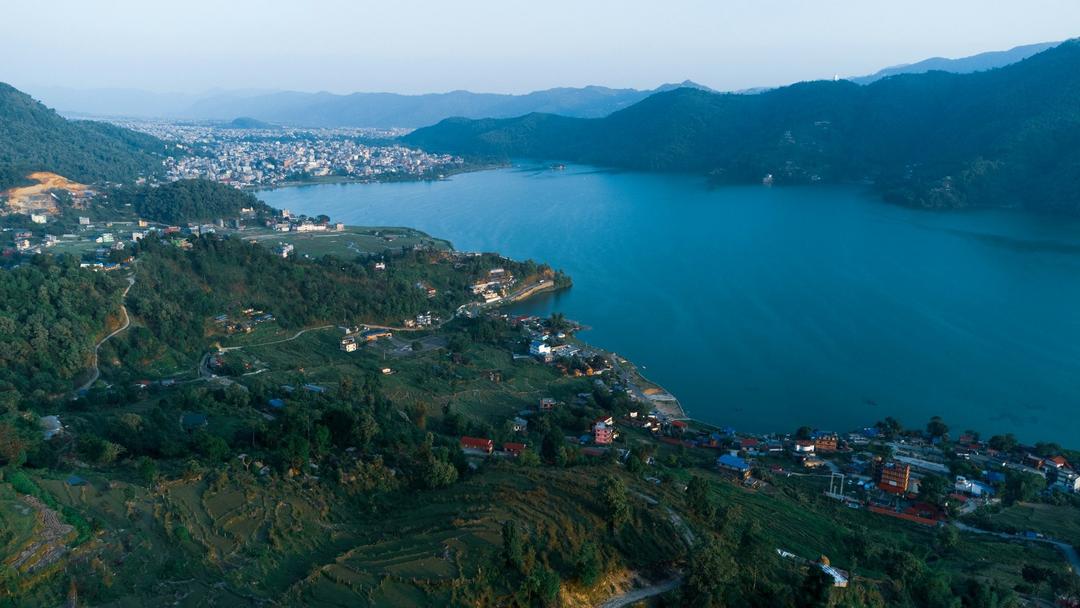
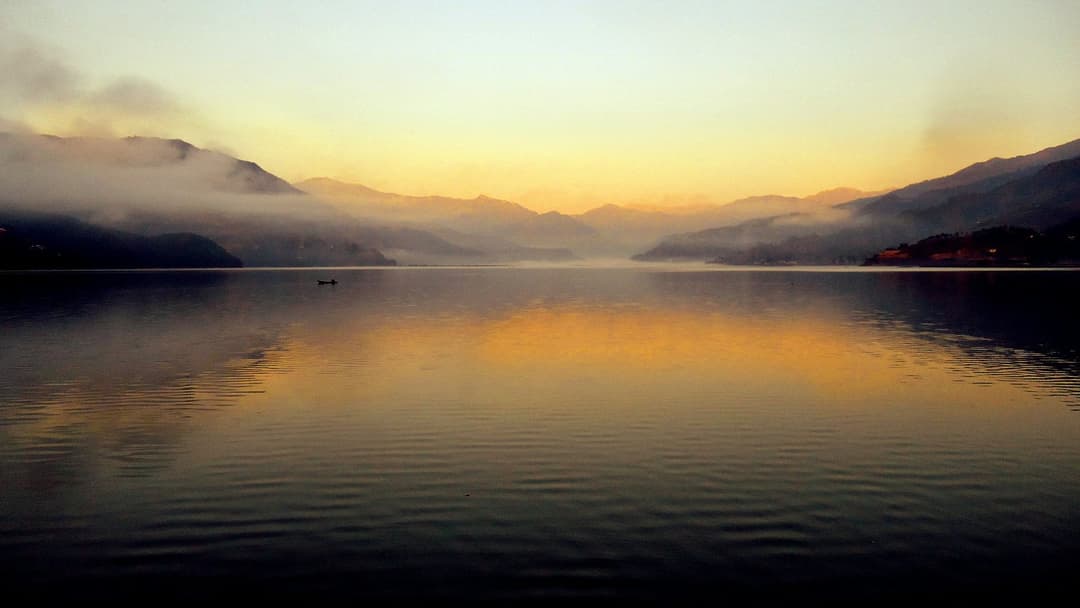
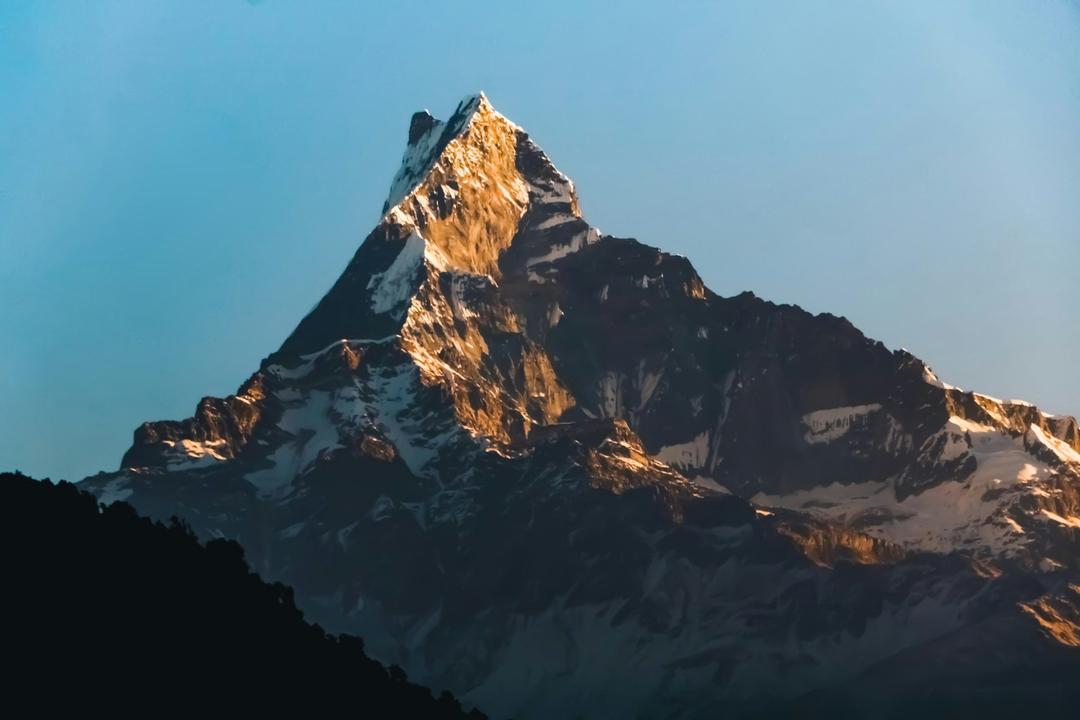
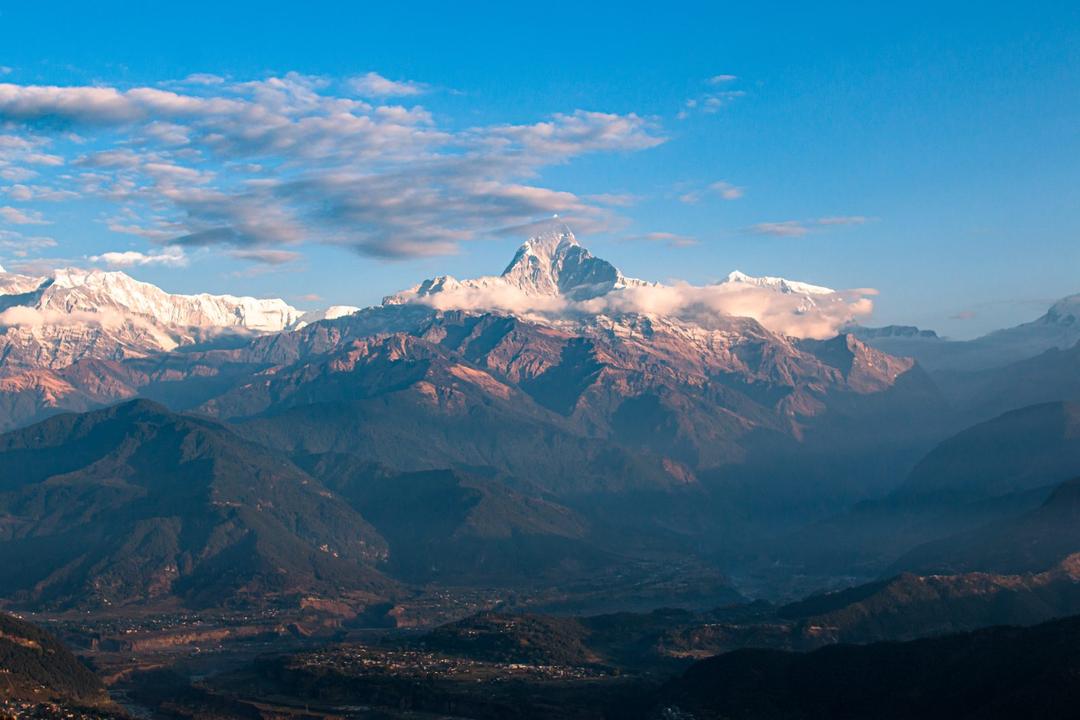
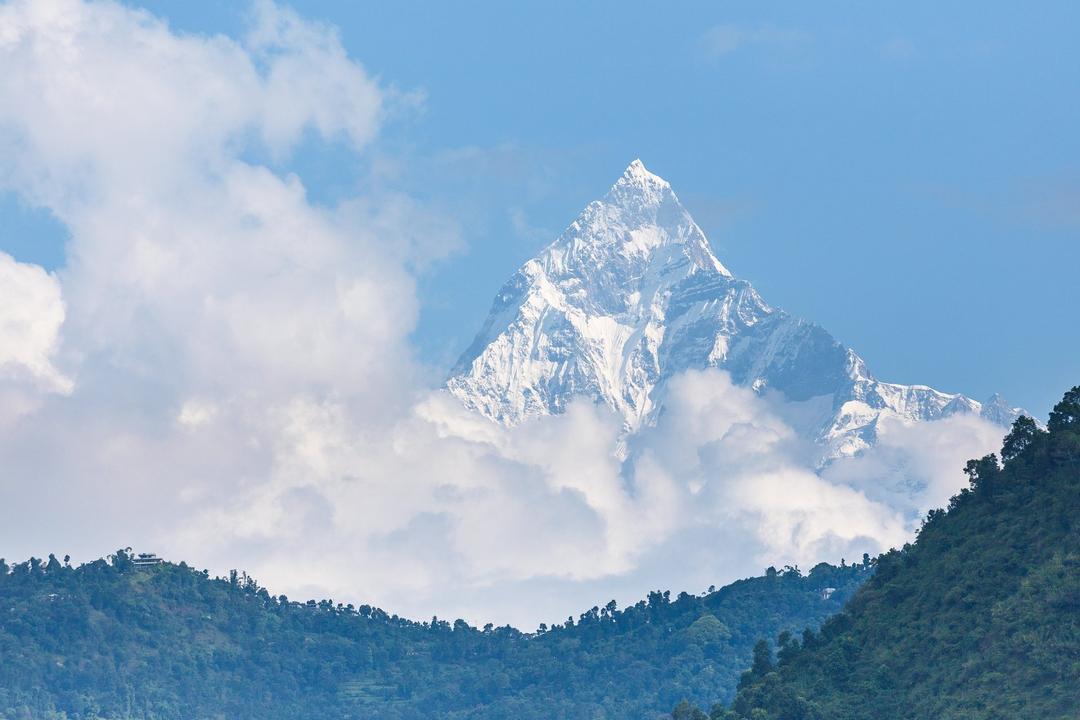
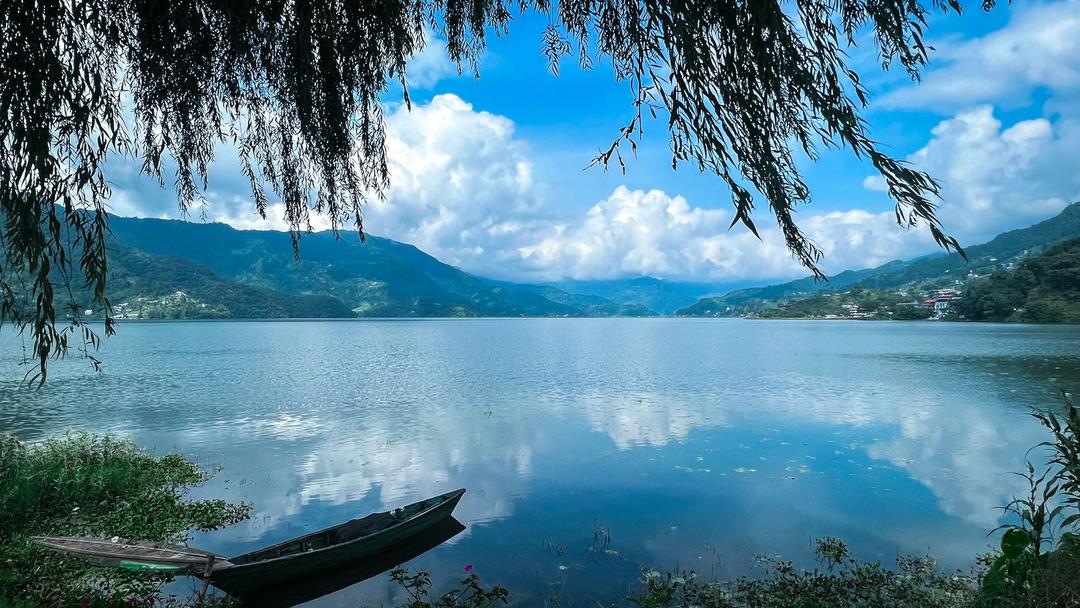
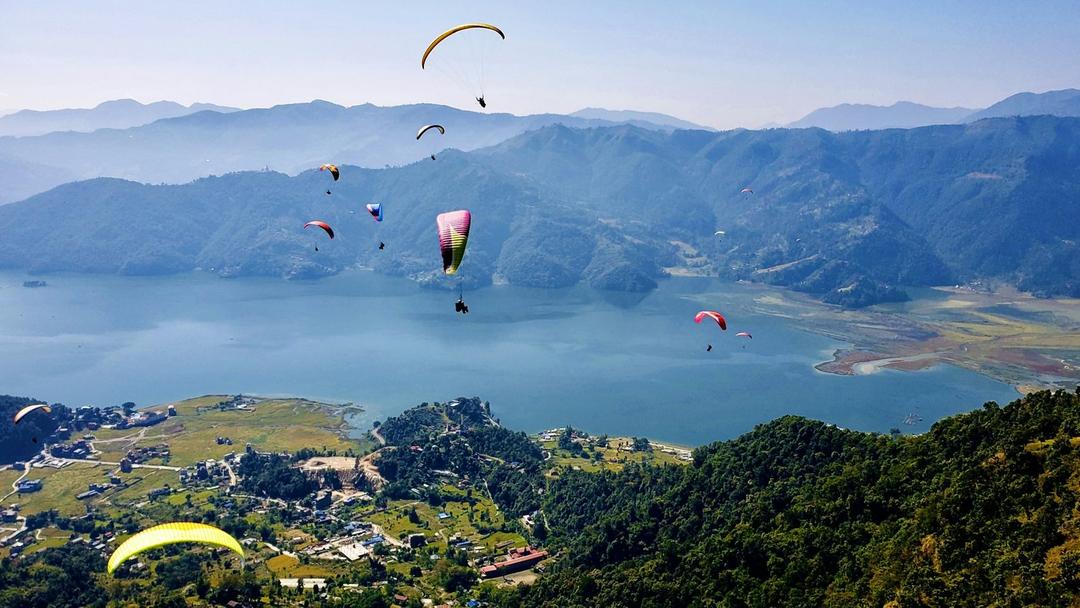
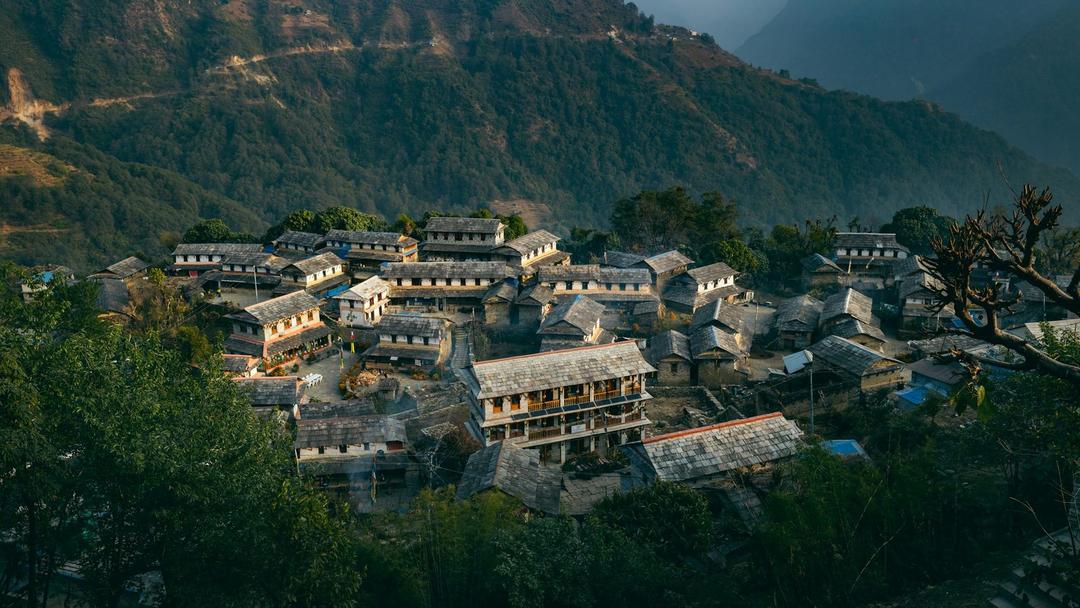
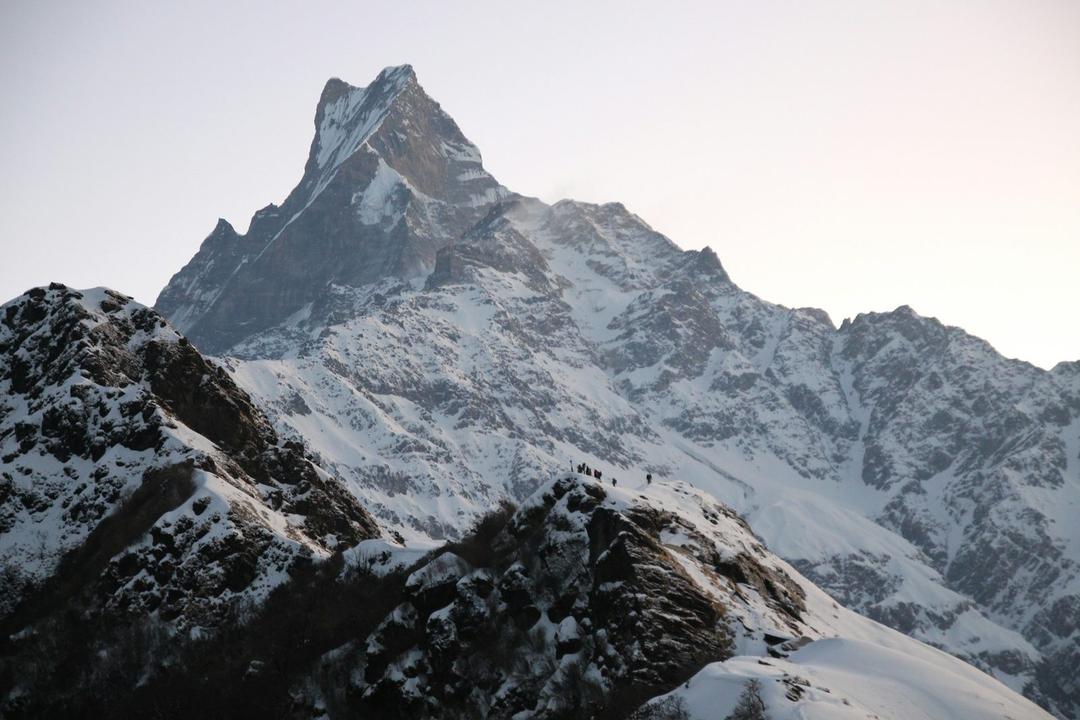
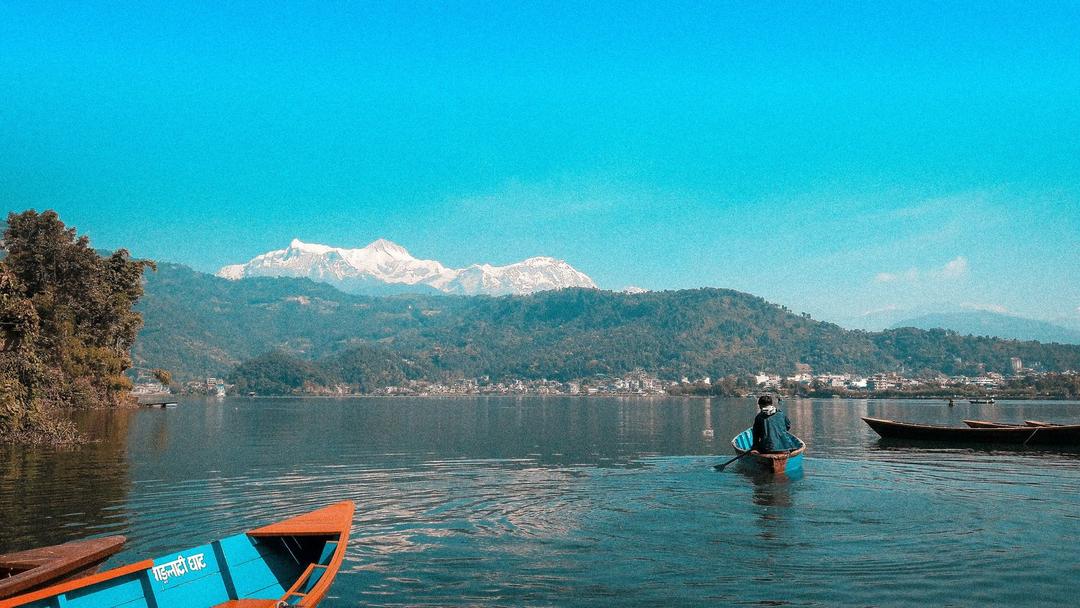
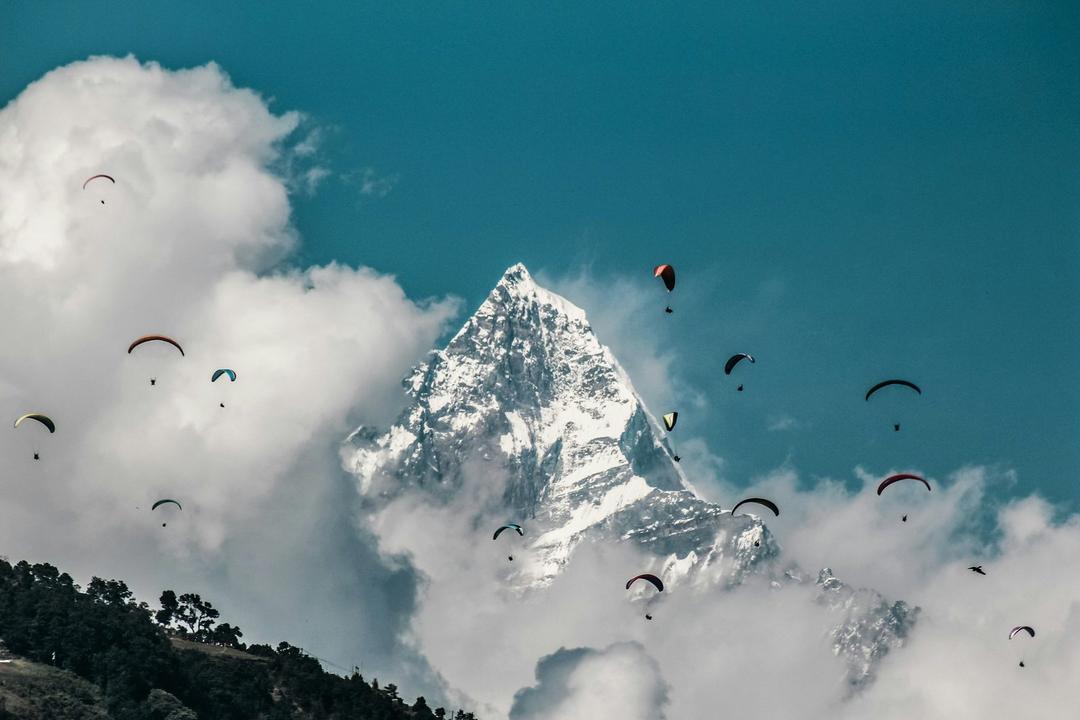
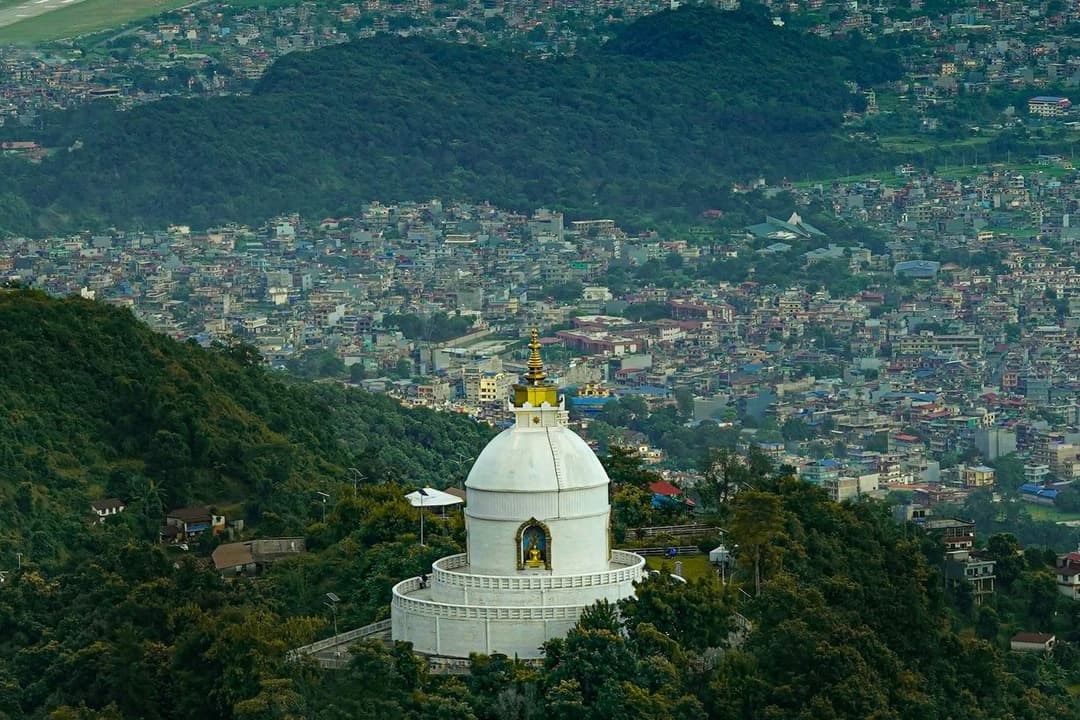
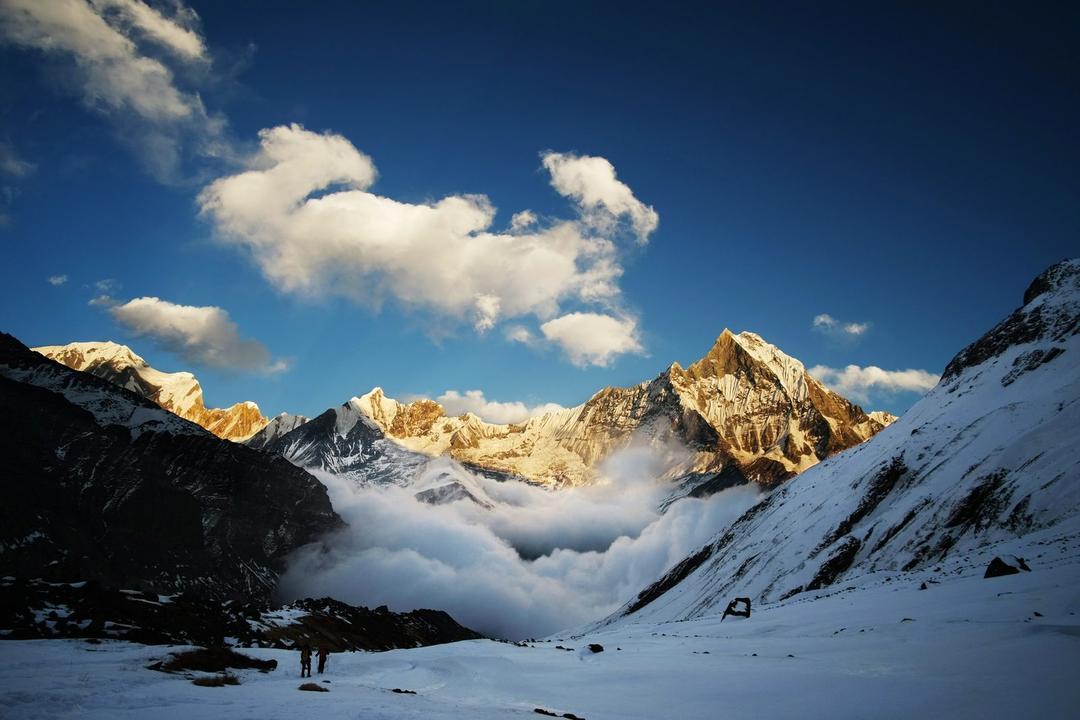
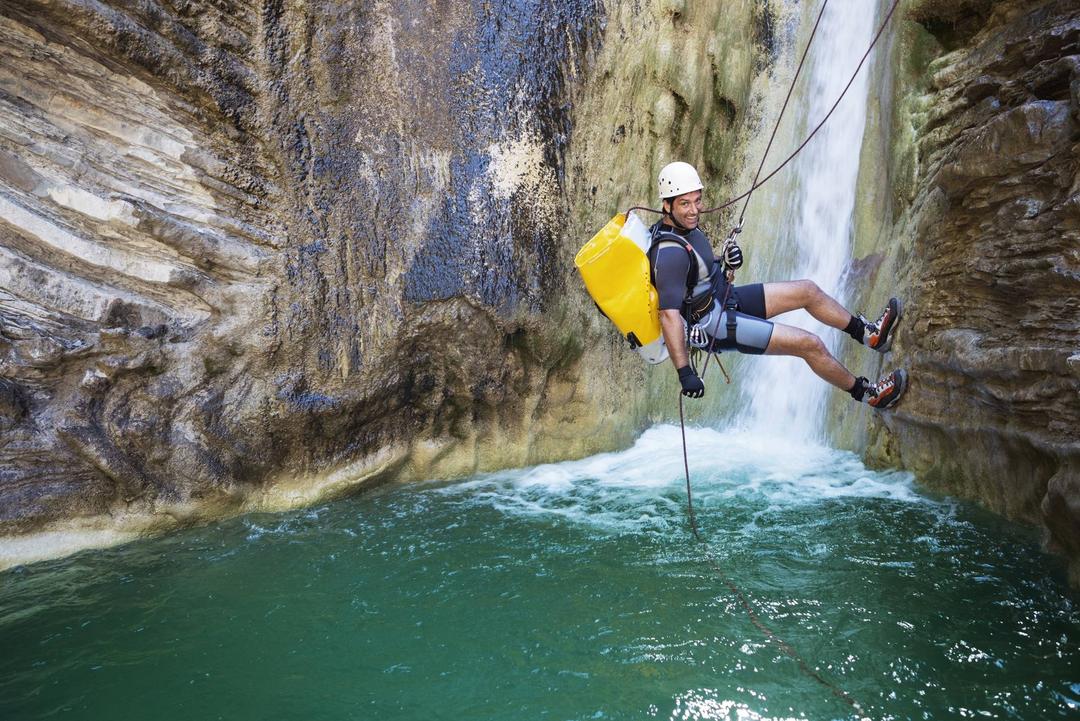
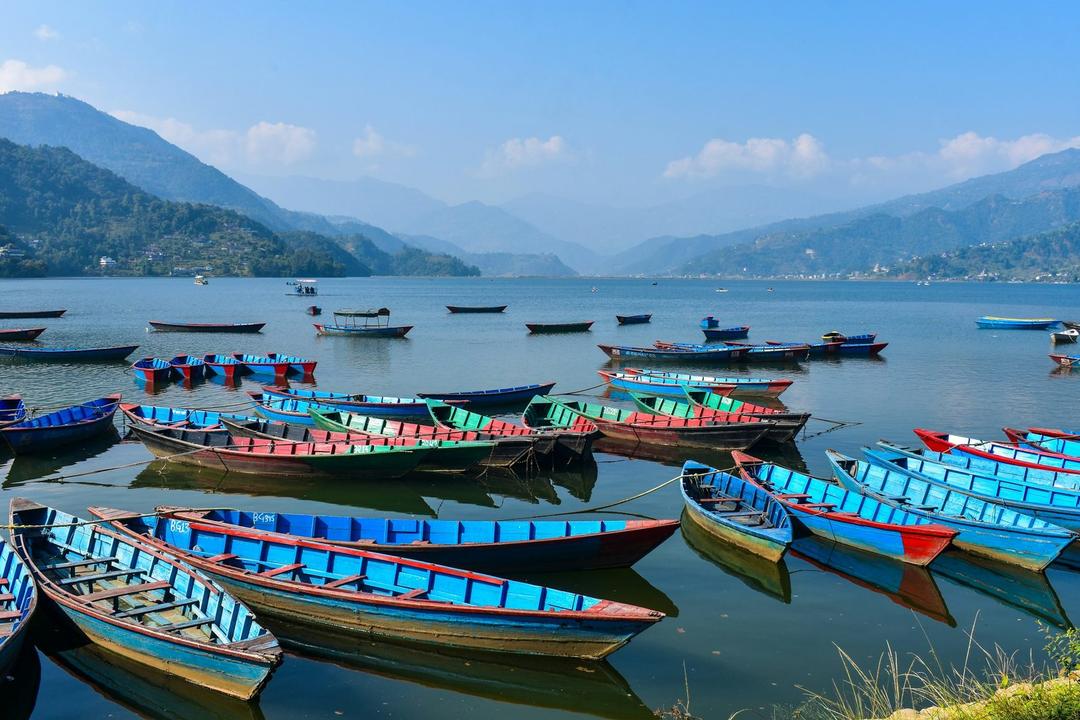
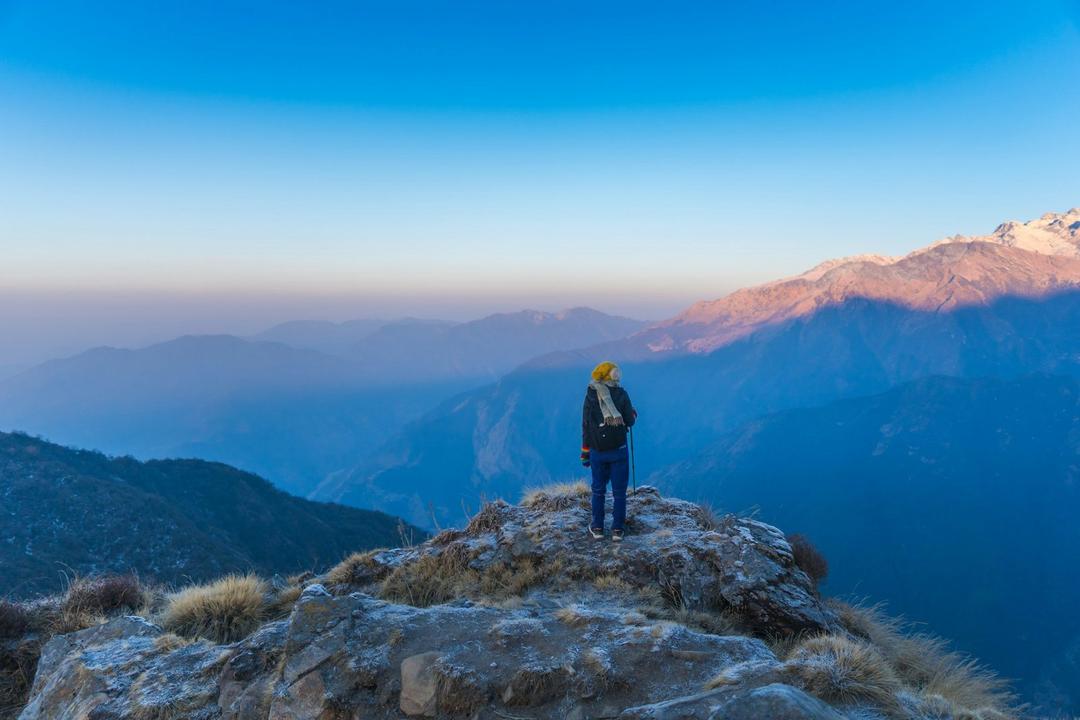
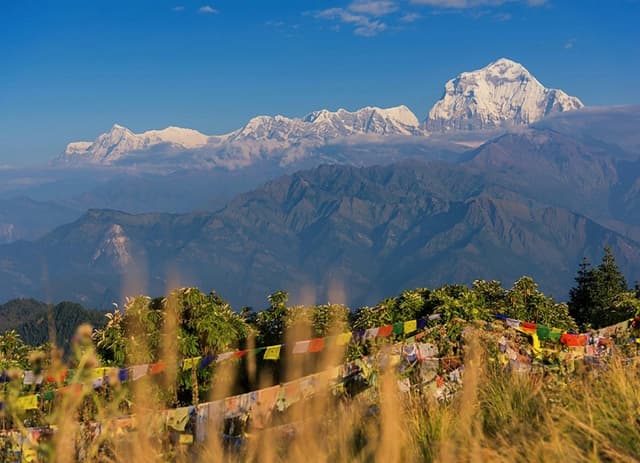
For a relaxed break, our Pokhara tours mix Phewa Lake, the sunrise view of Machhapuchhre (Fishtail) from Sarangkot at 1,595 m and the World Peace Pagoda on the hill above the lake. Want a night in the hills? Ghandruk village and the ridge at Australian Camp, both inside the Annapurna Conservation Area, make easy overnight trips, and we arrange any permit your trip needs. For more energy, add paragliding, rafting or the bungee at The Cliff, or add a trek. Autumn gives the clearest mountain views, while the monsoon brings heavy rain.
Compare the trips above, then message us on WhatsApp or send an enquiry. We will help you choose and send a quote.
Written and checked by the Uncover Nepal team, Kathmandu·Updated November 2026
Two full days in Pokhara covers the lake, the Sarangkot sunrise and the World Peace Pagoda. Add a day or two for paragliding, a village night such as Ghandruk or Australian Camp, or rest after a trek. Travel from Kathmandu comes on top: about 30 minutes by air, or most of a day by road, often six to nine hours with traffic and roadworks. Each trip card above shows its length.
Fly if time is short, or if you travel with young children or older parents: the flight takes about 30 minutes, though weather delays happen. Drive if you would rather see the river valleys on the way, and allow most of a day for about 200 km, often six to nine hours with traffic and roadworks. Our Pokhara tours come both ways, so pick the one that suits your days.
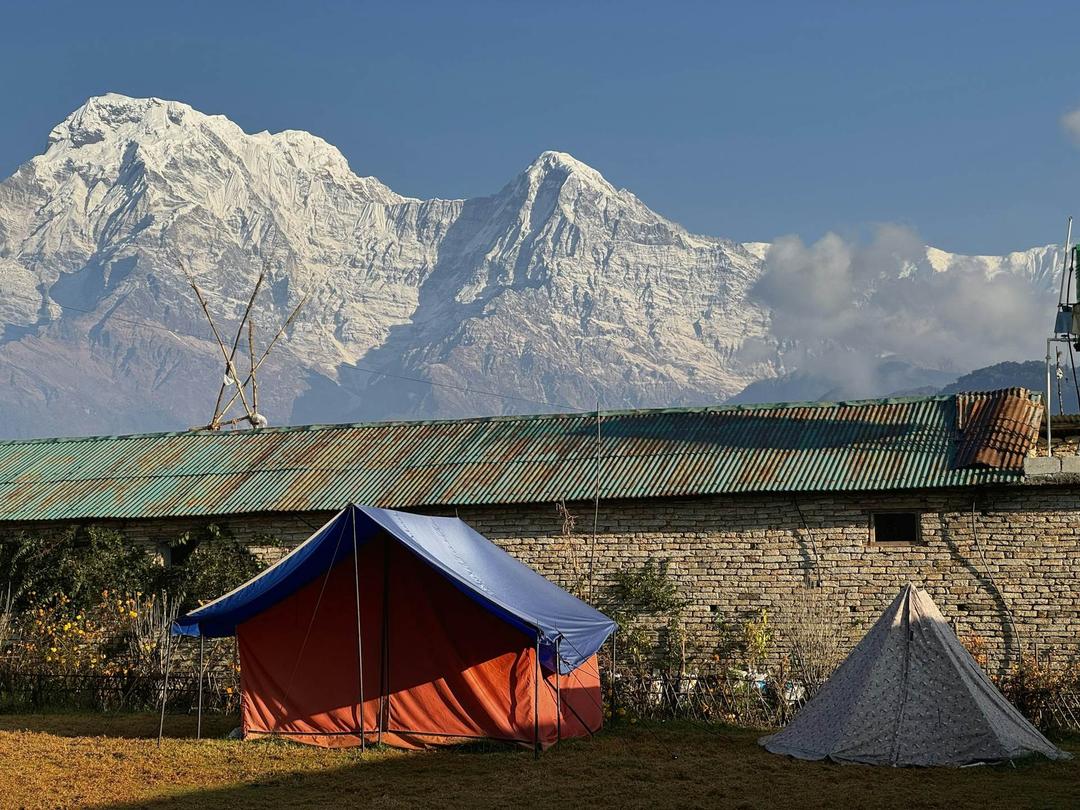
October and November give the clearest mountain views from Pokhara, because Nepal's clearest skies come just after the monsoon. Early mornings usually give the best chance in any season, which is why the Sarangkot sunrise is so popular. In the June to September monsoon, which brings about 80% of the year's rain, cloud often hides the peaks. Nobody can promise a view, and we will not.
Only if the tour goes into the Annapurna Conservation Area. Days in Pokhara city itself need no ACAP permit, though some sights sell their own entry tickets. Village and ridge tours such as Ghandruk and Australian Camp go inside the conservation area, so the ACAP permit applies: as of October 2026, the National Trust for Nature Conservation charges NPR 3,000 for foreigners and NPR 1,000 for SAARC nationals. Each trip page says whether its route needs the permit, and we arrange it.
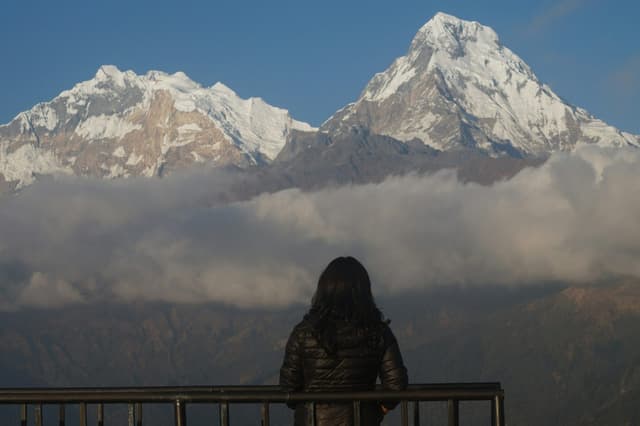
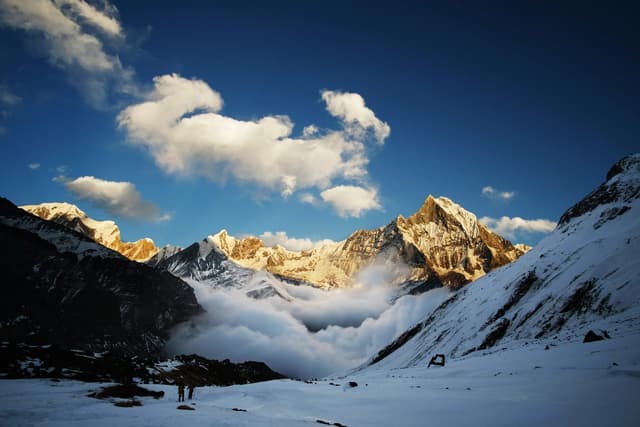
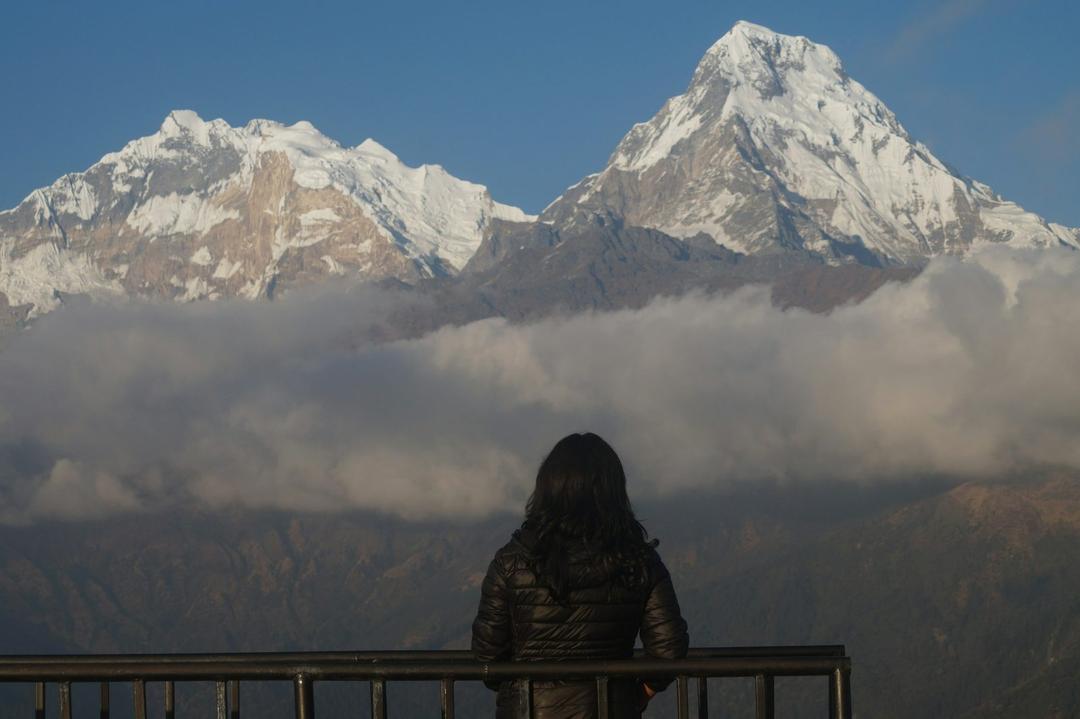
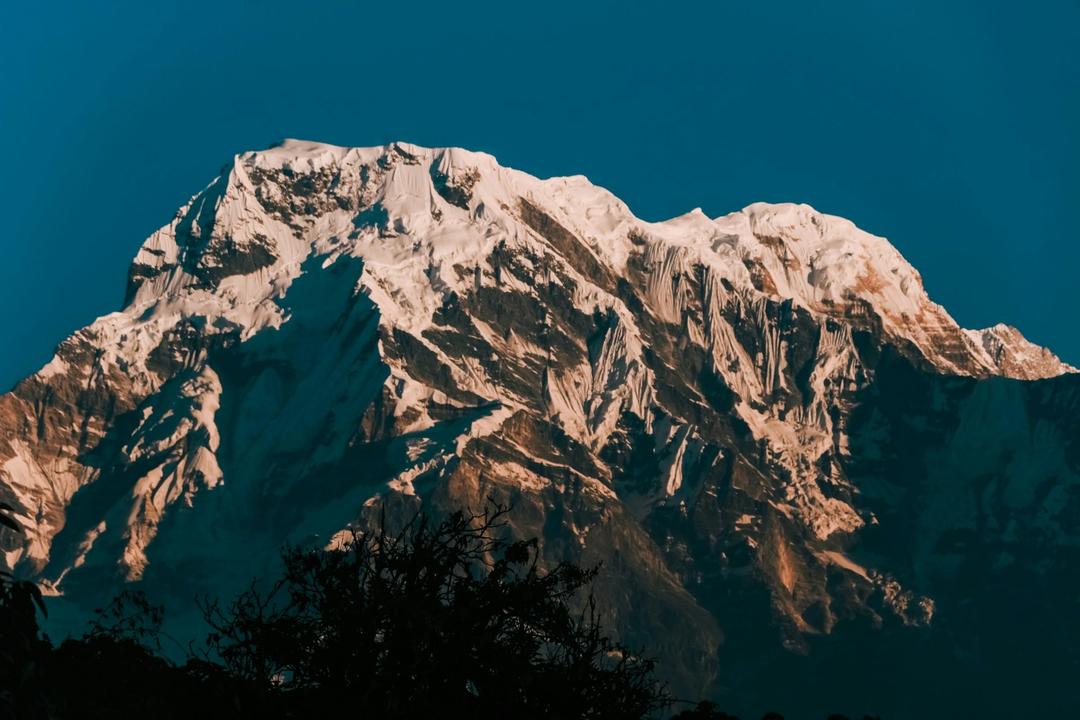
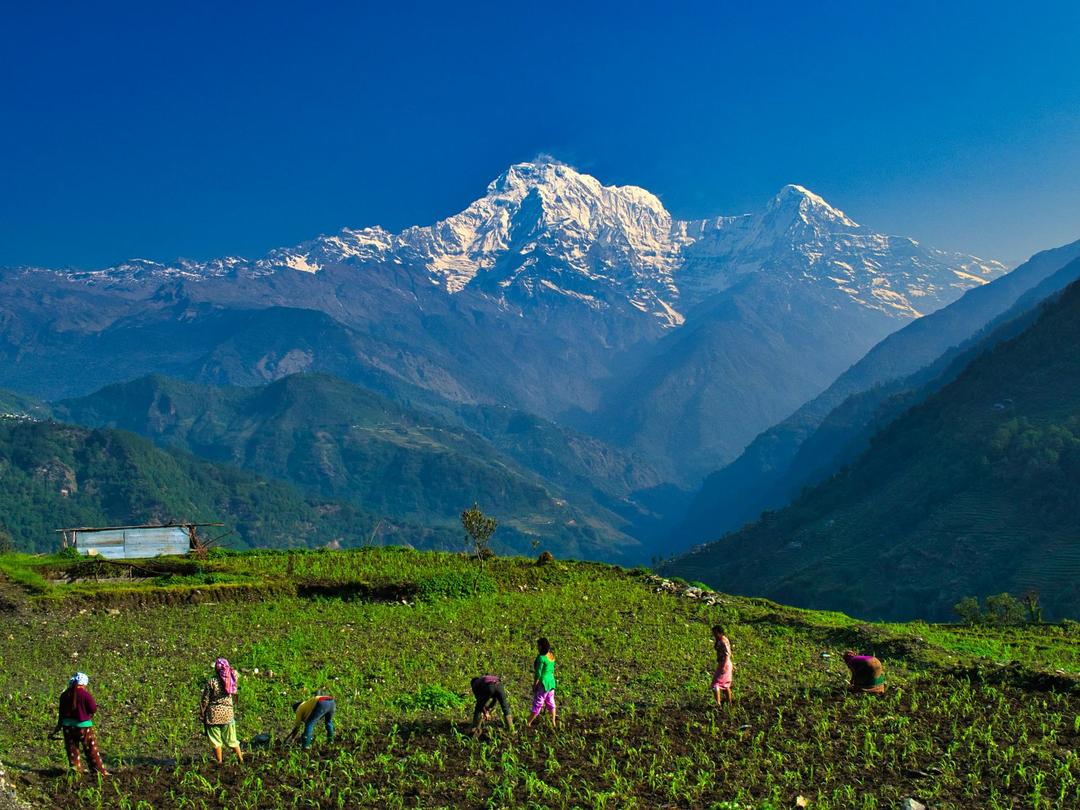
Yes, if you want big mountains close by without trekking. From Pokhara the Annapurna range rises above the lake, and the Annapurna Sanctuary lies about 40 km north as the crow flies. The city sits at about 822 m, well below the height where altitude illness becomes a risk, so it suits most travellers. On a very short trip the road is the cost; the flight from Kathmandu takes about 30 minutes.
Yes, with some planning. Across Nepal about 80% of the rain falls in the monsoon, June to September, and the Pokhara weather station averages about 3,870 mm of rain a year (1991 to 2020 normals). The peaks hide behind cloud on many days, but the lake, the World Peace Pagoda and the town still make good days out. Paragliding and some road travel can stop in bad weather, so keep your plans loose.
 by gomayu