
Introduction to the Everest Region
The Everest region is one of the most iconic places to trek in the world and it is the most well-known mountain region in Nepal. In the northeast of Nepal lies this magnificent mountain terrain with the world's tallest peak Mount Everest at 8,848.86 m. The area is also the Khumbu Region, popular among many trekkers, climbers, photographers and nature lovers, offering them an opportunity to experience its dramatic mountain scenery, rich Sherpa culture, ancient monasteries, and world-renowned trekking trails.
The Everest Region is the most adventurous area in the Himalayas for many visitors. Snow-capped mountains tower over traditional mountain villages, prayer flags flutter in the wind and centuries-old Buddhist culture is deeply entrenched in the daily life of the people. Apart from the summit of Everest itself, the area is rich in activities such as glacial valley trekking, pristine lakes, wild animals and some of the most spectacular landscapes in the Himalayas.
Where is the Everest Region?
The Everest Region is a part of Solukhumbu District in the northeast of Nepal and a large portion of Sagarmatha National Park which is a UNESCO World Heritage Site. It borders on Tibet, and is a rugged mountainous area with deep river valleys, alpine forests and glaciers.
The flights from Kathmandu to Lukla are the most scenic flights in the mountains in the world and are the usual way to begin trips in the Everest Region. Lukla is the prime entrance to the Khumbu Valley for trekkers. This is then the gateway to a network of trails that links traditional Sherpa settlements, high mountain passes, monasteries and Everest Base Camp.
The area spans highs and lows, from about 2800m in Lukla to the peak of Mount Everest itself, offering a wide variety of topography, changing as you ascend.
History and Significance of the Everest Region
While Mount Everest is a symbol of adventure and exploration worldwide, the Everest Region has long been inhabited by Sherpa communities. Sherpas are nomadic people, who came from Tibet centuries ago, and have formed a unique culture, which is mainly influenced by Tibetan Buddhism and mountain traditions.
In the early 1900s the modern history of Everest came into the world as explorers started looking for ways to ascend the world's tallest peak. The first ascent of Mount Everest by Sir Edmund Hillary and Tenzing Norgay in 1953 made this region a popular mountaineering and trekking location for the world.
The Everest Region remains one of the most significant tourist areas in Nepal today, providing economic benefits to the local population while maintaining its cultural heritage and natural environment.
Geography and Landscape of the Everest Region
Some of the most spectacular scenery in the world is found in the Everest Region. There are large peaks standing above glacier valleys, which makes it a rugged and awe-inspiring environment. The area is mostly controlled by the presence of Mount Everest, and other very high mountains over 8,000 m are also present.
Visitors can see glaciers rolling through deep valleys, alpine meadows bursting with spring flowers, a clear stream of water born from the mountain ice and rocky areas formed by thousands of years of geology.
The region's diverse geology is one of the reasons it's so popular for trekking. During one outing it can go through pine forests, suspension bridges, high altitude deserts, glacial moraines and snow covered view points.
The Mountains of the Everest Region
Mount Everest is the main attraction but the area has some of the most impressive peaks in the Himalayas.
The mountain Everest is the highest and dominates the sky. Cho Oyu, another 8,000m peak near the Tibetan border, is often climbed by mountaineers and is connected to Everest by the South Col and nearby stands Lhotse, the fourth highest mountain in the world.
The most beautiful shape is that of Ama Dablam which is considered to be the most beautiful mountain in the Himalayas. The region's spectacular mountain scenery is further enhanced by Thamserku, Nuptse, Pumori, Island Peak and Lobuche Peak.
For many visitors, these mountains are one of the highlights of their lifetime.
Sherpa Culture and Local Communities
Apart from its natural beauty, the Everest Region is also very culturally rich. The area has a large population of Sherpa people, who are known throughout the world for their excellence in mountaineering, their strength and their hospitality.
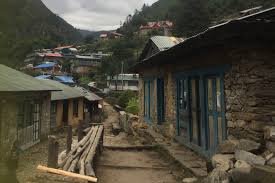
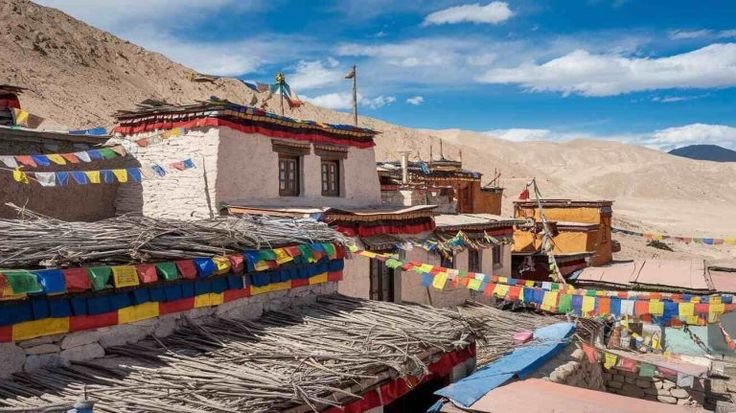
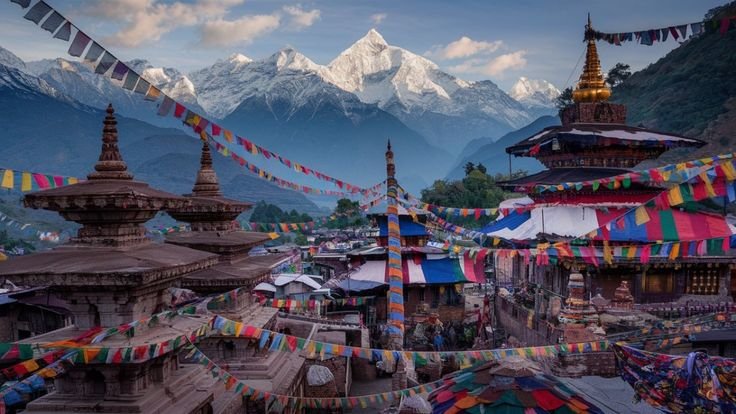
The villages of the Sherpas in Namche Bazaar, Khumjung, Pangboche and Thame are interesting glimpses into the traditional life of the Himalayas. In the area, one can see stone houses, Buddhist monasteries, prayer wheels, and colorful prayer flags.
Religion is an integral part of everyday life. Monasteries are significant places of the spirit, and festivals and ceremonies are continuing traditions handed down from generation to generation. The monks are seen conducting rituals and the local residents are seen offering their prayers at various religious sites.
One of the best parts of trekking in the Everest Region is the warm welcome received from the Sherpa communities.
Sagarmatha National Park
Much of the unique environment of the Everest Region is protected within Sagarmatha National Park that was established in 1976 and designated a UNESCO World Heritage Site in 1979. The park spans more than 1,100 square kilometres and is home to forests, alpine environments, glaciers and even the world's highest mountains.
The park supports rare species of animals like Himalayan tahr, musk deer, snow leopard, Himalayan black bear and many species of birds. Conservation is done not only to preserve nature but also the culture of local communities.
A trek into the Sagarmatha National Park is the start of an extraordinary journey through one of the world's most remarkable mountain landscapes.
Trekking Trails in the Everest Region
Trekking is definitely the most common activity in the Everest Region. A network of well-established trails offers the opportunity to explore the mountain, the villages, the monasteries and viewpoints, while enjoying local culture and hospitality in the Himalayas.
The Everest Base Camp Trek is still the most popular trekking route in the area. This trek leads one through Namche Bazaar, Tengboche, Dingboche, Lobuche and finally to Everest Base Camp itself. During the journey the trekkers have the privilege of outstanding views of Everest and surrounding peaks and they take time to acclimatize to the higher altitudes.
Everest View Trek is an alternative trek for people with limited time. This walk offers great mountain views without the need to reach high altitudes.
The Gokyo Lakes Trek takes you to a series of turquoise glacial lakes, and presents some of the most beautiful scenery in the Himalayas. The Three Passes Trek has been dubbed the ultimate adventure on the Everest, crossing three high mountain passes and the most remote landscapes.
Everest Base Camp
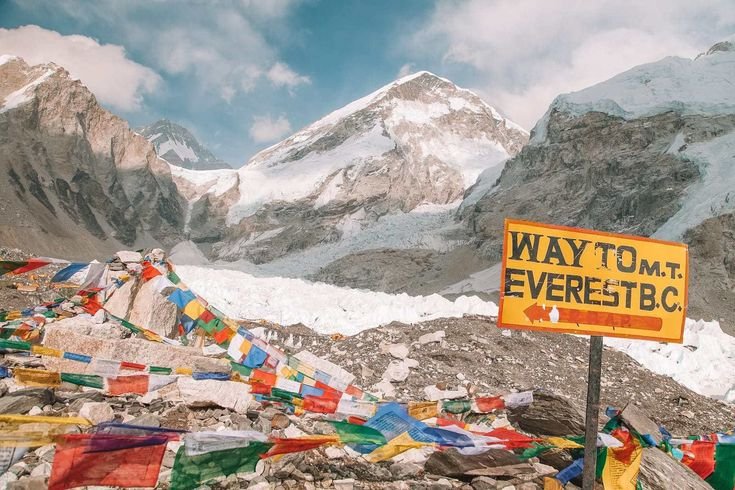
One of the most popular trekking areas in the world is Everest base camp. It lies at an elevation of 5,364 m and is the base camp for people who try to climb Mount Everest.
The camp is relatively simple outside of climbing season, but getting there is a big accomplishment for trekkers. The route provides continuous views of the peaks of the Himalayas, and the chance to experience Sherpa culture and to become connected with the history of mountaineering.
The visit to Everest Base Camp lets one see the vast and mighty Khumbu Glacier and the surrounding mountains in awe.
Kala Patthar: The Best Everest Viewpoint
Everest Base Camp is the main destination of the trek, but Kala Patthar is also a great place to look at. The rocky viewpoint is located at the height of 5545 m and provides a panoramic view of the surrounding mountains and valleys, including the peak of Mount Everest, Nuptse, Pumori, and the surrounding peaks.
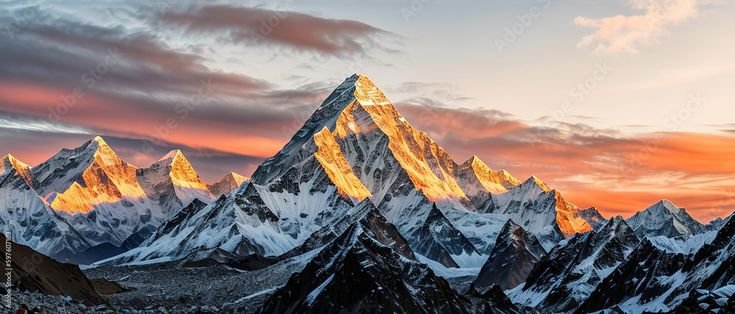
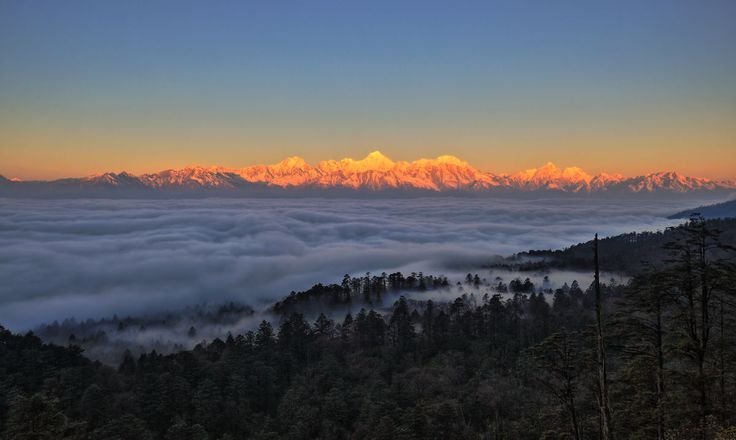
The majority of trekkers to Kala Patthar do their trek before the sunrise so that the sun's first rays can light up the summit of Everest. The golden morning light and snow covered mountains make one of the iconic scene in Nepal.
Kala Patthar is a very special place in the entire trip to Everest for photographers and mountain lovers.
Best Time to Visit the Everest Region
The Everest Region is open all year round, but each season has its own unique experiences.
The spring season (March - May) is one of the most popular times to visit. Preliminary weather is fairly mild, rhododendron forests flourish at lower levels, and climbing parties congregate at Everest Base Camp.
September to November is the best trekking season. After the rainy season the weather is usually sunny, and the mountains are in view.
It is colder in the winter, but it is quieter as well. Often the mountains look particularly dramatic when they stand out against a clear blue sky.
During the monsoon season (June-August), it rains and clouds frequently making trekking more difficult. But the land becomes verdant and green and the paths are less noisy.
Accommodation and Food
Trekkers staying in the Everest Region will find their accommodation mostly in the teahouses of the area, which is an accommodation for who can stay over night as well as eat at them. These include simple rooms in isolated villages to comfortable lodges in more settled areas with modern facilities.
There have been a lot more options to choose from in the food world over the years. You can try the dal bhat, soups, noodles, fried rice, pasta, pancakes, potatoes, bread and other hot beverages too in addition to the Nepali dishes.
After about a day or two, the dining room can become the hub of social activity for a teahouse, where hordes of people sit around cozy stoves and exchange tales from the trail.